

0
Items
$0.00
Dark Mode
 Blogs
Blogs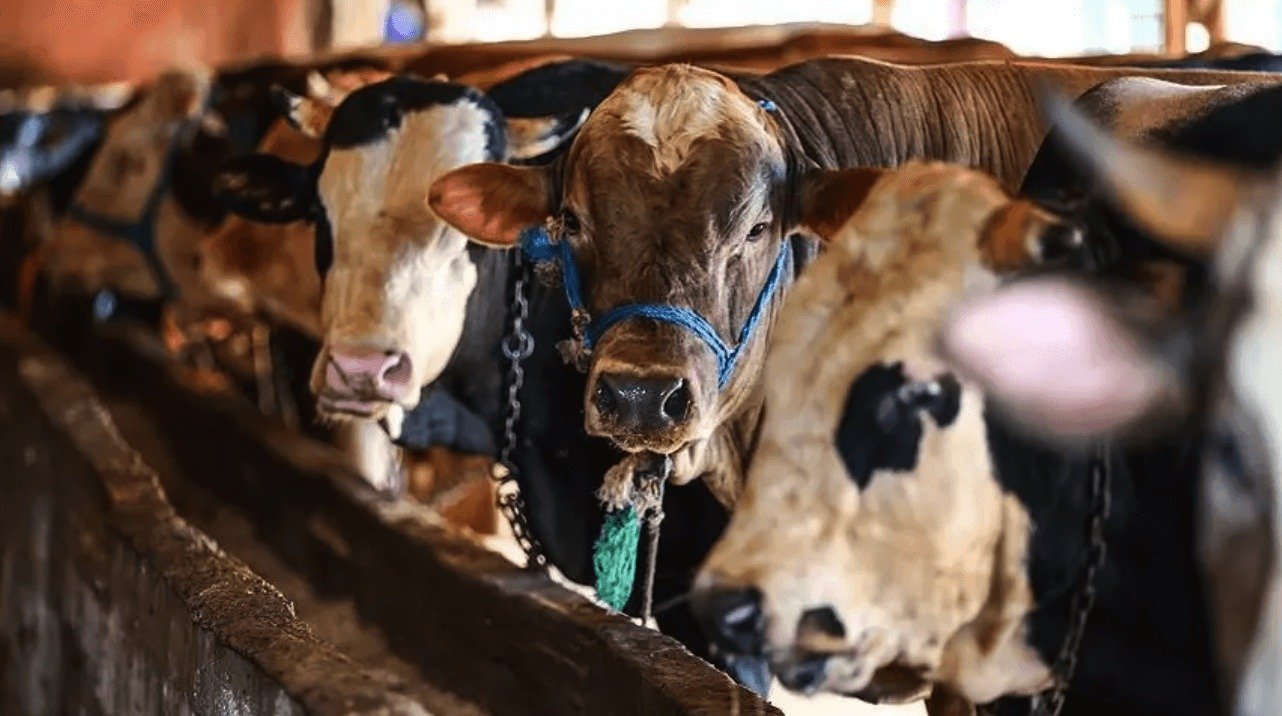
Almost 3,000 cattle from Uruguay have finally been unloaded in Libya’s port of Benghazi after being stranded at sea for nearly two months — a situation that sparked international outrage from animal welfare groups.
The animals were aboard the livestock ship Spiridon II, which left Montevideo in mid-September bound for Turkey. However, Turkish authorities refused the ship entry in October, citing inconsistencies in the cattle’s health certificates. With no port to dock at, the vessel remained adrift while a dispute unfolded between the exporter and the buyer.
Uruguay’s government confirmed that the cattle were eventually disembarked safely in Libya, but animal welfare organizations have raised serious concerns. The Animal Welfare Foundation claims that dozens of animals may have died during the ordeal, and has called for a full investigation — including fears that deceased animals may have been thrown overboard.
The exporting company, Ganosan, denied responsibility, blaming the Turkish buyer for the breakdown in the agreement.
This incident has reignited global debate about the risks and ethics of long-distance live animal transport, especially by sea. Uruguay, one of the world’s major beef exporters, has nearly four times more cattle than people — making this case especially sensitive both economically and politically.
Did you like this article?
Did you like this article?
Family, friends, and fans gathered at St. Patrick’s Cathedral in Manhattan to honor the life of Willie Colón, the legendary New York artist widely regarded as one of the architects of modern salsa music. Colón passed away last month at the age of 75. Born in the South...
This past weekend’s Ontario Futsal Cup at 360 Soccer Centre in Vaughan brought together some of the province’s top futsal talent. While the competition was intense on the court, play was unfortunately suspended on Saturday due to moisture on the playing surface,...
J Balvin is bringing a new sound to a rock classic ahead of the 2026 FIFA World Cup. The global superstar has teamed up with Coca-Cola to release a reimagined version of Jump, the iconic 1980s hit originally performed by Van Halen. Known for its instantly recognizable...
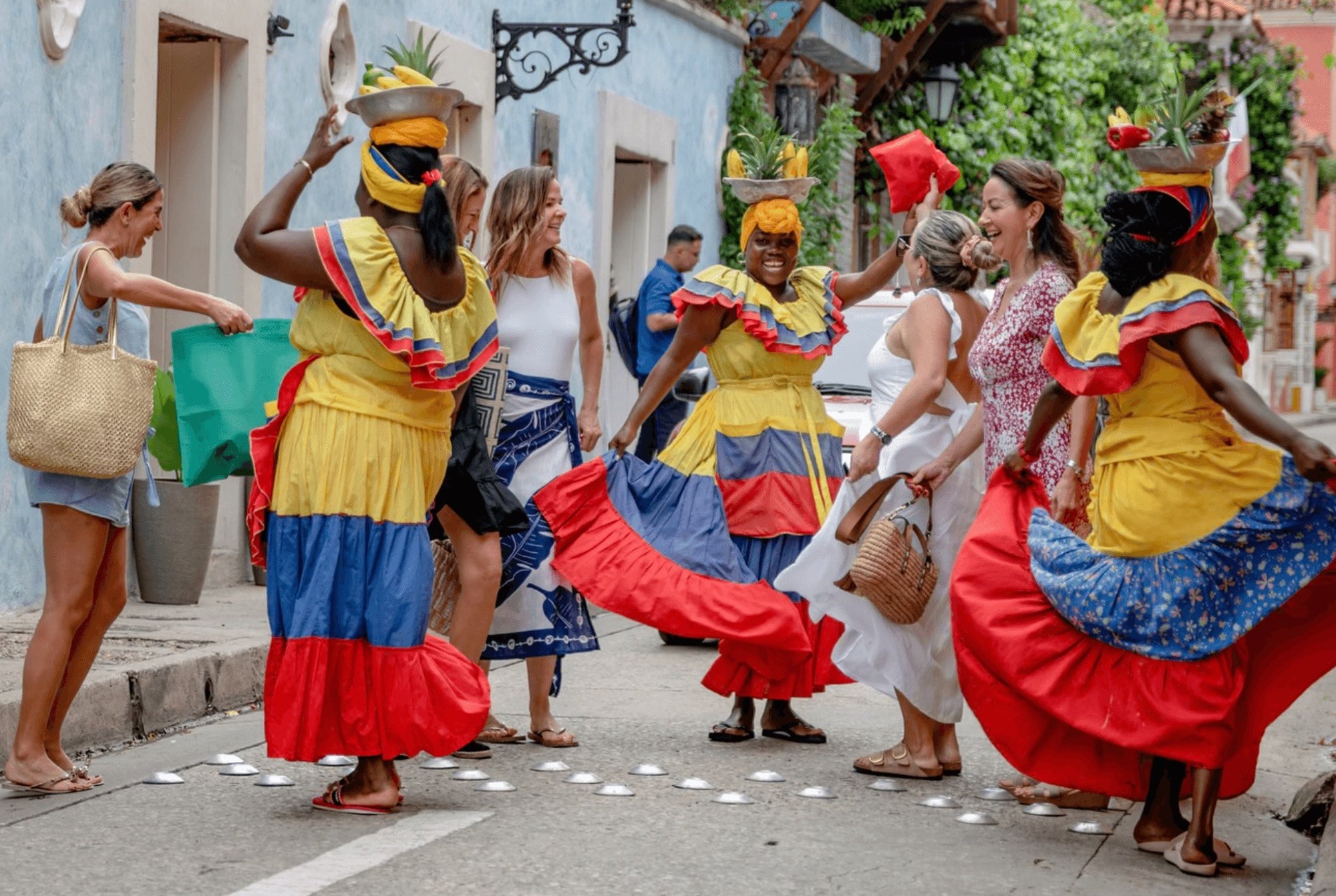
Walking through the streets of Cartagena, one of the most recognizable sights is the palenqueras — Black women dressed in vibrant dresses and head wraps, carrying bowls of fruit and sweets on their...

Inter Miami CF visited the White House on March 5 to celebrate their 2025 MLS Cup championship, continuing the long-standing tradition of U.S. sports champions being honored by the president. The...
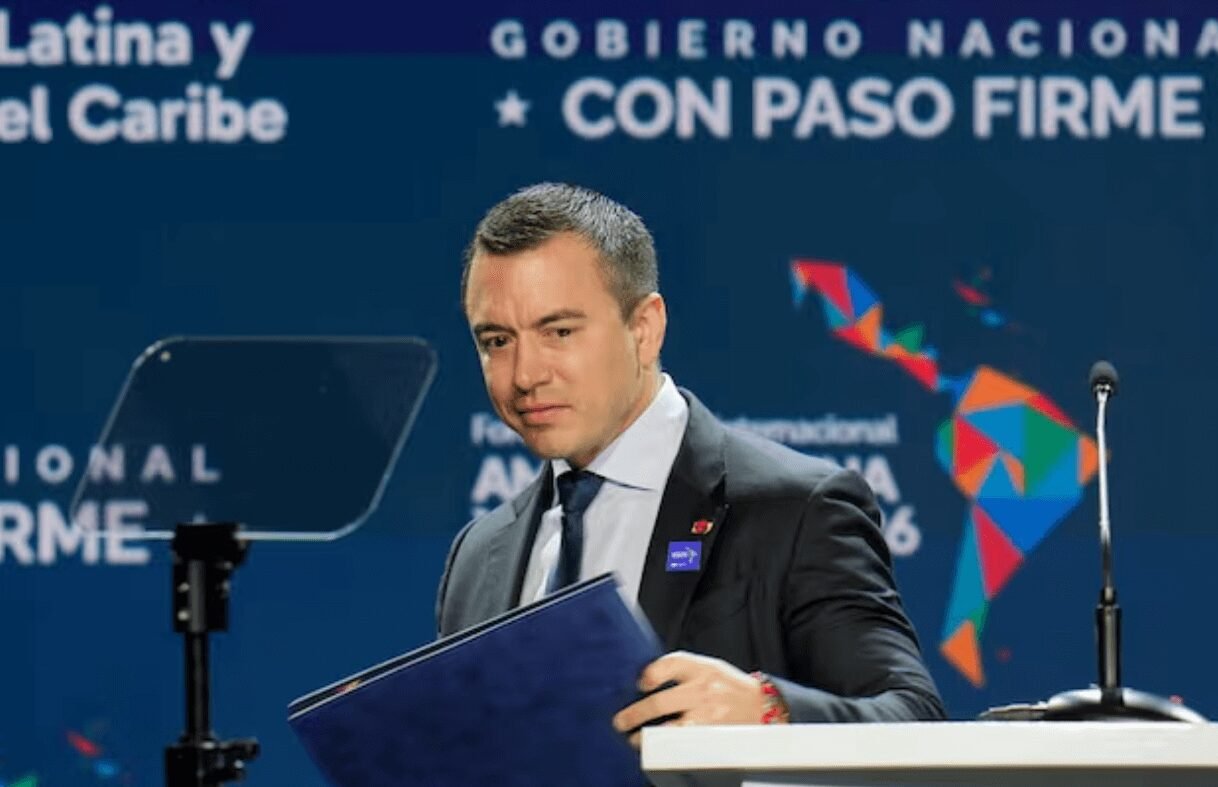
Daniel Noboa has announced a new phase in the country’s fight against drug trafficking, confirming that Ecuador will conduct joint security operations with the United States. The initiative comes as...

0 Comments