0
Items
$0.00

Dark Mode
 Blogs
Blogs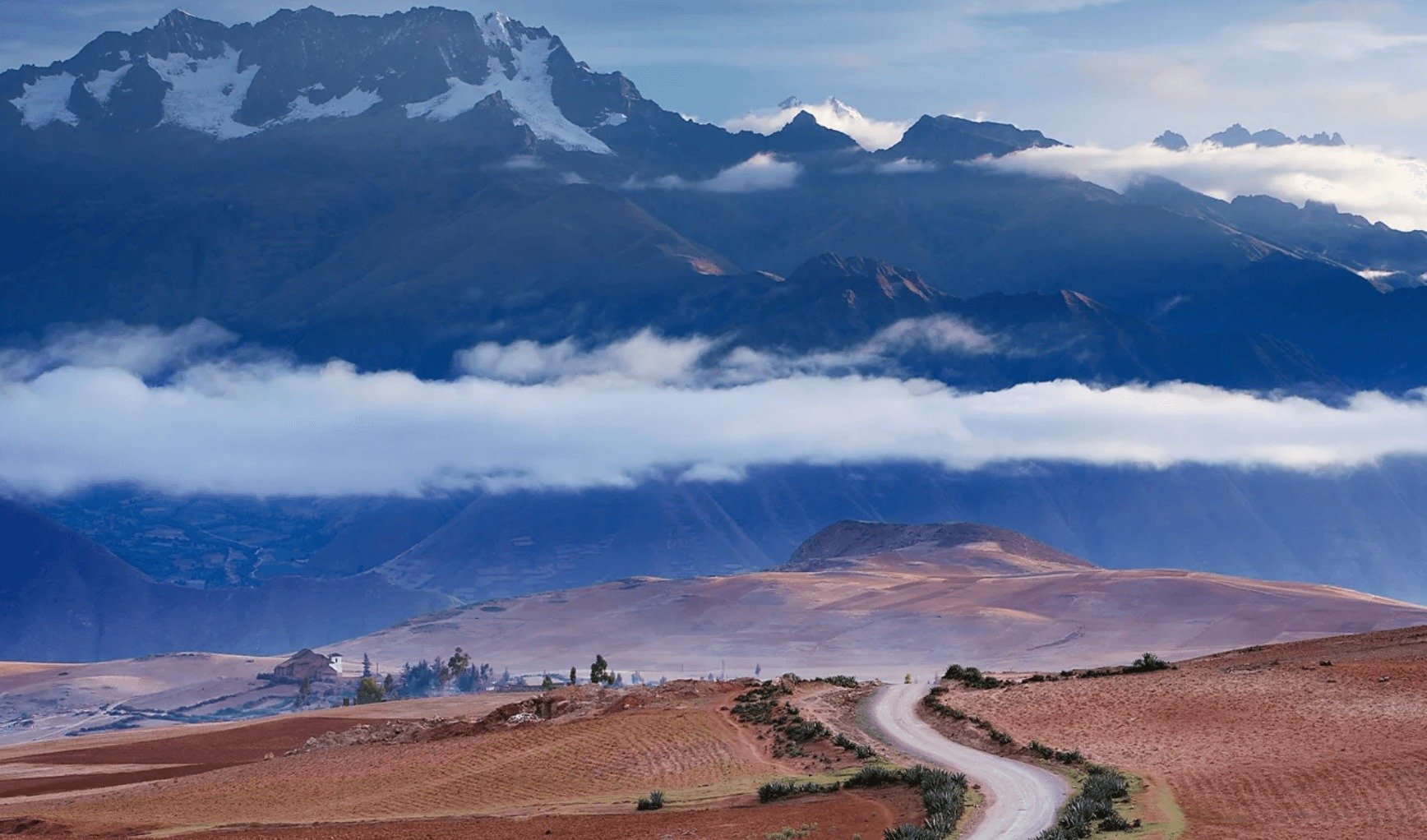
For centuries, reaching Machu Picchu has required effort. The Incas intentionally built the citadel high in the Andes, hidden in cloud forest and mountains, making access part of the experience. Today, most travelers fly into Lima, connect through Cusco, and journey through the Sacred Valley before finally ascending to the ancient site.
That could soon change.
The long-delayed Chinchero International Airport, under construction in Peru’s Sacred Valley, is expected to dramatically reduce travel time. Designed to handle up to eight million passengers annually, officials estimate it could increase visitor numbers to Machu Picchu by as much as 200%.
Supporters argue the project will boost economic growth in a region heavily dependent on tourism, creating jobs and expanding opportunities. But critics — including Indigenous communities, conservationists, archaeologists, and local guides — warn of irreversible cultural and environmental damage.
The Sacred Valley is not just a tourist corridor; it is the historic heart of the Incan Empire. Terraced farmland, ancient irrigation systems, and sites like the Salt Mines of Maras have functioned for centuries. Locals fear that airport-driven development will replace farmland with hotels, strain water supplies, overwhelm waste systems, and further crowd already stretched infrastructure.
For many residents, the question isn’t just about access — it’s about balance. As Peru prepares for a potential tourism boom, the challenge will be protecting the cultural and environmental legacy that makes Machu Picchu extraordinary in the first place.
Did you like this article?
Did you like this article?
Toronto is officially ready for the world stage. Major upgrades to BMO Field at Exhibition Place have now been completed ahead of the FIFA World Cup 2026, where the venue will temporarily be known as Toronto Stadium. Delivered through a partnership between the City of...
There’s no easing up when it comes to Lionel Messi — and that’s big news for Toronto. According to Javier Mascherano, resting Messi isn’t part of the plan heading into the 2026 World Cup. The focus is simple: keep him playing, keep him sharp, and manage him in real...
The 2026 World Happiness Report is out, and while Nordic countries continue to dominate, there’s a major moment for Latin America. For the first time ever, Costa Rica has cracked the top five, landing at No. 4 and confirming its rise as one of the happiest places in...
The 2026 World Happiness Report is out, and while Nordic countries continue to dominate, there’s a major moment for Latin America. For the first time ever, Costa Rica has cracked the top five,...
There’s a growing story coming out of Nicaragua — and it’s raising serious global concern. The country is now exporting over 11,000 exotic animals per month, a massive spike compared to previous...
China has dispatched a major shipment of 60,000 tons of rice to Cuba, reinforcing its ongoing support for the island as it faces economic pressure and food shortages. The shipment, announced by the...


0 Comments