

0
Items
$0.00
Dark Mode
 Blogs
Blogs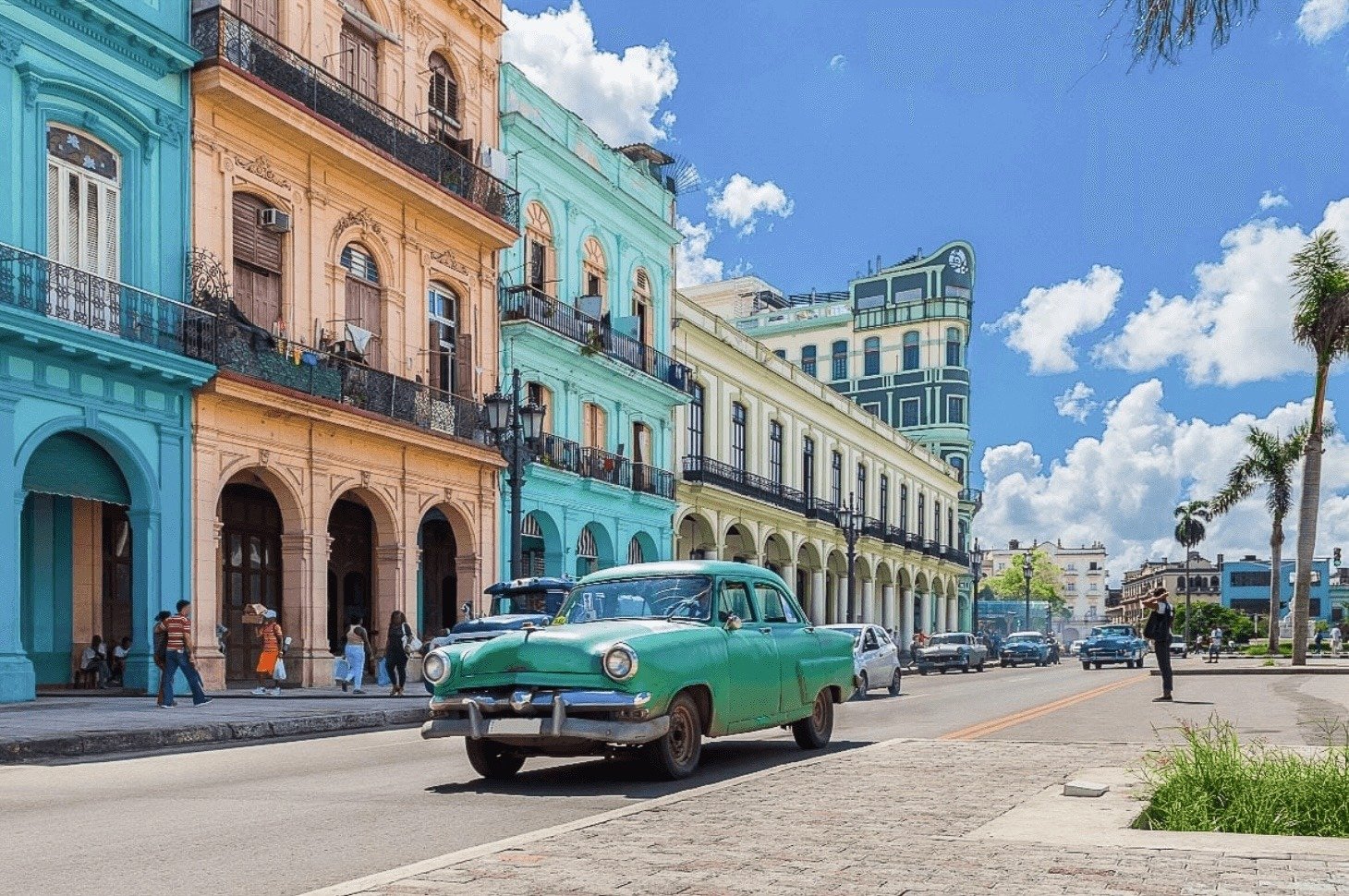
Diplomats based in Havana are voicing growing concern over Washington’s escalating pressure campaign against Cuba, even as they quietly prepare contingency plans in case conditions worsen. In the leafy Siboney district, officials from countries traditionally aligned with the United States say frustration is mounting over what they describe as a lack of clarity from U.S. representatives about what would follow any potential collapse of Cuba’s government.
Cuba is already facing a severe crisis. Years of economic decline, hyperinflation, and the emigration of nearly one-fifth of its population have left the country deeply weakened. After U.S. action against Venezuela earlier this year, Washington has intensified efforts that critics say amount to pursuing regime change in Havana, primarily by restricting oil supplies.
Fuel shortages are now compounding humanitarian concerns. The lack of oil is disrupting electricity, water, transportation, and food distribution, while also hampering relief efforts by the UN World Food Programme. Airlines from Canada and Russia have suspended flights due to aviation fuel shortages, dealing a blow to tourism — a vital source of foreign currency.
Inside Cuba, universities and public offices have closed, transportation has been reduced, and citizens are bracing for further hardship. Diplomats fear urban centers could face acute suffering within weeks, prompting some embassies to consider scaling back operations if the crisis deepens.
Did you like this article?
Did you like this article?
This past weekend’s Ontario Futsal Cup at 360 Soccer Centre in Vaughan brought together some of the province’s top futsal talent. While the competition was intense on the court, play was unfortunately suspended on Saturday due to moisture on the playing surface,...
J Balvin is bringing a new sound to a rock classic ahead of the 2026 FIFA World Cup. The global superstar has teamed up with Coca-Cola to release a reimagined version of Jump, the iconic 1980s hit originally performed by Van Halen. Known for its instantly recognizable...
New York City is getting ready to crown its own Benito. On March 14 at 2 p.m., a Bad Bunny lookalike contest will take place at 7th Street Burger in the Bronx. The event is being organized in partnership with Bronx Native and promises a lively celebration of one of...
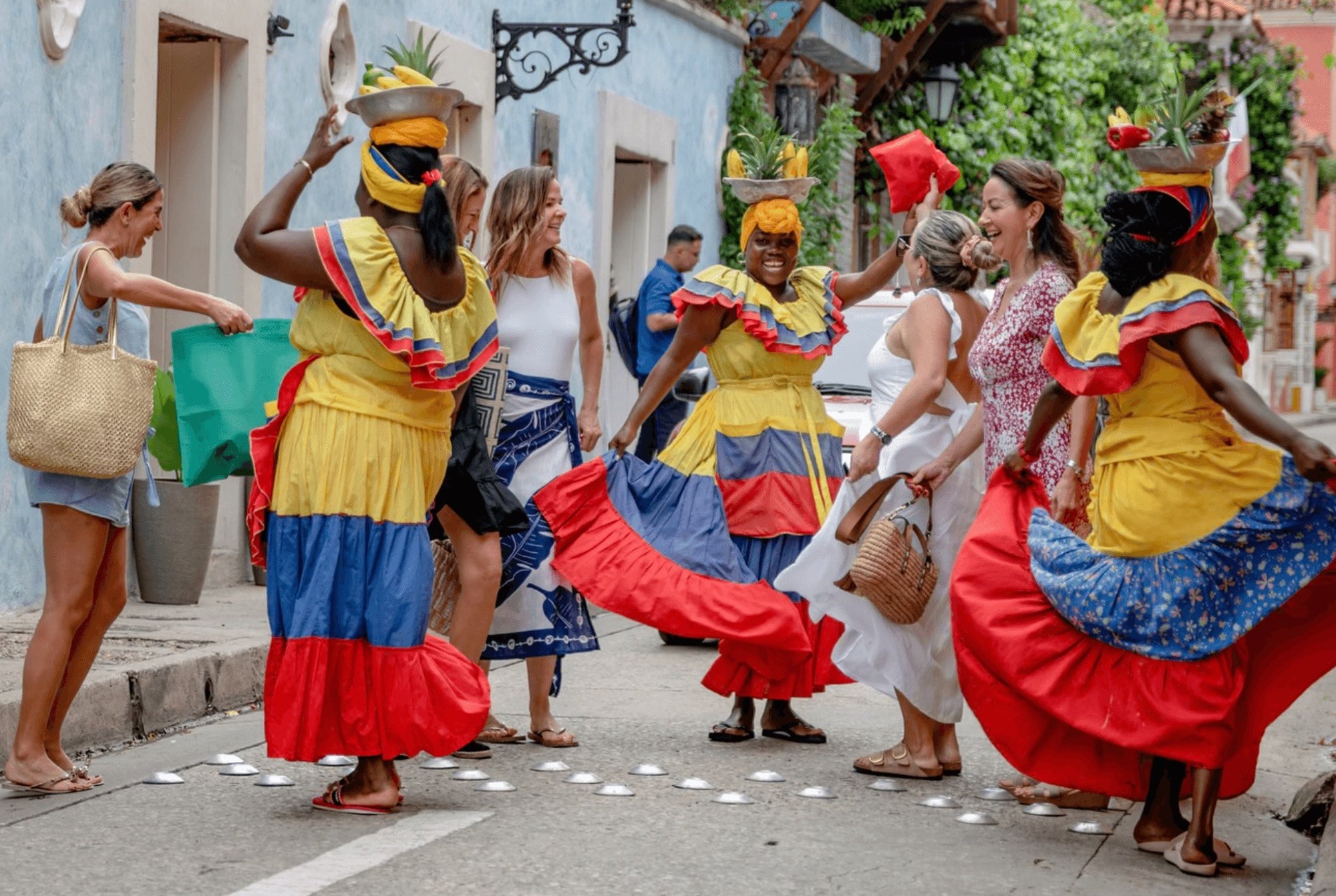
Walking through the streets of Cartagena, one of the most recognizable sights is the palenqueras — Black women dressed in vibrant dresses and head wraps, carrying bowls of fruit and sweets on their...
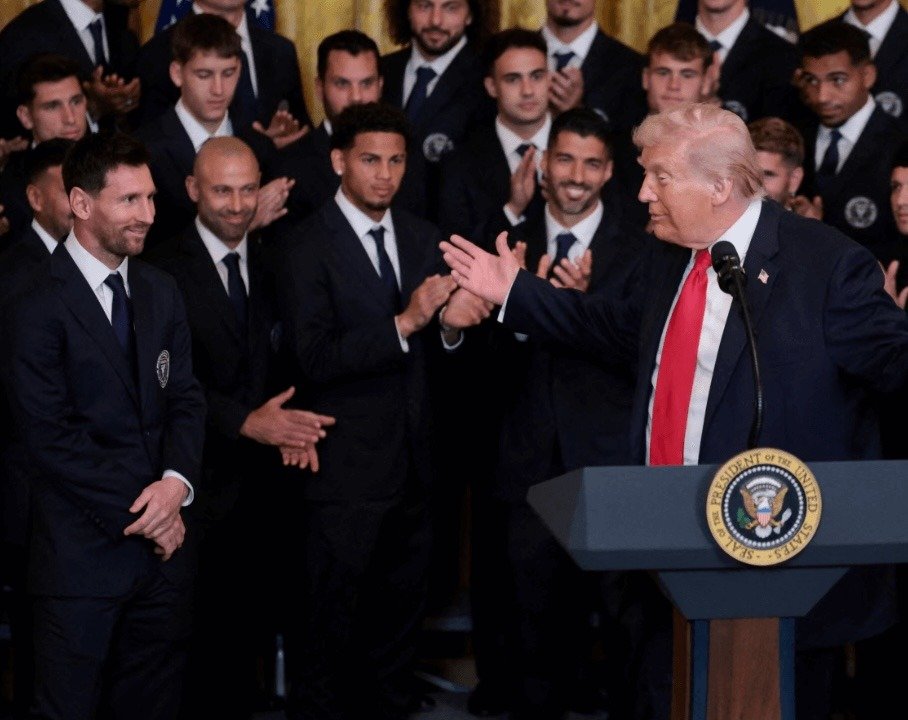
Inter Miami CF visited the White House on March 5 to celebrate their 2025 MLS Cup championship, continuing the long-standing tradition of U.S. sports champions being honored by the president. The...
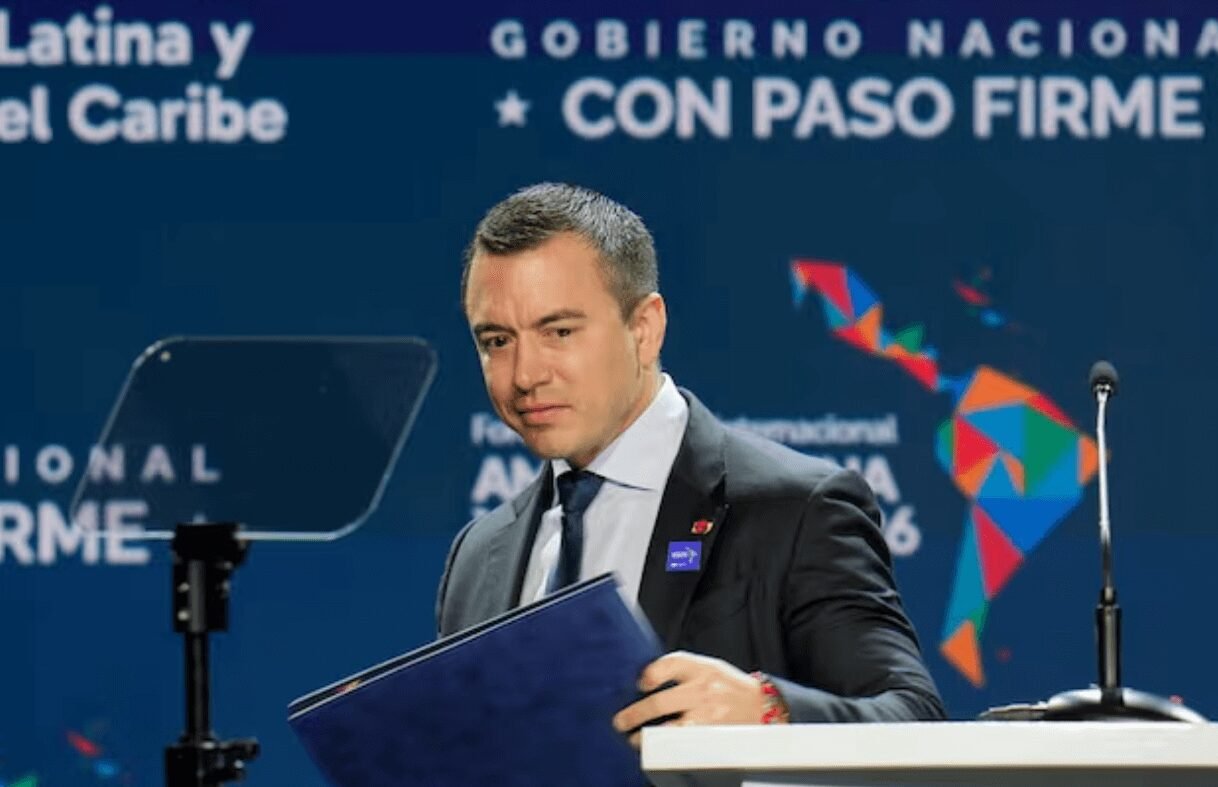
Daniel Noboa has announced a new phase in the country’s fight against drug trafficking, confirming that Ecuador will conduct joint security operations with the United States. The initiative comes as...

0 Comments