0
Items
$0.00

Dark Mode
 Blogs
Blogs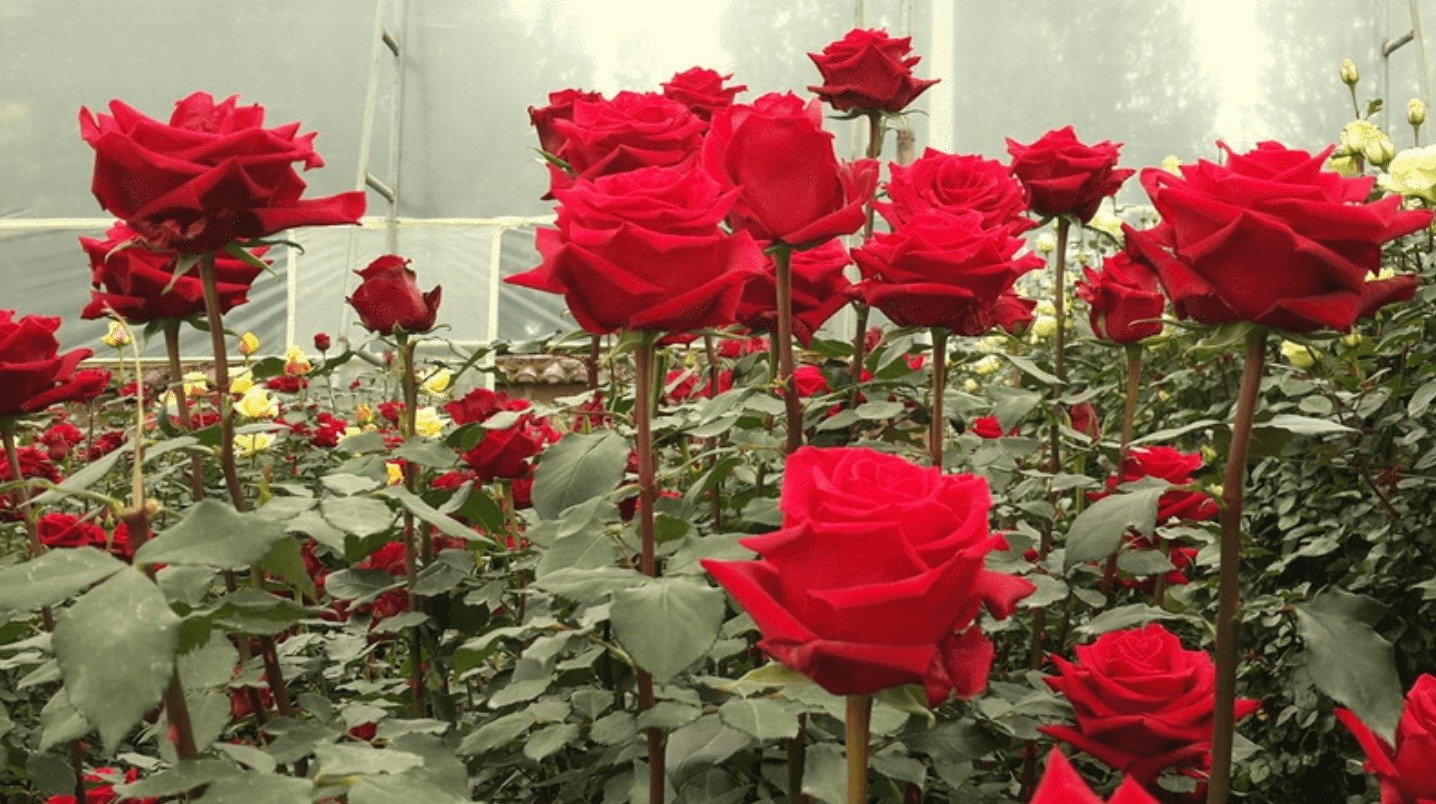
High in the Andean valley of Cayambe, near La Chimba, Ecuador’s rose industry is flourishing — at a price. Once primarily dairy farmers, Patricia Catucuamba and her husband, Milton Navas, turned to rose cultivation five years ago. Like many smallholders, they say diversification isn’t optional — it’s survival. Roses require less land and generate higher returns than milk, making them an attractive alternative.
Today, Ecuador is the world’s third-largest flower exporter, selling more than two billion stems annually, with roses accounting for two-thirds of production. The region’s high altitude, volcanic soil, and intense sunlight create long stems and large blooms prized in global markets.
But critics warn that beneath the industry’s economic success lies a troubling reality. Intensive pesticide use — often with limited oversight — has been linked to serious health concerns among workers and nearby communities, including respiratory illness, skin conditions, neurological impacts, and higher depression rates. Studies have found dozens of chemical residues on exported bouquets, some banned in Europe.
For farmers like Catucuamba and Navas, the struggle isn’t just chemicals — it’s water. Irrigation cuts threaten small growers while large plantations continue drawing heavily from shrinking canals.
In Cayambe, the roses may be flawless — but the system around them is far more fragile.
Did you like this article?
Did you like this article?
Team USA survived a tense battle against the powerful Dominican Republic national baseball team, winning 2–1 in the semifinals of the World Baseball Classic to advance to the championship game. The game’s decisive moment came in the fourth inning when Gunnar Henderson...
Feid is taking the next step in his career, officially launching his own record label, Grabaciones Los Poderosos, Billboard has confirmed. The new label will operate under a distribution partnership with Universal Music Latin Entertainment. Through the venture, Feid...
The highly anticipated Finalissima 2026 between Spain national football team and Argentina national football team has officially been cancelled, according to UEFA. The match, scheduled for March 27 in Doha, Qatar, was meant to bring together the winners of UEFA Euro...

Venezuela national baseball team delivered one of the biggest moments of the World Baseball Classic, defeating reigning champion Japan national baseball team 8–5 in a thrilling quarterfinal matchup...
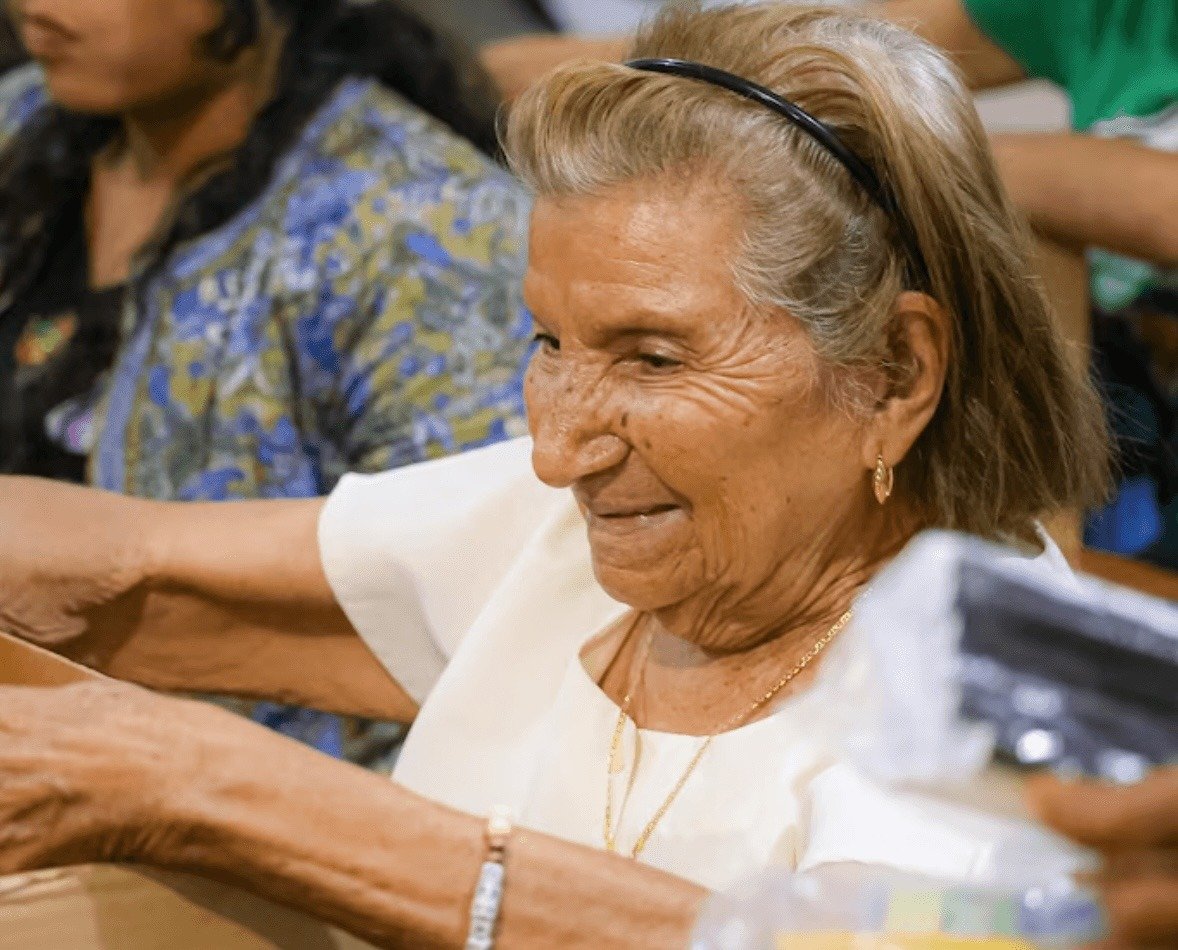
For Catalina Mendoza, age is no barrier to learning. At 91 years old, she has enrolled in school for the very first time, beginning first grade in El Salvador as part of a national education...

Miguel Díaz-Canel confirmed that Cuba is currently holding talks with the United States over potential solutions to the long-standing tensions between the two countries. The announcement signals...


0 Comments