0
Items
$0.00

Dark Mode
 Blogs
Blogs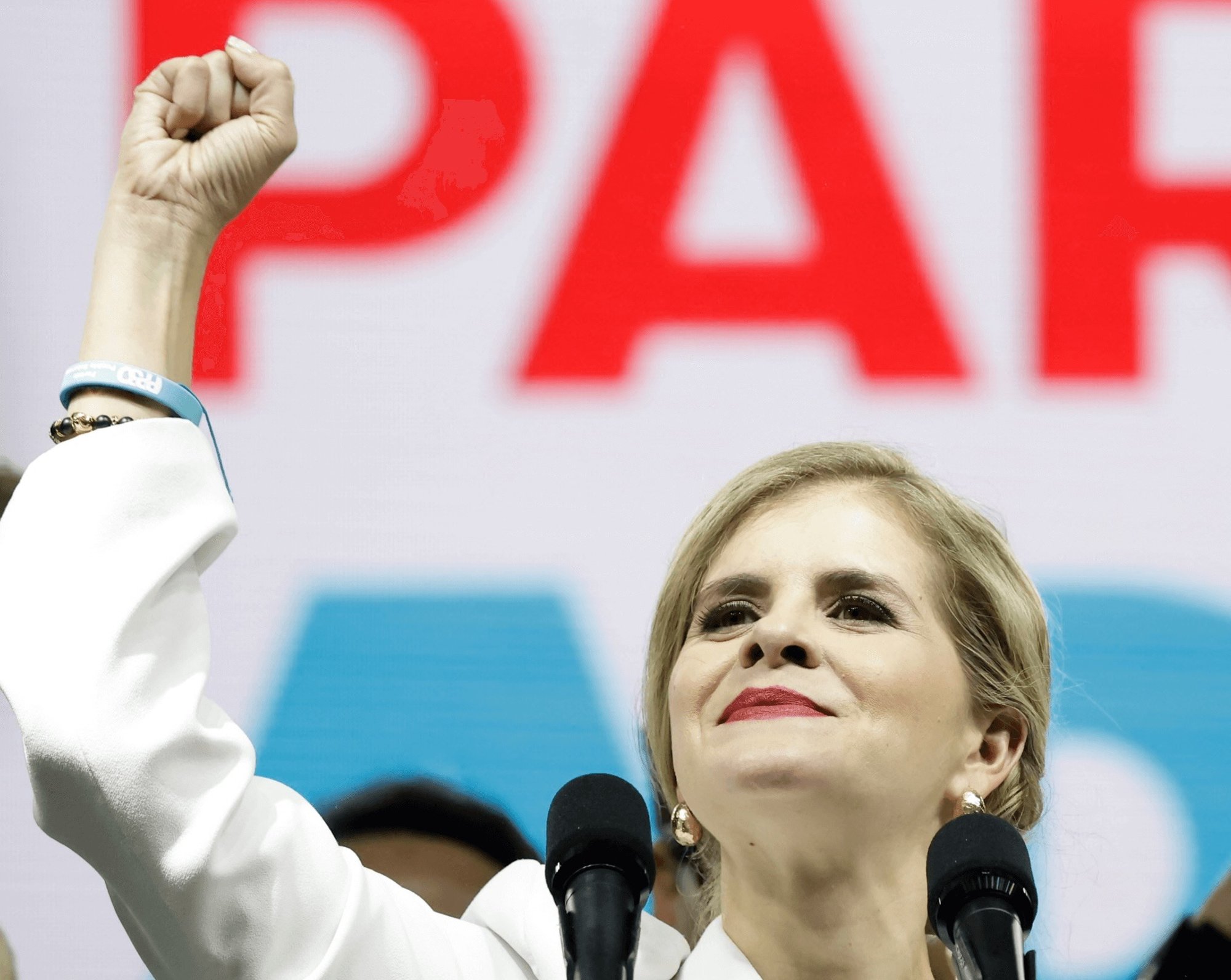
Costa Rica has elected Laura Fernández as its new president in a decisive first-round victory, with voters backing her pledge to confront rising violence linked to drug trafficking.
With 94% of polling stations counted, Fernández secured 48.3% of the vote, well above the 40% threshold needed to avoid a runoff, according to the Supreme Electoral Tribunal. Her closest rival, Álvaro Ramos, conceded defeat after receiving 33.4%.
A political ally of outgoing president Rodrigo Chaves, Fernández ran on a platform focused on security, economic growth, and continuity. Supporters celebrated across the country as early results came in, waving Costa Rican flags and praising the current administration’s direction.
Long known for political stability, Costa Rica has faced mounting pressure from organized crime in recent years as drug-trafficking routes shifted through the country. Turf wars tied to international cartels have driven homicide rates sharply higher, turning public safety into the dominant election issue.
Fernández has pointed to Nayib Bukele as an inspiration for tougher security policies. She has proposed stricter sentencing, expanded policing in high-risk areas, and the completion of a new maximum-security prison.
While many voters supported her promise of a firm response to crime, critics have voiced concerns about potential overreach and the long-term health of Costa Rica’s democratic institutions. Fernández has said she remains committed to the country’s democratic traditions and rule of law.
Former president and Nobel Peace Prize laureate Óscar Arias cautioned that constitutional safeguards must be preserved, reflecting broader regional debates about balancing security and civil liberties.
Fernández’s victory comes amid broader political shifts across Latin America, where public frustration over crime and corruption has reshaped electoral outcomes in several countries. Her administration will now face the challenge of addressing security concerns while maintaining Costa Rica’s long-standing reputation for stability and democratic governance.
As legislative elections were also held, attention now turns to how the new president will work with the National Assembly to implement her agenda in the years ahead.
Did you like this article?
Did you like this article?
Team USA survived a tense battle against the powerful Dominican Republic national baseball team, winning 2–1 in the semifinals of the World Baseball Classic to advance to the championship game. The game’s decisive moment came in the fourth inning when Gunnar Henderson...
Feid is taking the next step in his career, officially launching his own record label, Grabaciones Los Poderosos, Billboard has confirmed. The new label will operate under a distribution partnership with Universal Music Latin Entertainment. Through the venture, Feid...
The highly anticipated Finalissima 2026 between Spain national football team and Argentina national football team has officially been cancelled, according to UEFA. The match, scheduled for March 27 in Doha, Qatar, was meant to bring together the winners of UEFA Euro...

Venezuela national baseball team delivered one of the biggest moments of the World Baseball Classic, defeating reigning champion Japan national baseball team 8–5 in a thrilling quarterfinal matchup...
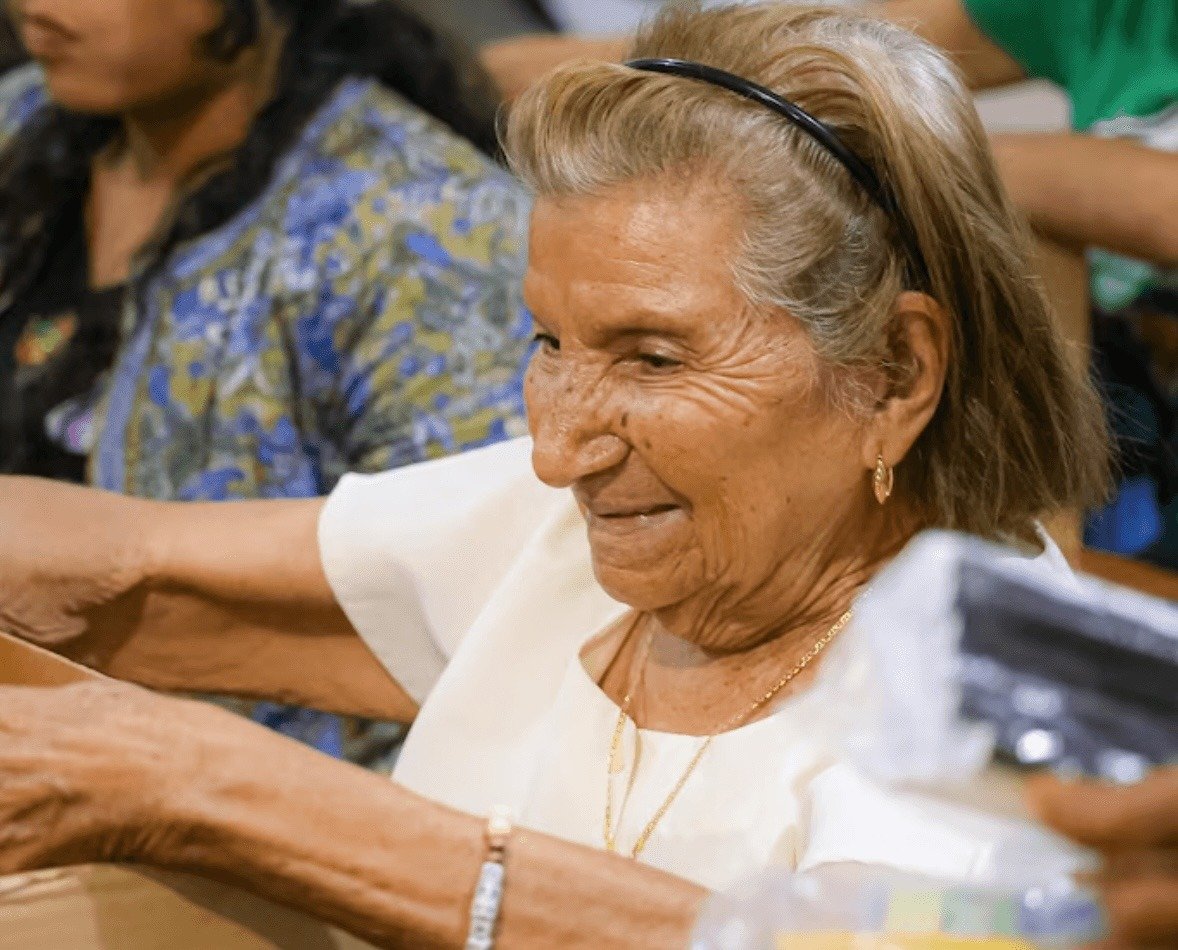
For Catalina Mendoza, age is no barrier to learning. At 91 years old, she has enrolled in school for the very first time, beginning first grade in El Salvador as part of a national education...
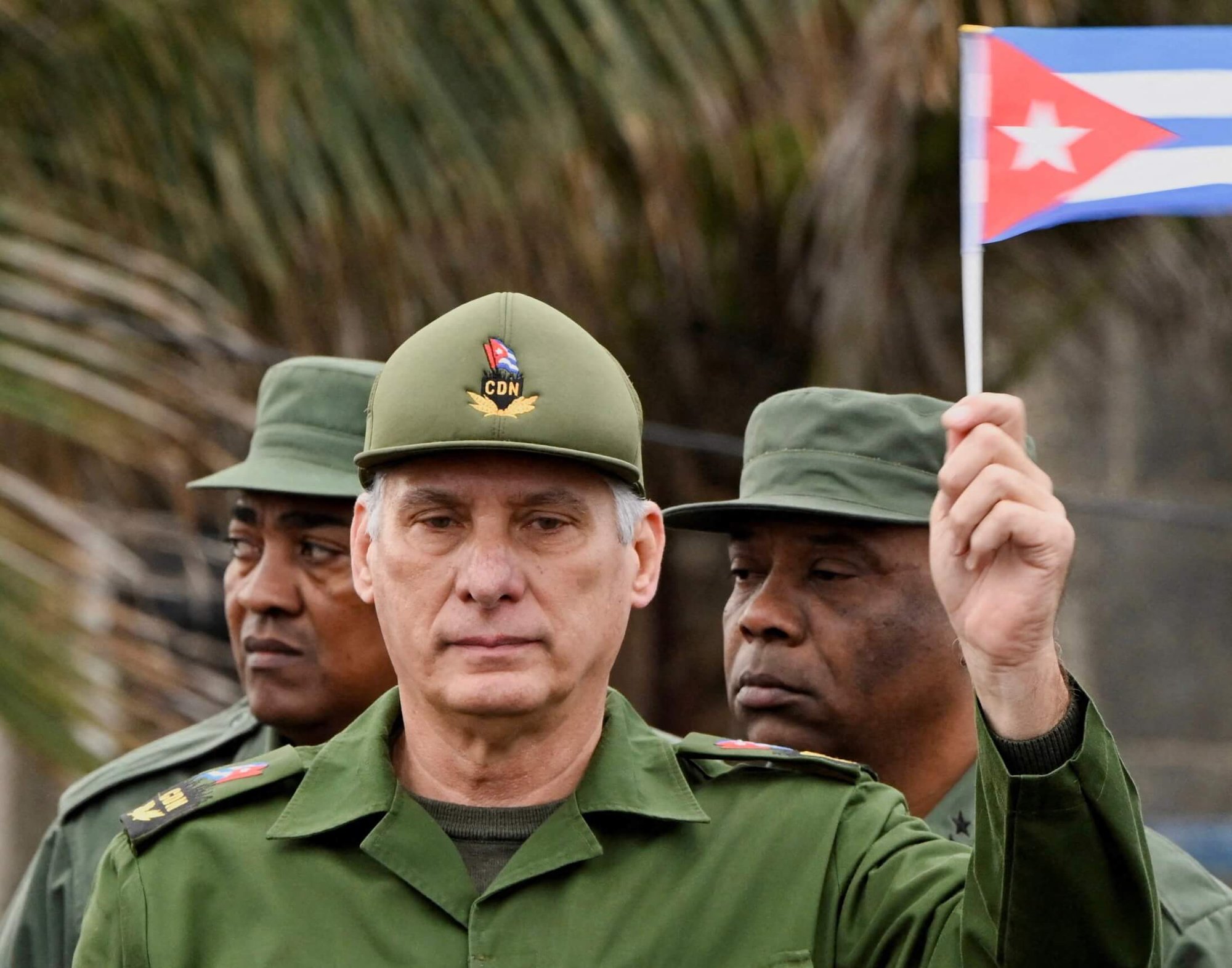
Miguel Díaz-Canel confirmed that Cuba is currently holding talks with the United States over potential solutions to the long-standing tensions between the two countries. The announcement signals...


0 Comments