0
Items
$0.00

Dark Mode
 Blogs
Blogs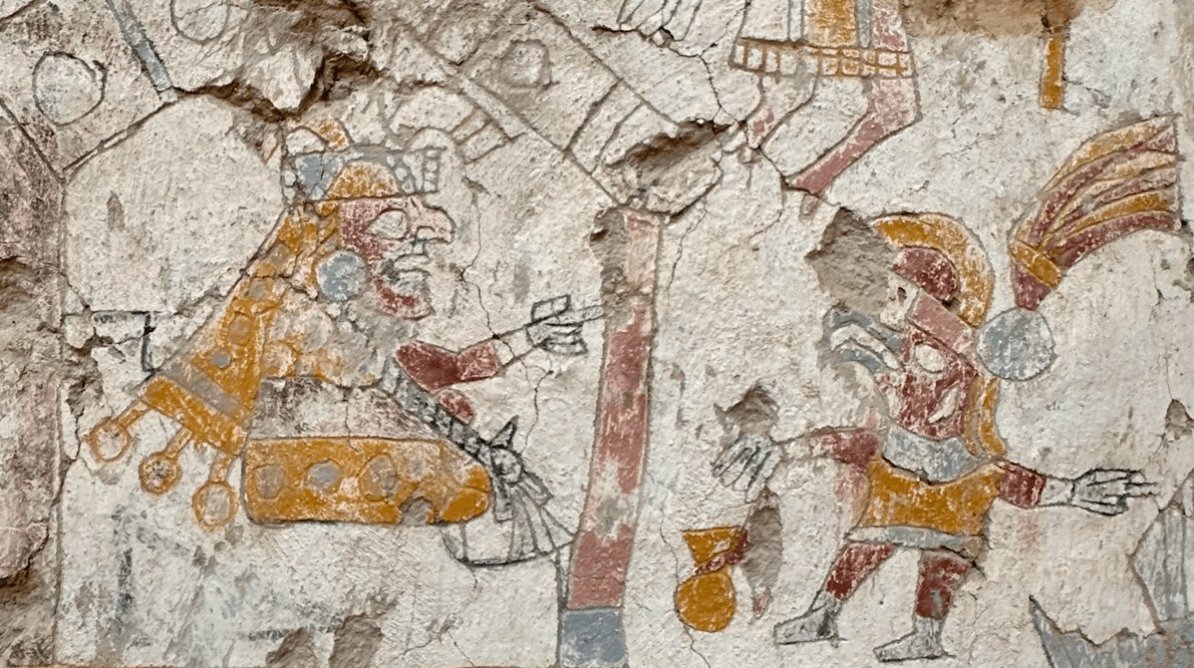
The recent discovery of a 1,300-year-old throne room at Pañamarca in Peru has captivated archaeologists and historians alike, shedding light on the Moche civilization and its female rulers. This seventh-century throne room, adorned with murals of a female Moche ruler, is an unprecedented find. Although archaeologists have yet to locate her skeletal remains, murals depict the queen in various regal poses, from raising a goblet and wearing a crown to holding a scepter while a procession brings offerings to her. These murals, found on pillars, walls, and even the throne, provide an intimate glimpse into the lives of Moche leaders, particularly female rulers—a role not uncommon in Moche society.
The adobe throne itself contains greenstone beads and traces of human hair, which researchers believe could belong to the queen. DNA testing may help confirm this, potentially revealing more about her identity. However, her tomb remains elusive, and archaeologists suspect it may have been looted.
The Moche, who flourished in northern Peru between A.D. 350 and 850, are known for their elaborate artwork, including ceramic depictions of human faces and intricate murals. Moche society, organized into independent yet interconnected polities, often held similar religious and artistic traditions, although the exact structure of their political systems remains a topic of debate.
Notably, female rulers in Moche culture were not unusual. Koons and her team underscore that high-ranking female burials in Peru are sometimes misinterpreted as “priestesses” rather than rulers, highlighting a shift in archaeological perspectives. This throne room’s discovery provides a compelling case for re-examining the power dynamics of ancient Peruvian societies and rethinking how female authority figures were perceived and recorded.
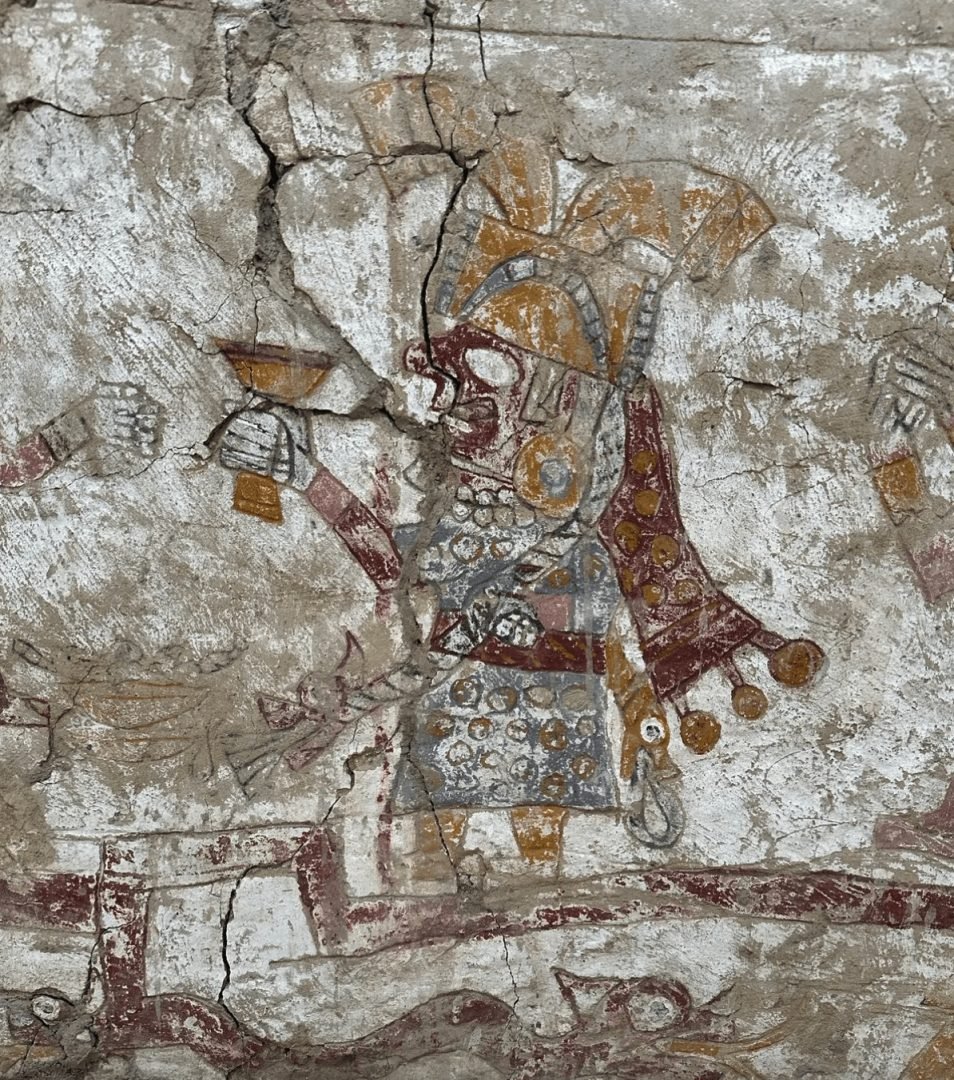
This site’s findings add to the legacy of notable female leaders like the “Señora de Cao,” a Moche mummy uncovered in 2006, adorned with jewelry, weapons, and symbols of authority. With murals at Pañamarca first discovered in the 1950s, ongoing research continues to unearth new insights. The project’s latest discoveries contribute to a deeper understanding of Moche society, where female leadership was both recognized and celebrated.
Did you like this article?
Did you like this article?
Désiré Doué delivered a breakout performance, scoring his first senior international goals as France national football teamsecured a confident 3-1 win over Colombia national football team in a friendly match in Maryland. The match wasn’t just big on the pitch—it was...
The “Messi effect” might be pulling in another global superstar. According to renowned journalist Fabrizio Romano, Brazilian midfielder Carlos Casemiro is open to a potential move to Inter Miami CF—and the idea of playing alongside Lionel Messi is a major factor. With...
In a move nobody saw coming—but somehow makes perfect sense—Ye has teamed up with Mexican superstar Peso Pluma on a new track titled “Last Breath.” The collaboration blends Ye’s signature experimental production with Peso Pluma’s raw, melodic delivery, creating a...
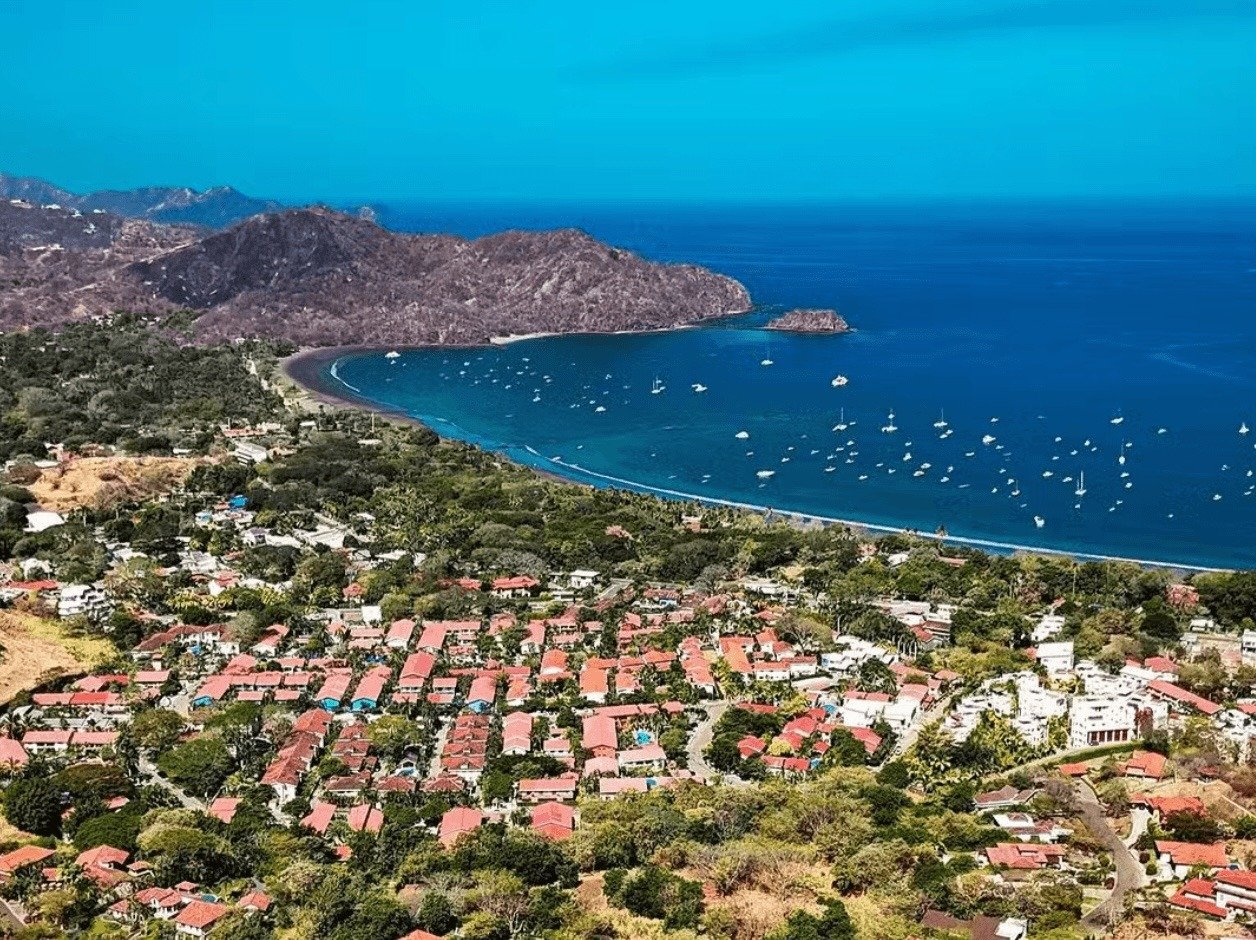
The 2026 World Happiness Report is out, and while Nordic countries continue to dominate, there’s a major moment for Latin America. For the first time ever, Costa Rica has cracked the top five,...
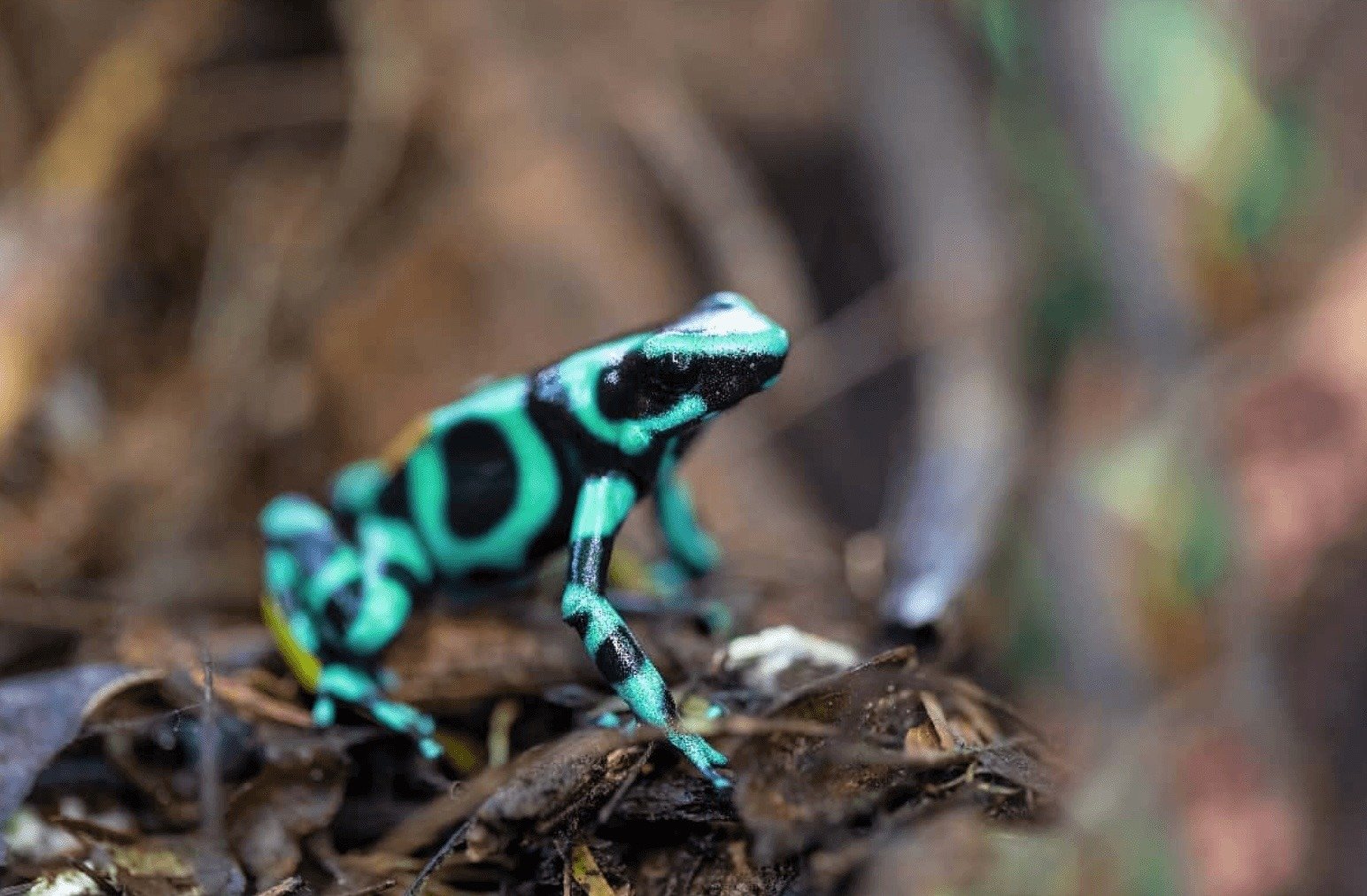
There’s a growing story coming out of Nicaragua — and it’s raising serious global concern. The country is now exporting over 11,000 exotic animals per month, a massive spike compared to previous...

China has dispatched a major shipment of 60,000 tons of rice to Cuba, reinforcing its ongoing support for the island as it faces economic pressure and food shortages. The shipment, announced by the...


0 Comments