0
Items
$0.00

Dark Mode
 Blogs
Blogs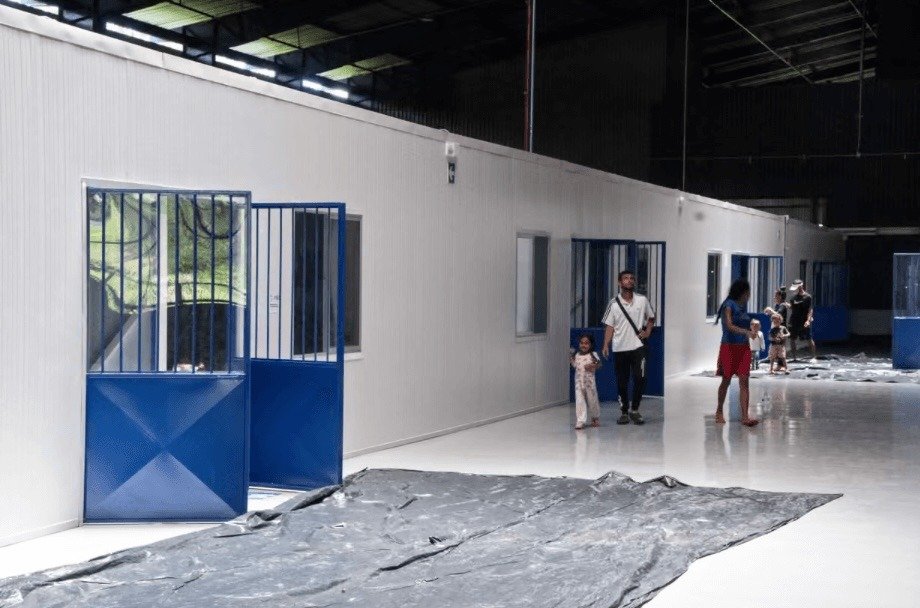
The world’s largest pencil maker, Faber-Castell, has accused the Costa Rican government of violating the terms of a humanitarian donation by allegedly using a former factory site to detain asylum seekers deported from the United States.
The German company donated its closed Costa Rican facility in 2018 under the condition it be used as a humanitarian migrant shelter. The contract explicitly stated the property could not be repurposed.
However, in 2025, Costa Rica accepted 200 migrants deported from the U.S. following President Donald Trump’s immigration crackdown. Many of those deported — including families and more than 70 children — were transferred to the facility, now called Centro de Atención Temporal para Migrantes (Catem).
Human Rights Watch later reported that migrants were held there for months without clear legal justification. Costa Rica’s constitutional court ruled the deportees had been unlawfully deprived of their liberty. The government denies this, stating the measures were humanitarian and necessary for their protection.
Faber-Castell says it was unaware of the detentions until contacted by media. “Under no circumstances was it agreed to be used as a prison,” the company said.
The controversy raises serious questions about migration policy, human rights — and the unintended consequences of international deportation agreements.
Did you like this article?
Did you like this article?
Toronto is officially ready for the world stage. Major upgrades to BMO Field at Exhibition Place have now been completed ahead of the FIFA World Cup 2026, where the venue will temporarily be known as Toronto Stadium. Delivered through a partnership between the City of...
There’s no easing up when it comes to Lionel Messi — and that’s big news for Toronto. According to Javier Mascherano, resting Messi isn’t part of the plan heading into the 2026 World Cup. The focus is simple: keep him playing, keep him sharp, and manage him in real...
The 2026 World Happiness Report is out, and while Nordic countries continue to dominate, there’s a major moment for Latin America. For the first time ever, Costa Rica has cracked the top five, landing at No. 4 and confirming its rise as one of the happiest places in...
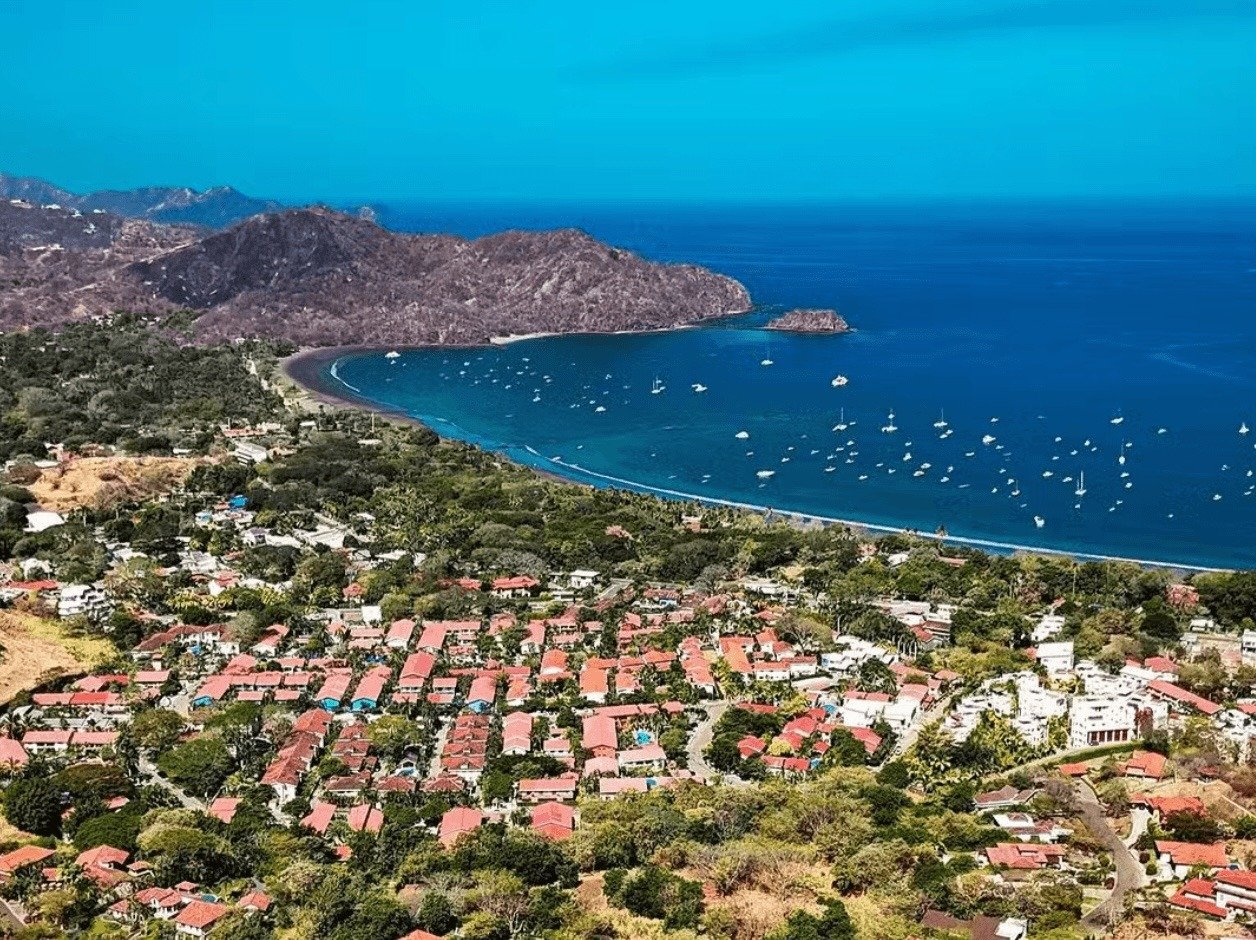
The 2026 World Happiness Report is out, and while Nordic countries continue to dominate, there’s a major moment for Latin America. For the first time ever, Costa Rica has cracked the top five,...
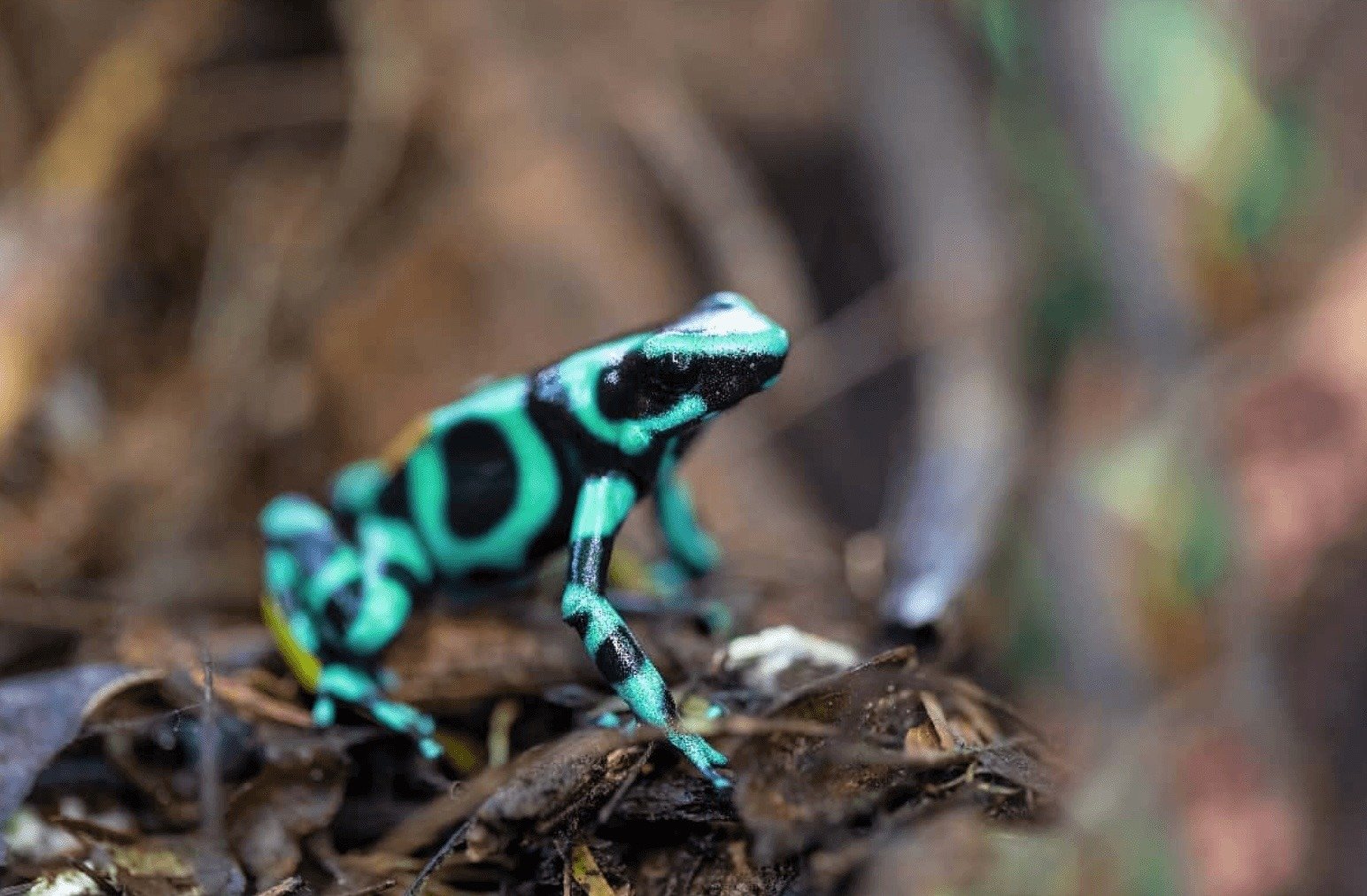
There’s a growing story coming out of Nicaragua — and it’s raising serious global concern. The country is now exporting over 11,000 exotic animals per month, a massive spike compared to previous...
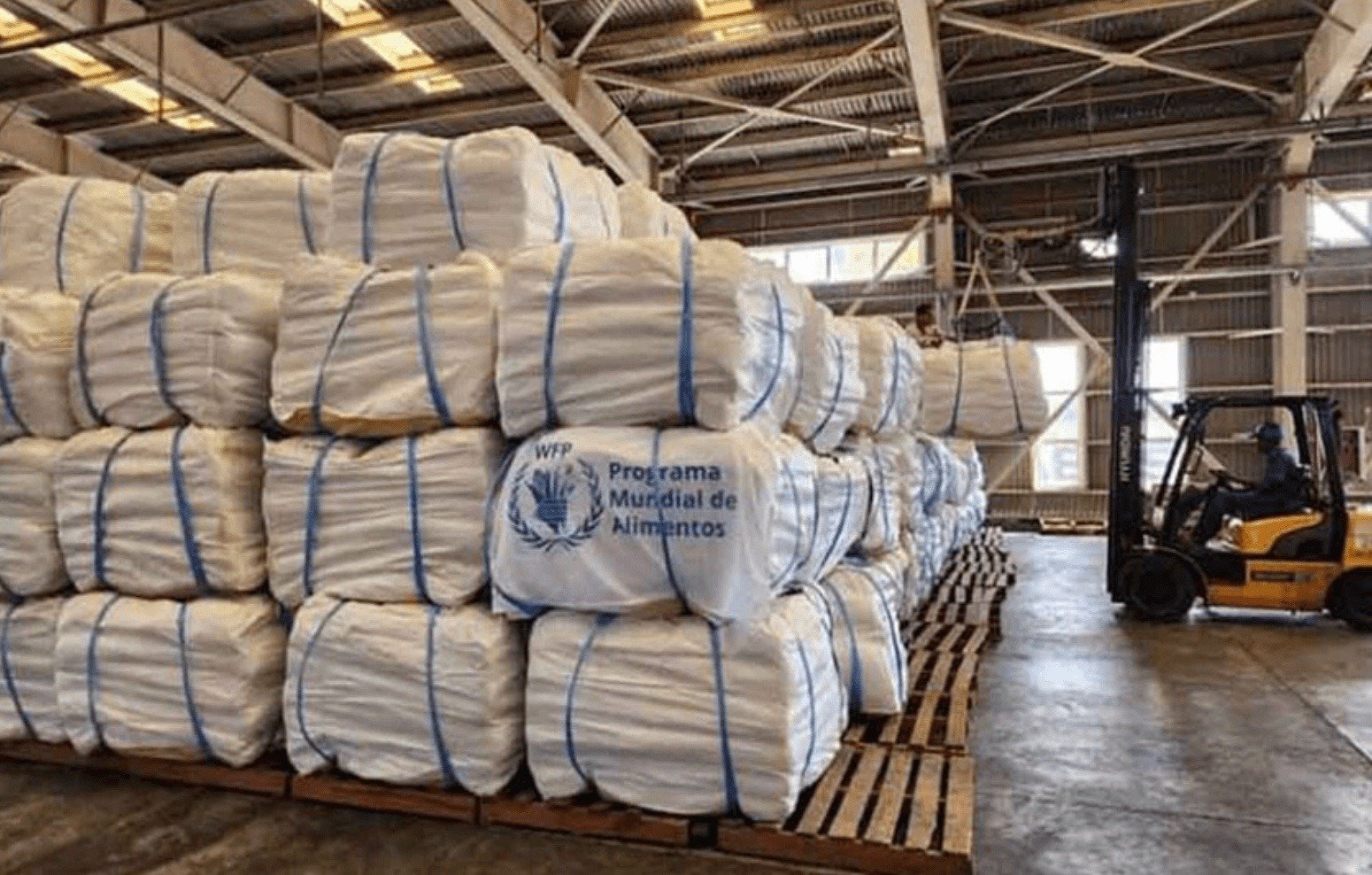
China has dispatched a major shipment of 60,000 tons of rice to Cuba, reinforcing its ongoing support for the island as it faces economic pressure and food shortages. The shipment, announced by the...


0 Comments