0
Items
$0.00

Dark Mode
 Blogs
Blogs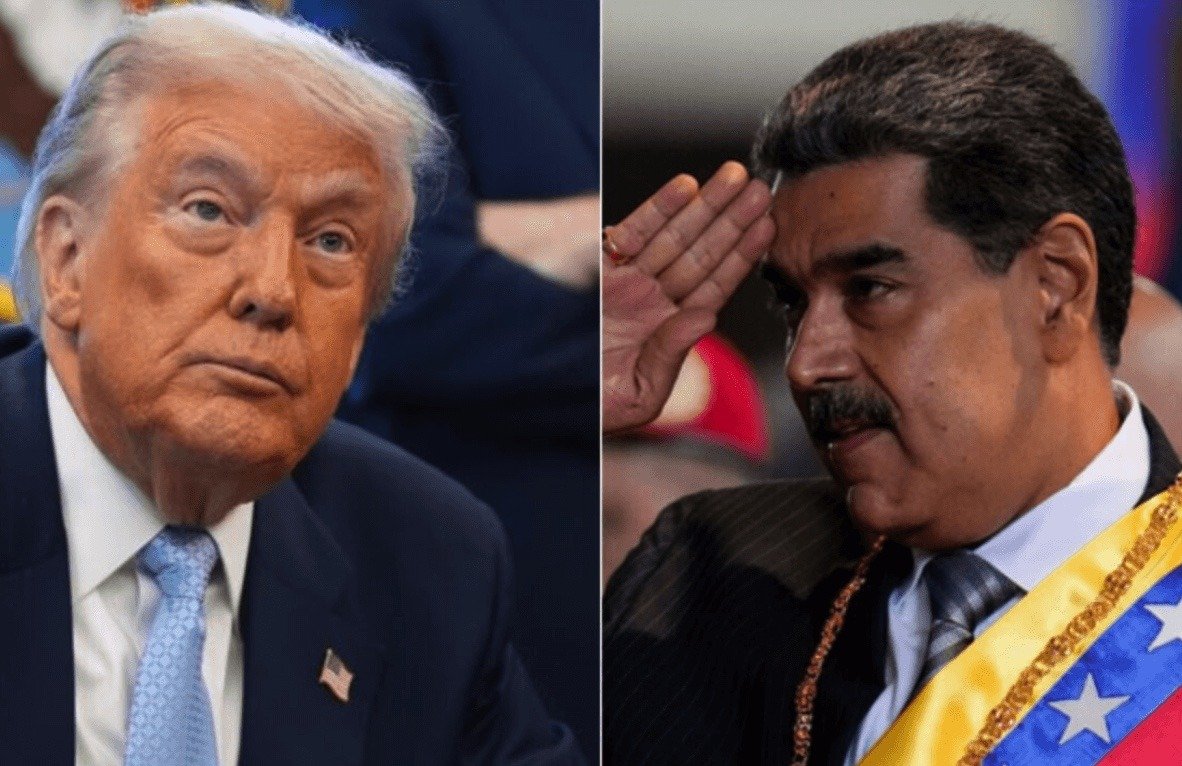
The situation around Venezuela took a dramatic turn this weekend after President Trump announced on social media that the airspace “above and surrounding Venezuela” should be considered “closed in its entirety.” While the U.S. has no legal authority over another country’s skies, Trump’s warning immediately raised alarms across the aviation world — and added fuel to an already volatile geopolitical moment.
The post comes as the Trump administration ramps up its controversial campaign of deadly maritime strikes on boats it claims are tied to drug trafficking. Since September, more than 80 people have been killed in U.S.-led attacks on vessels in Caribbean and Pacific waters — operations critics have condemned as extrajudicial executions.
Direct flights between the U.S. and Venezuela haven’t existed for years, so immediate impact on North American travelers is limited. But global airlines often adjust routes based on U.S. advisories, and some foreign carriers have already suspended flights following earlier FAA warnings about safety risks in Venezuela.
Behind the aviation tension lies a much larger story:
The U.S. has deployed a massive military presence — including the USS Gerald Ford strike group — across the Caribbean, signaling readiness for wider operations that could move from sea to land.
Officials say the campaign targets drug cartels.
But critics — including Venezuela, Colombia, and international legal experts — argue this looks like preparation for regime-change pressure on Nicolás Maduro, not narcotics enforcement.
Democrats in Washington accuse the administration of bypassing Congress and pushing the U.S. to the brink of a new foreign war. Even some Republicans are calling for investigations after reports suggested U.S. forces may have carried out follow-up strikes on survivors during boat attacks.
Meanwhile, it has emerged that Trump recently held a private phone call with President Maduro, adding confusion to an already chaotic diplomatic moment.
Despite Trump’s messaging, experts say Venezuela is not a major pathway for drugs entering the U.S. Most cocaine to North America flows through the Pacific, and fentanyl comes almost entirely from Mexico and China — not Venezuela.
But the risks are clear:
Closing airspace, expanding strikes, and escalating rhetoric increases the chance of a miscalculation that could ignite a regional crisis.
Did you like this article?
Did you like this article?
Toronto is officially ready for the world stage. Major upgrades to BMO Field at Exhibition Place have now been completed ahead of the FIFA World Cup 2026, where the venue will temporarily be known as Toronto Stadium. Delivered through a partnership between the City of...
There’s no easing up when it comes to Lionel Messi — and that’s big news for Toronto. According to Javier Mascherano, resting Messi isn’t part of the plan heading into the 2026 World Cup. The focus is simple: keep him playing, keep him sharp, and manage him in real...
The 2026 World Happiness Report is out, and while Nordic countries continue to dominate, there’s a major moment for Latin America. For the first time ever, Costa Rica has cracked the top five, landing at No. 4 and confirming its rise as one of the happiest places in...
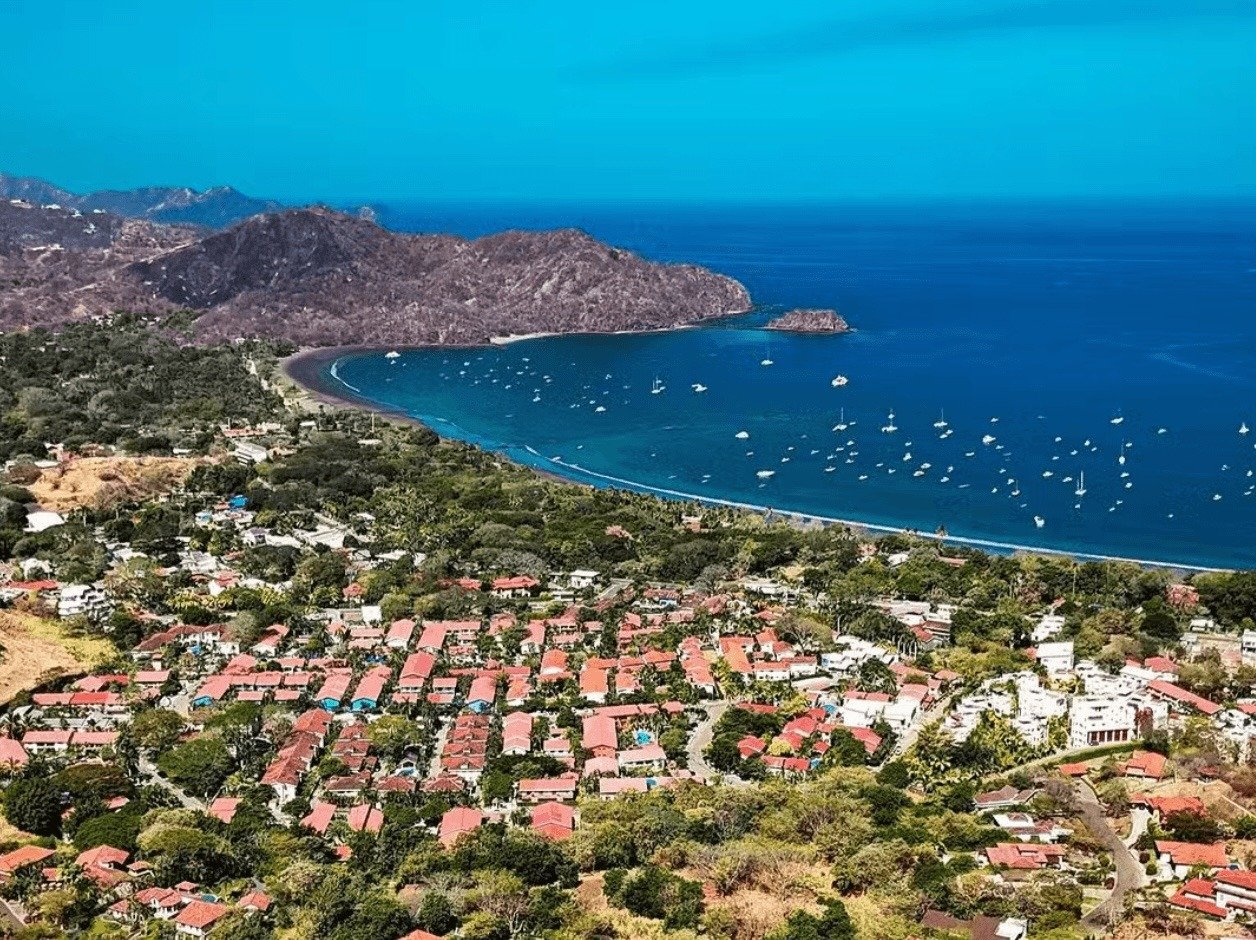
The 2026 World Happiness Report is out, and while Nordic countries continue to dominate, there’s a major moment for Latin America. For the first time ever, Costa Rica has cracked the top five,...

There’s a growing story coming out of Nicaragua — and it’s raising serious global concern. The country is now exporting over 11,000 exotic animals per month, a massive spike compared to previous...
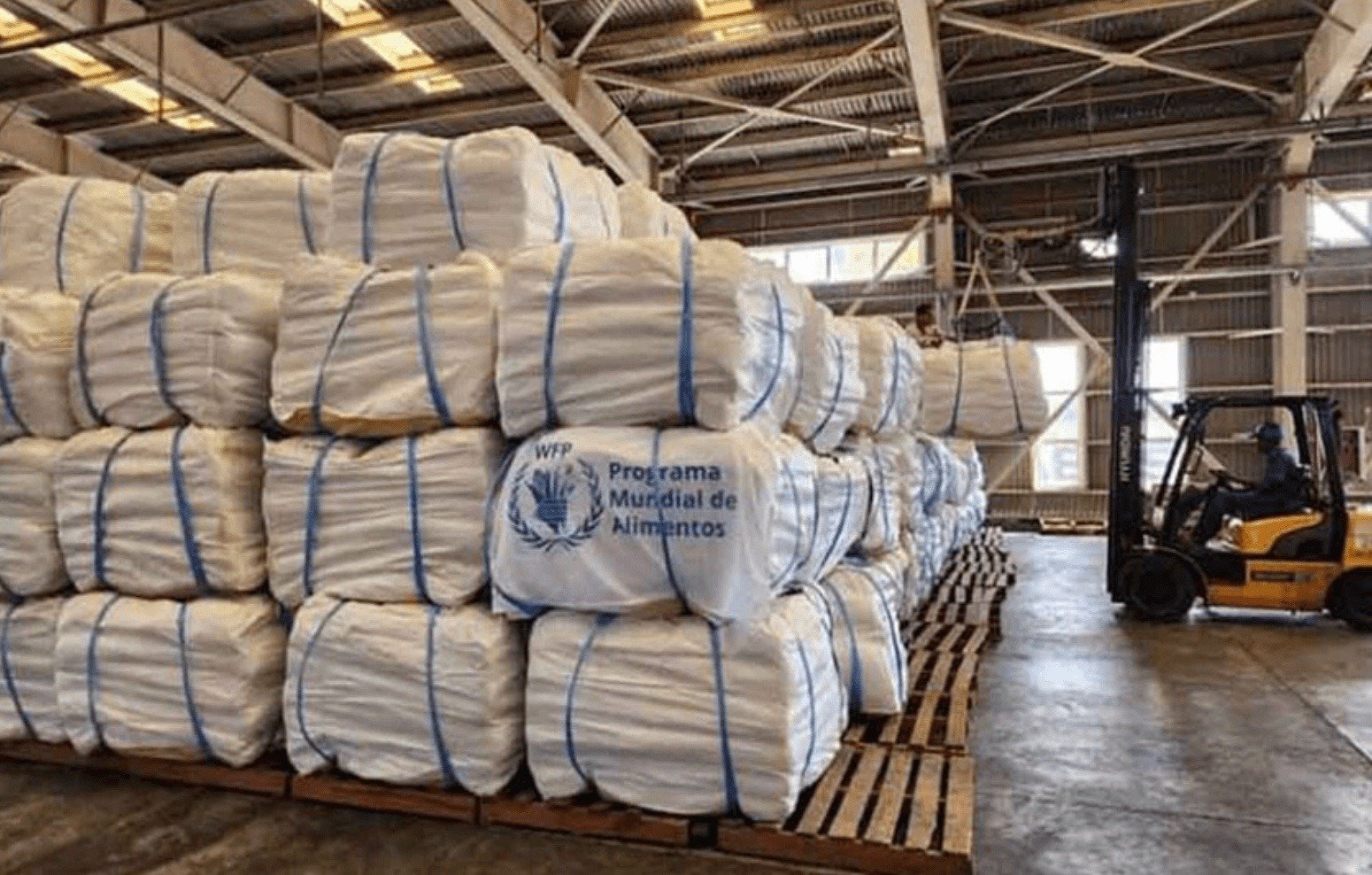
China has dispatched a major shipment of 60,000 tons of rice to Cuba, reinforcing its ongoing support for the island as it faces economic pressure and food shortages. The shipment, announced by the...


0 Comments