0
Items
$0.00

Dark Mode
 Blogs
Blogs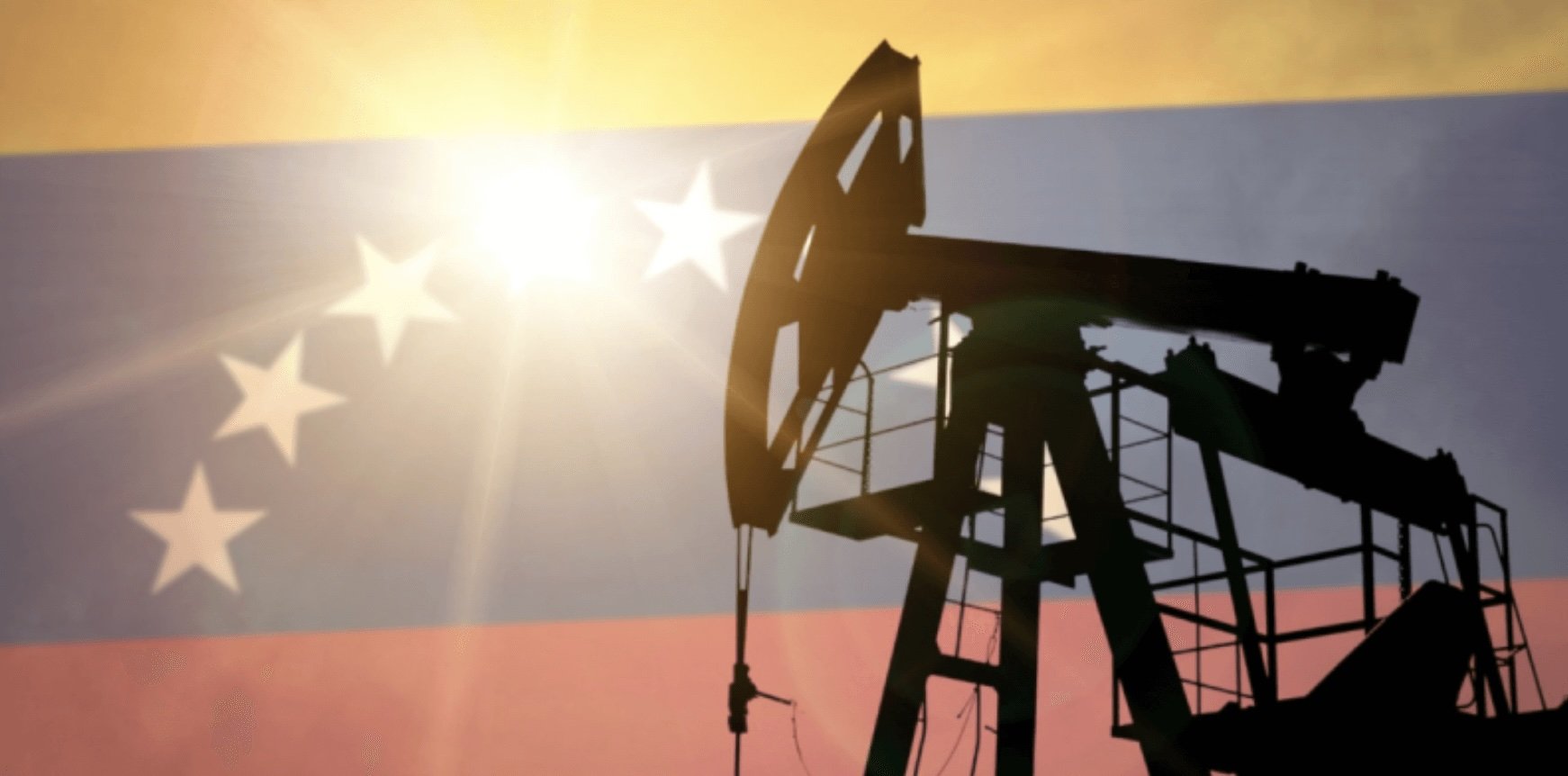
A fresh round of tension is brewing between the U.S. and Venezuela after Stephen Miller, a close adviser to President Donald Trump, claimed that Venezuela’s oil essentially belongs to the United States.
The comments came right after Trump announced a “total and complete blockade” on sanctioned oil tankers entering or leaving Venezuela. Miller doubled down on the message on social media, arguing that U.S. companies “created” Venezuela’s oil industry and that nationalization amounted to the “largest theft of American wealth in history.”
That claim has raised eyebrows — and alarms — especially as the U.S. has recently built up its largest military presence near Venezuela in decades and carried out strikes at sea it says are related to drug trafficking. Critics argue there’s little evidence backing those claims and say the real motivation may be oil and regime pressure, not security.
So what’s the reality?
Venezuela does, in fact, sit on the largest proven oil reserves in the world — over 300 billion barrels. While U.S. companies helped develop the industry in the early 1900s, Venezuela legally nationalized its oil sector in 1976, creating state-run PDVSA. Under international law, natural resources belong to the country where they’re located — full stop.
There’s no legal basis for U.S. ownership claims today. International law clearly states that sovereign nations control their own resources, regardless of who helped develop them decades ago.
As for why any U.S. company is still there: Chevron operates through special waivers, partnering with PDVSA and accounting for about one-fifth of Venezuela’s oil output. Pulling out would likely mean losing billions in assets overnight.
Bottom line?
The rhetoric is loud, the stakes are high, but legally speaking, Venezuela owns its oil — and any attempt to claim otherwise would be a major breach of international law.
Did you like this article?
Did you like this article?
The line between music, culture, and everyday products just got even blurrier — and Karol G is right at the center of it. She’s officially teamed up with Stanley 1913 to launch a limited-edition tumbler collection, turning a simple cup into a full-on lifestyle...
A devastating incident unfolded late Sunday night at LaGuardia Airport when an Air Canada Express flight collided with an airport fire truck during landing, leaving two pilots dead and dozens injured. The aircraft, operated by Jazz Aviation as flight AC8646, had just...
Canada has a new track star on the rise. Christopher Morales Williams delivered a breakout performance at the World Indoor Track and Field Championships, capturing gold in the men’s 400m with a championship record time of 44.76 seconds. The Vaughan native powered past...
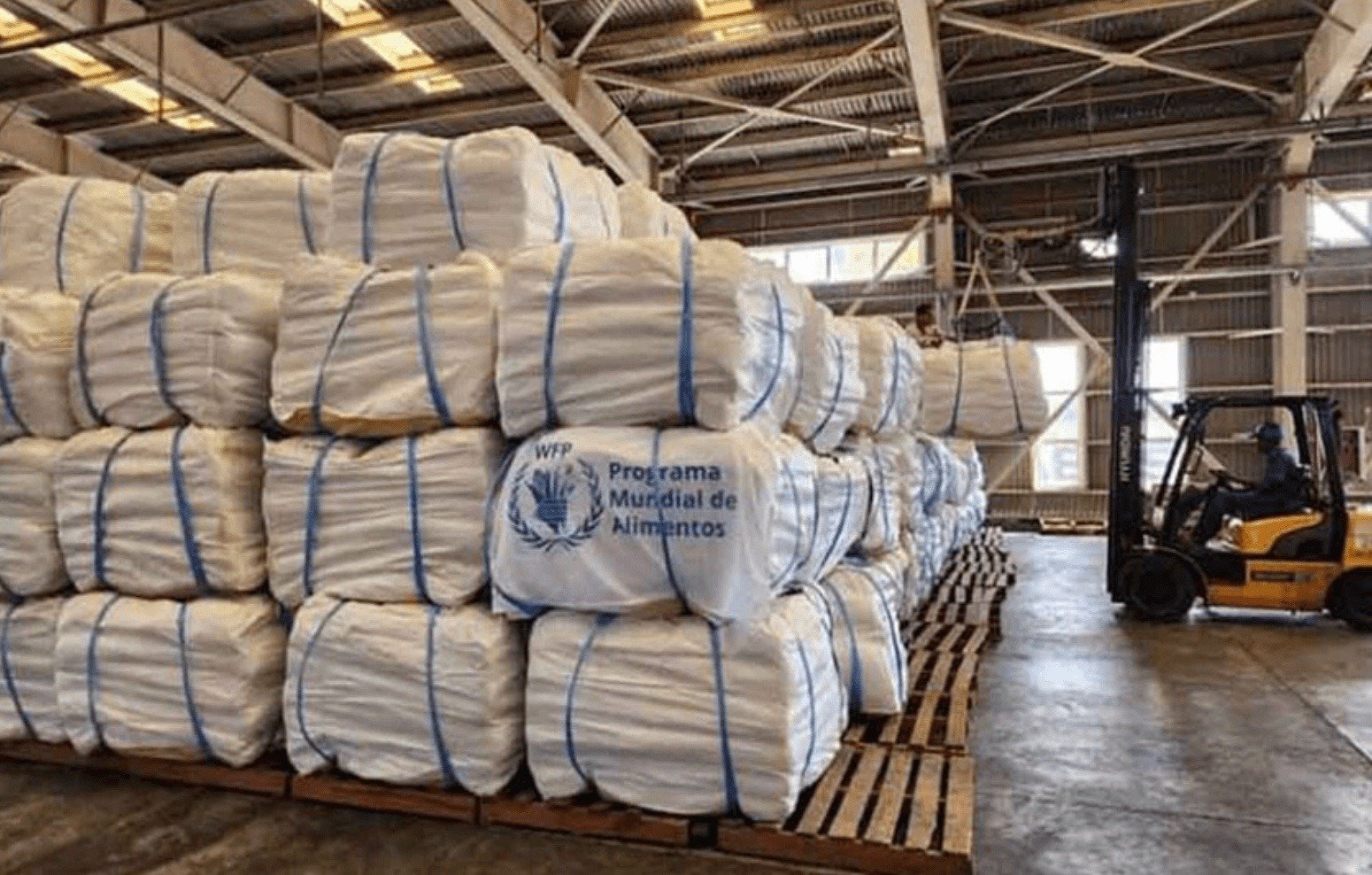
China has dispatched a major shipment of 60,000 tons of rice to Cuba, reinforcing its ongoing support for the island as it faces economic pressure and food shortages. The shipment, announced by the...
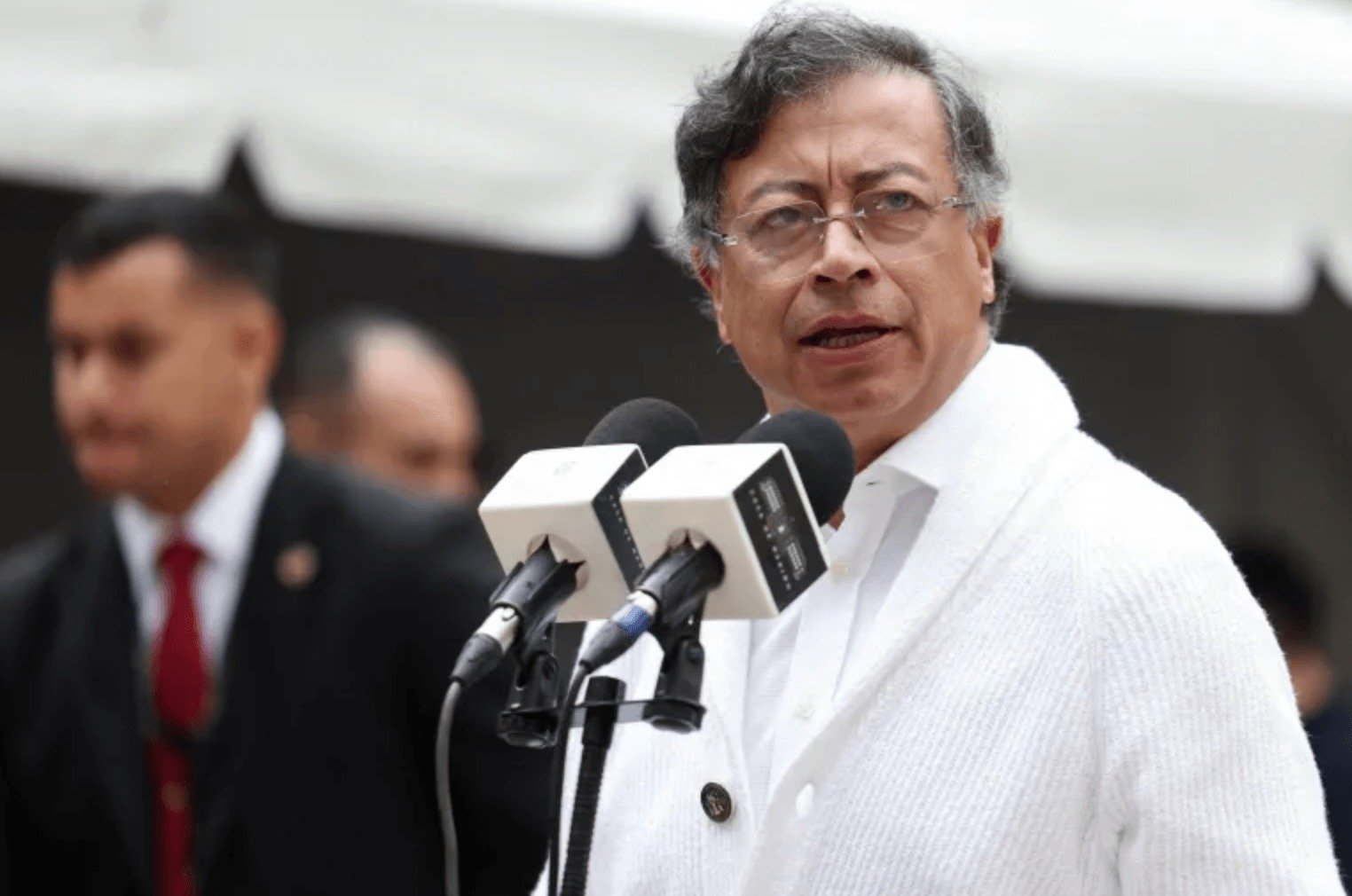
Gustavo Petro has been linked to two ongoing criminal investigations in the United States, adding new political tension just months before Colombia’s presidential election. According to reports,...
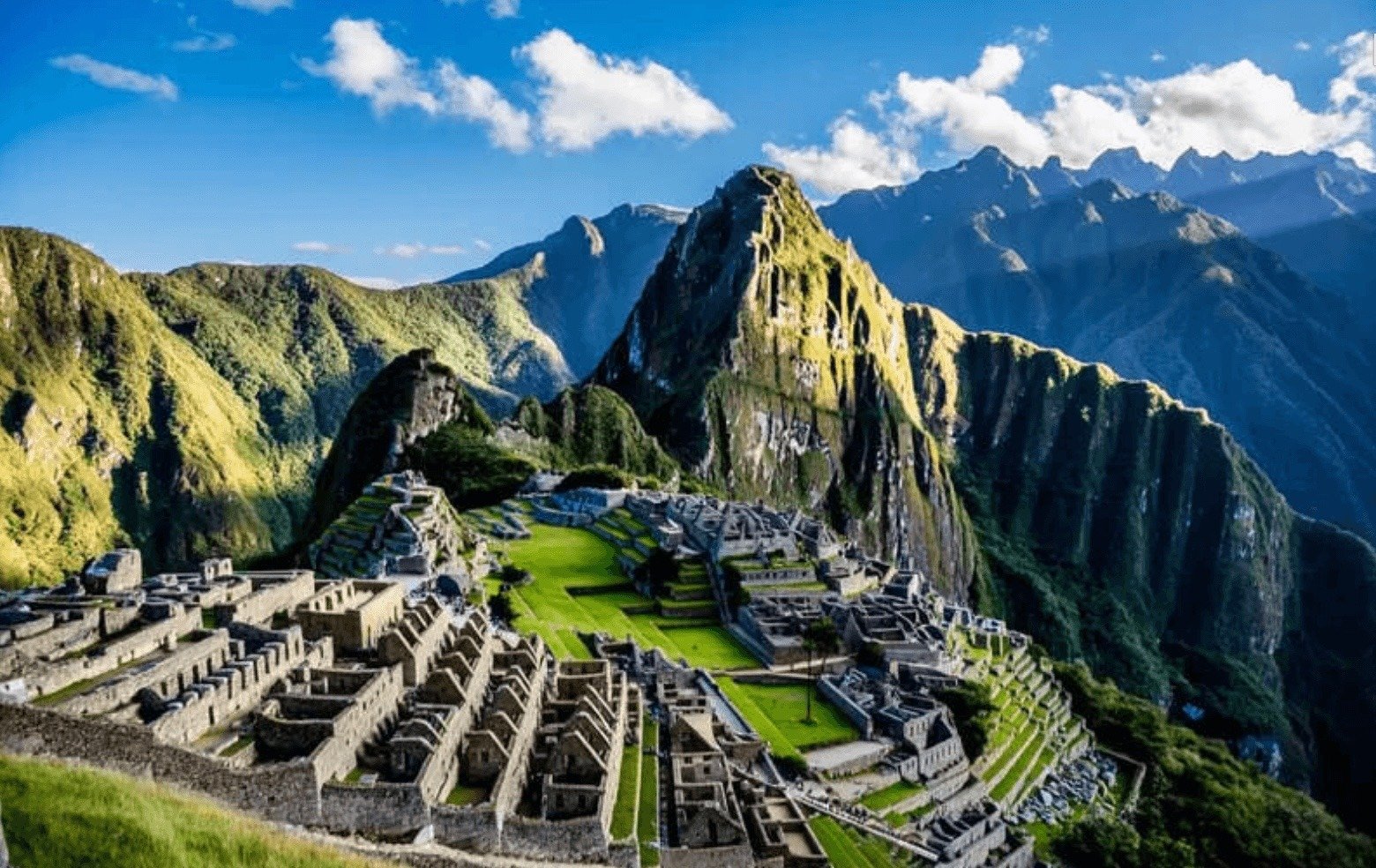
Peru is officially back on the global travel map — and then some. In 2025, the country welcomed a record-breaking 3.4 million international visitors, marking a major post-pandemic comeback and a new...


0 Comments