0
Items
$0.00

Dark Mode
 Blogs
Blogs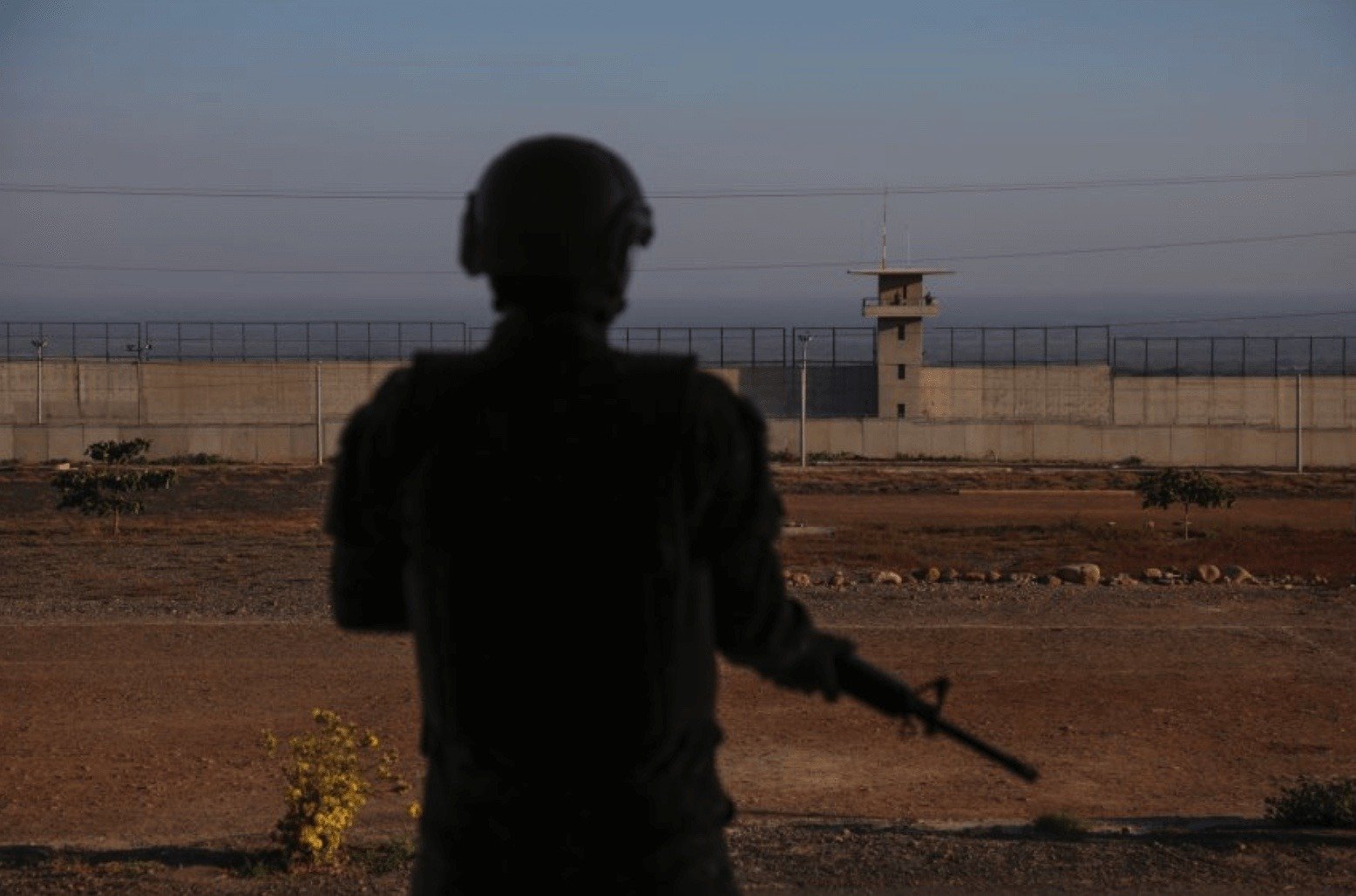
As the Trump administration ramps up its fight against drug trafficking — from tougher borders to deadly strikes at sea — experts say the U.S. may be missing a huge part of the problem: prisons.
Across Latin America, many of the region’s most powerful criminal organizations weren’t born on the streets or in jungles, but behind bars. Overcrowded, underfunded prisons have turned into breeding grounds where gangs recruit, organize, and run operations — sometimes more efficiently than the state itself.
Groups like Tren de Aragua in Venezuela, PCC and Comando Vermelho in Brazil, and gangs in Ecuador all grew stronger inside prison systems where inmates often control daily life. In these environments, gangs provide protection, food, and basic services the state doesn’t — making membership less about choice and more about survival.
Even worse, prison leaders often run drug trafficking, extortion, and killings from inside their cells, using prisons as safe headquarters. Power struggles over control have led to brutal massacres, especially in Ecuador, where hundreds of inmates have been killed in recent years.
While politicians across the region push hardline “mano dura” approaches — mass arrests, longer sentences, mega-prisons like El Salvador’s CECOT — analysts warn these strategies can backfire if prison conditions don’t improve. Packing more people into broken systems often just hands gangs more recruits.
The takeaway? Without fixing prisons — reducing overcrowding, restoring state control, and offering real alternatives — crackdowns outside won’t stop crime. As one former inmate put it: if you brutalize people inside, don’t be surprised when they come out as soldiers for crime.
Did you like this article?
Did you like this article?
There’s no easing up when it comes to Lionel Messi — and that’s big news for Toronto. According to Javier Mascherano, resting Messi isn’t part of the plan heading into the 2026 World Cup. The focus is simple: keep him playing, keep him sharp, and manage him in real...
The 2026 World Happiness Report is out, and while Nordic countries continue to dominate, there’s a major moment for Latin America. For the first time ever, Costa Rica has cracked the top five, landing at No. 4 and confirming its rise as one of the happiest places in...
There’s a growing story coming out of Nicaragua — and it’s raising serious global concern. The country is now exporting over 11,000 exotic animals per month, a massive spike compared to previous years. What might sound like a niche trade is actually becoming a major...
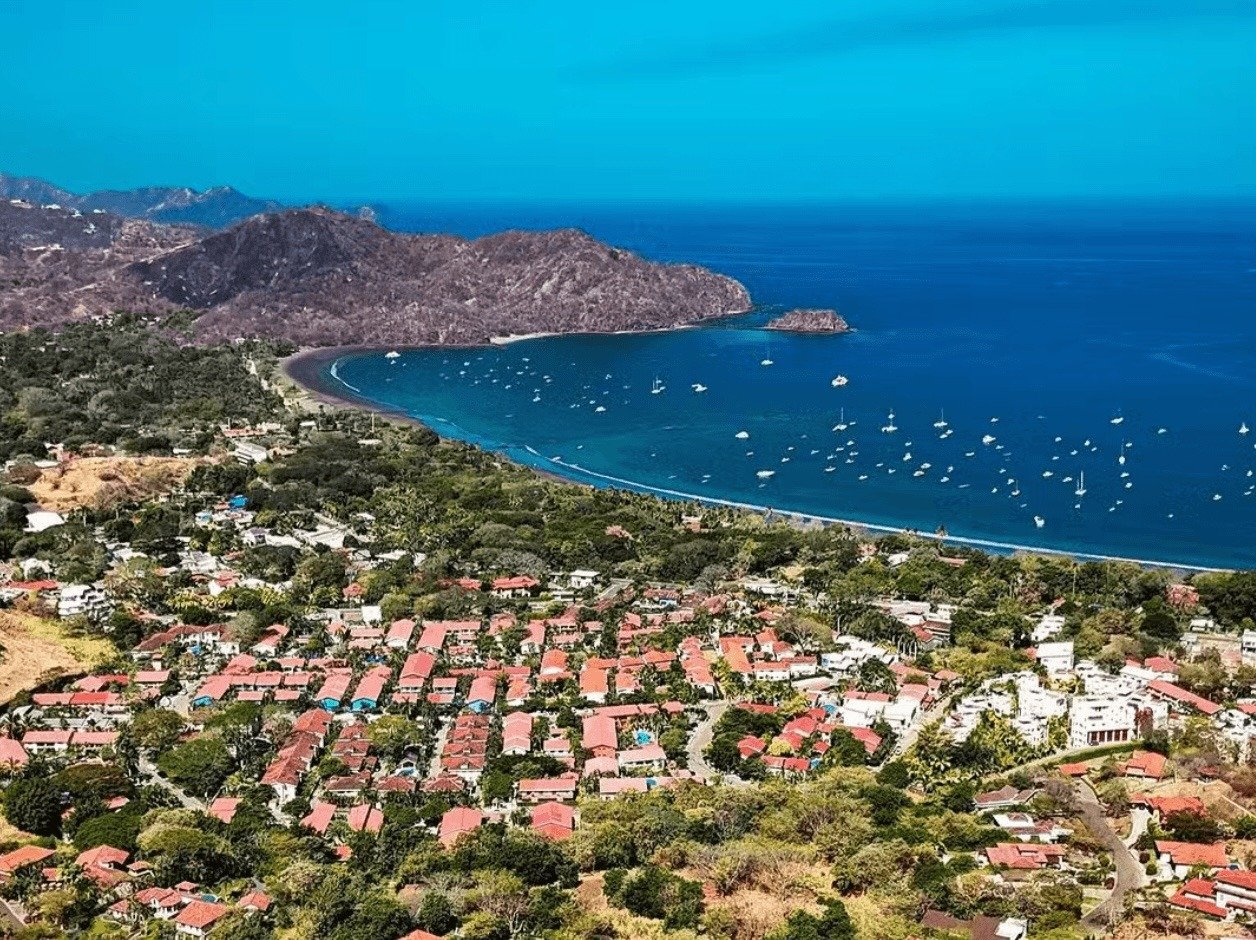
The 2026 World Happiness Report is out, and while Nordic countries continue to dominate, there’s a major moment for Latin America. For the first time ever, Costa Rica has cracked the top five,...
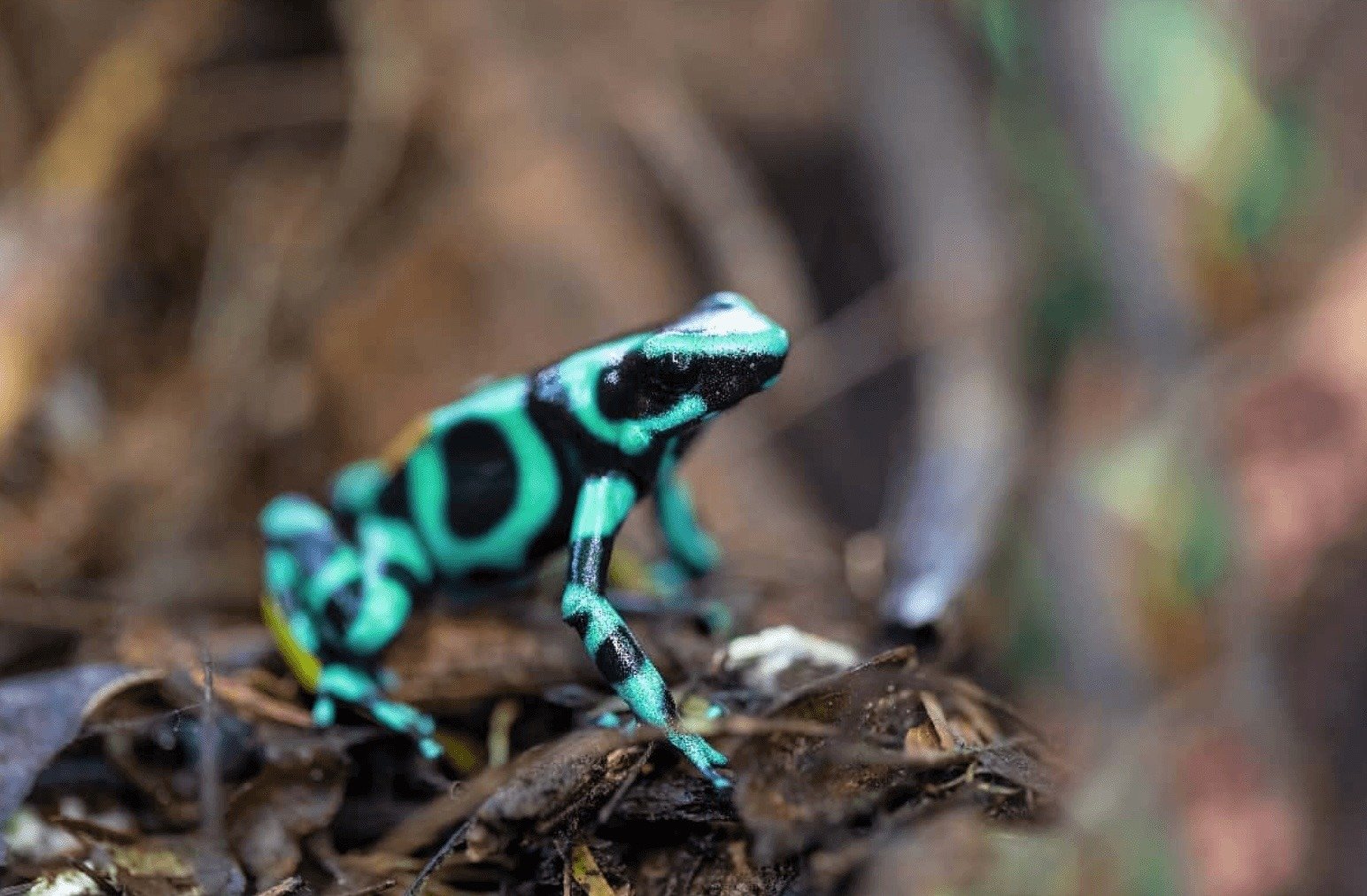
There’s a growing story coming out of Nicaragua — and it’s raising serious global concern. The country is now exporting over 11,000 exotic animals per month, a massive spike compared to previous...
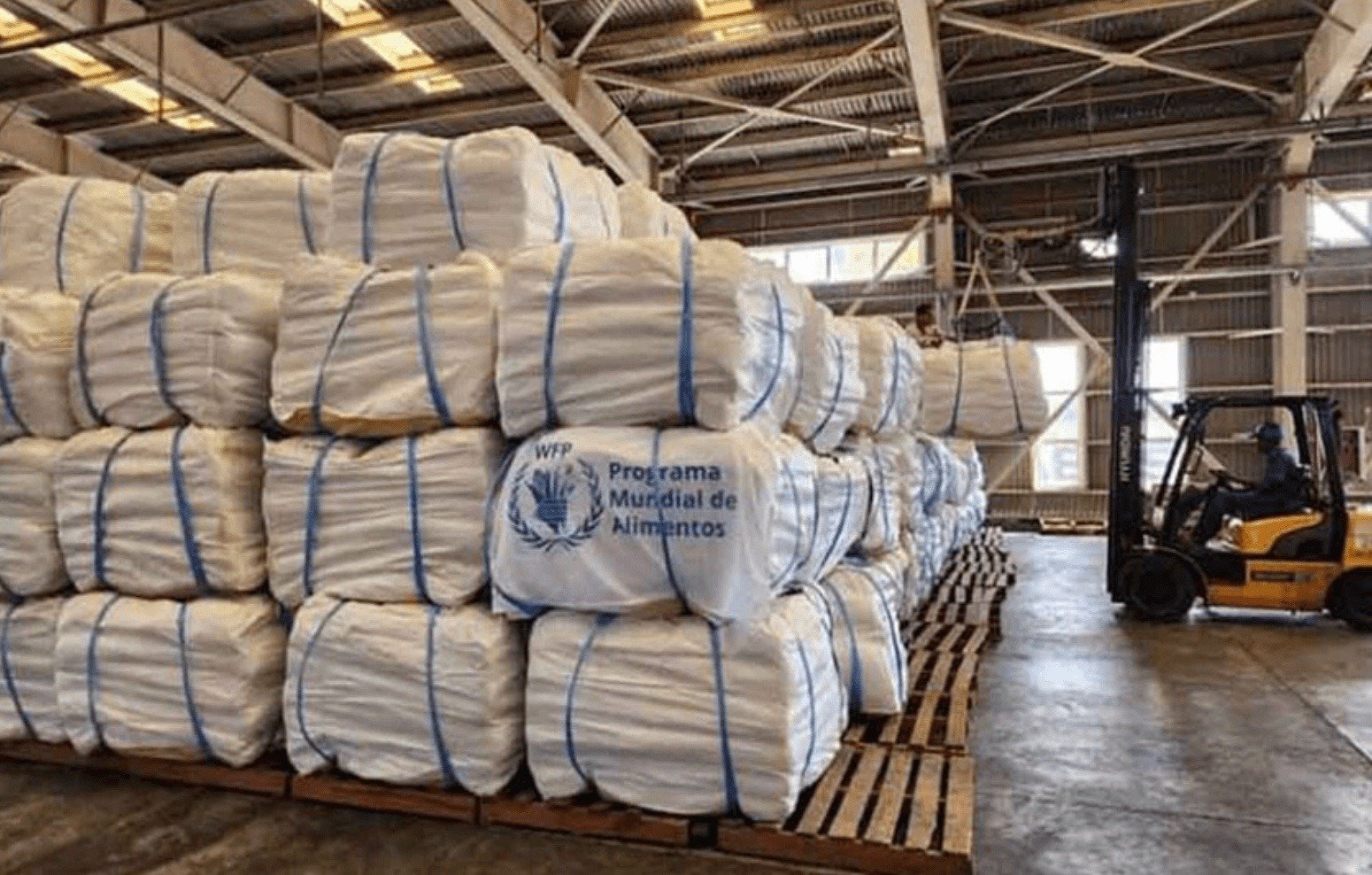
China has dispatched a major shipment of 60,000 tons of rice to Cuba, reinforcing its ongoing support for the island as it faces economic pressure and food shortages. The shipment, announced by the...


0 Comments