0
Items
$0.00

Dark Mode
 Blogs
Blogs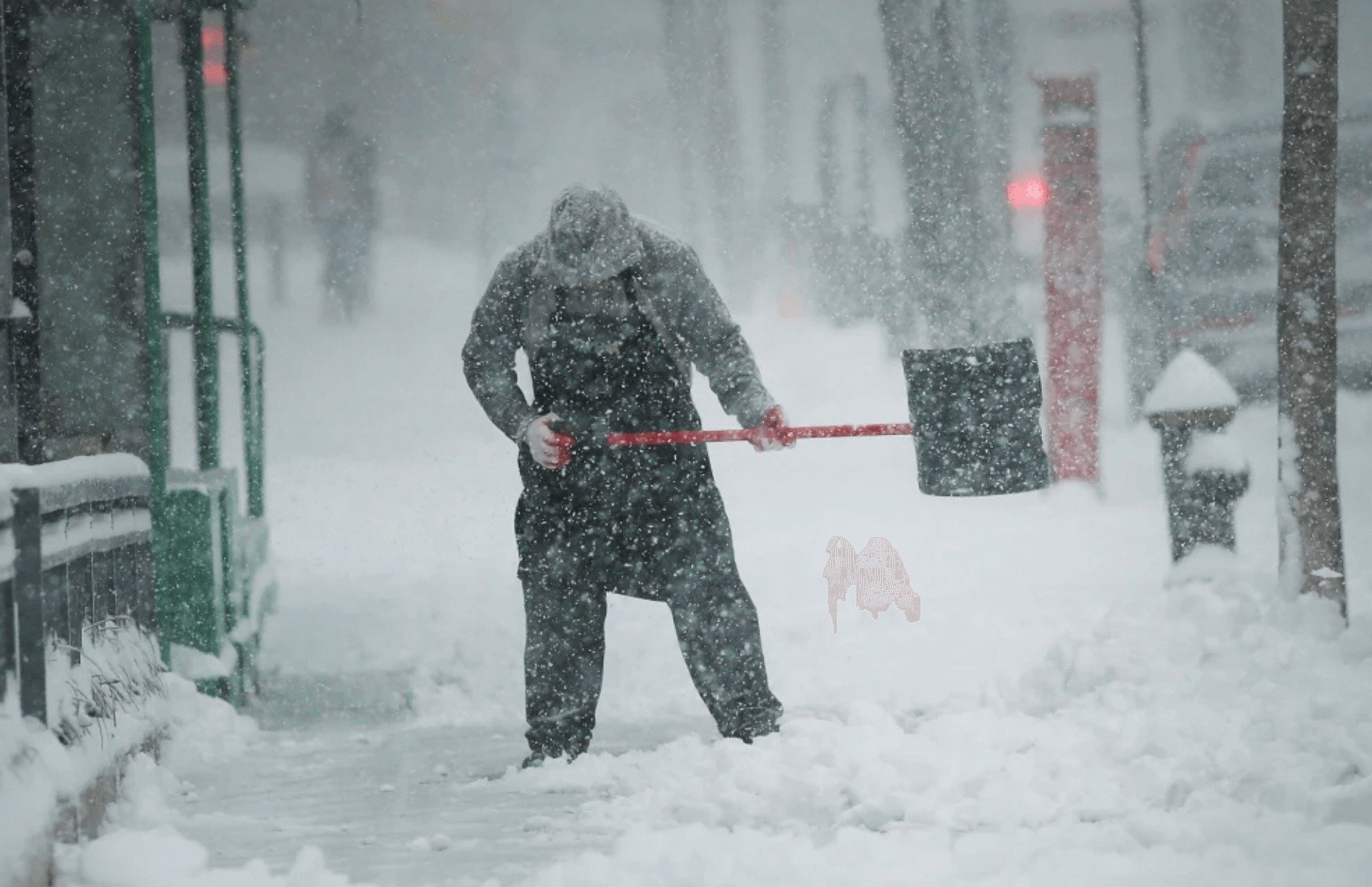
“Age is just a number” might work for chasing dreams — but not when it comes to shoveling snow.
Research shows that for men over a certain age, heavy snowfall can significantly raise the risk of heart attacks and sudden cardiac death. One large Canadian study found that after major snowstorms, heart attacks in men rose by about 16%, with deaths increasing even more. Experts say it’s not just the snow — it’s the way we clear it.
Wet snow is extremely heavy. Studies show the average shovel load can weigh around 16 pounds. At a steady pace, that can add up to lifting nearly 2,000 pounds in 10 minutes — while your heart rate climbs close to maximum levels, sometimes even higher than during a treadmill stress test.
Cold weather makes things worse. Breathing in cold air causes blood vessels to constrict, raising blood pressure and making it harder for blood to reach the heart. Combine that with sudden heavy exertion and you have a serious strain on the cardiovascular system.
Shoveling snow stresses the body in unique ways:
It’s static exertion — standing still while lifting heavy loads
It relies heavily on arm work, which is tougher on the heart than leg movement
People often hold their breath while lifting, spiking blood pressure
Limited leg movement can cause blood to pool instead of circulating well
Cold temperatures narrow arteries, reducing blood flow to the heart
Younger adults typically haven’t developed significant heart disease yet. But after about 45–50 years old, many people — even those without symptoms — may have some level of hidden coronary artery disease. Risk increases further if you’re sedentary, smoke, or have diabetes, high cholesterol, or high blood pressure.
Even people who feel fine may be unaware of underlying heart issues. Sometimes, experts say, a heart attack during heavy exertion is the first warning sign.
Doctors recommend reducing strain whenever possible:
Hire help if you’re older or have heart risk factors
Push snow instead of lifting it
Dress warmly in layers, especially covering your face, hands, and head
Avoid big meals, alcohol, or smoking before shoveling
Work in short intervals and take frequent breaks
Use a snow blower instead of a shovel when possible
Stop immediately if you feel chest pain, shortness of breath, discomfort in the arms, neck, jaw, or shoulders, dizziness, or nausea. If symptoms don’t go away quickly, call 911.
Did you like this article?
Did you like this article?
Team USA survived a tense battle against the powerful Dominican Republic national baseball team, winning 2–1 in the semifinals of the World Baseball Classic to advance to the championship game. The game’s decisive moment came in the fourth inning when Gunnar Henderson...
Feid is taking the next step in his career, officially launching his own record label, Grabaciones Los Poderosos, Billboard has confirmed. The new label will operate under a distribution partnership with Universal Music Latin Entertainment. Through the venture, Feid...
The highly anticipated Finalissima 2026 between Spain national football team and Argentina national football team has officially been cancelled, according to UEFA. The match, scheduled for March 27 in Doha, Qatar, was meant to bring together the winners of UEFA Euro...

Traveling with pets could soon become much easier for Toronto families. London-based pet aviation company Vicuna Airhas announced plans to expand its routes to Toronto, offering a new way for pet...
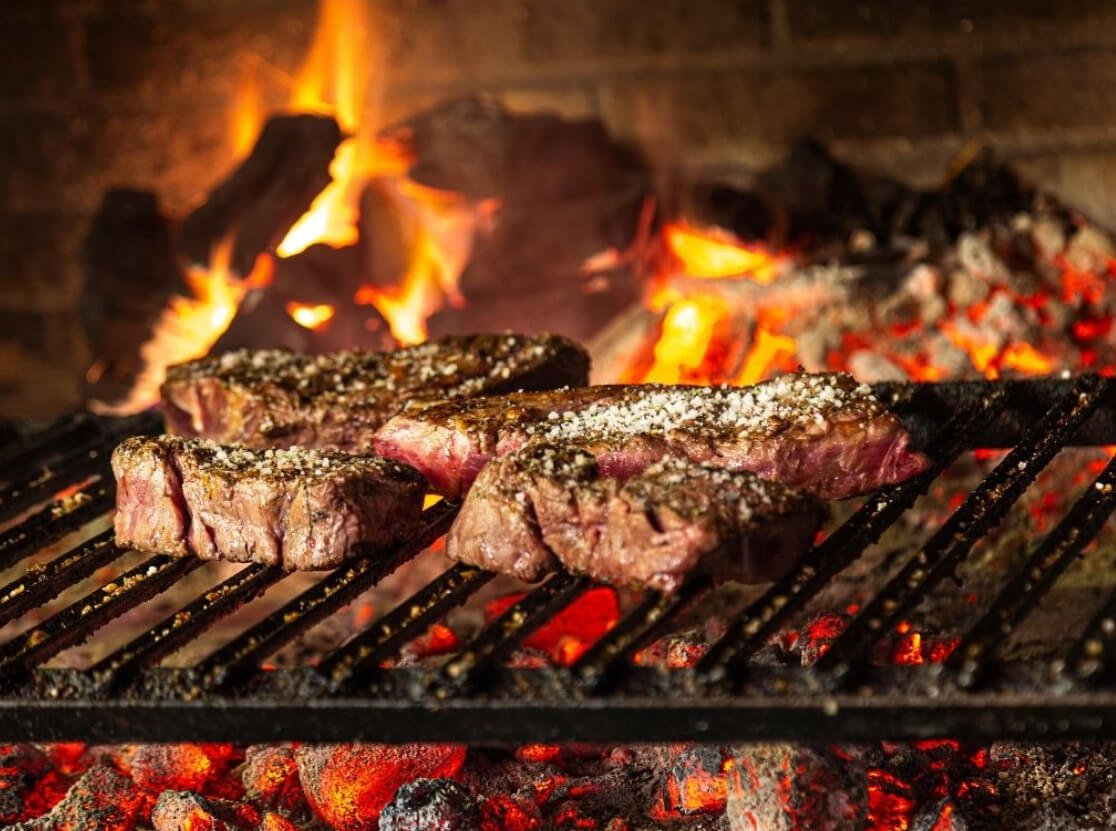
The Asado Festival is officially returning for its third year — and it’s coming back bigger than ever at Assembly Park in Vaughan, June 26, 27, 28. After drawing massive crowds in Toronto in 2024,...

Alphonso Davies left the field injured during Bayern Munich’s Champions League match against Atalanta BC in Bergamo, raising concerns about the Canadian star’s fitness ahead of the 2026 FIFA World...


0 Comments