0
Items
$0.00

Dark Mode
 Blogs
Blogs
Mexico has announced a major boost to worker protections heading into 2026, unveiling a 13% increase to the national minimum wage and a legislative push to shorten the country’s famously long work week. The measures reflect President Claudia Sheinbaum’s ongoing commitment to lift worker incomes and reduce inequality in Latin America’s second-largest economy.
Starting in January, Mexico’s minimum wage will rise to 315.04 pesos per day (about $17.27 USD). In the higher-wage border zone near the United States, the rate will jump to around 440.87 pesos per day.
President Sheinbaum noted that with this increase, minimum salaries will have climbed 154% since 2018, crediting the policy for helping reduce poverty nationwide. The hike is the result of an agreement between business leaders, labor unions, and the government.
While the administration argues the wage increases support workers without disrupting investment — pointing to record levels of foreign investment — some economists remain cautious.
Bank of Mexico officials and financial analysts warn that pushing the minimum wage too close to the median wage could add pressure to inflation. Even so, headline inflation currently sits near the central bank’s 3% target, following multiple interest rate cuts throughout 2024.
The wage announcement comes at a delicate economic moment: Mexico’s economy contracted 0.3% in the third quarter, its first year-on-year decline since 2021. Industrial output has slowed, while uncertainty surrounding U.S. tariffs and the upcoming USMCA review in 2026 continues to weigh on investor confidence.
Alongside the wage increase, Sheinbaum’s government is now pushing ahead with another major labor reform: reducing the work week from 48 to 40 hours by 2030.
If passed, the change would roll out gradually — by two hours per year starting in 2027.
This reform was a campaign promise during the 2024 election but has faced resistance from business groups concerned about labor costs and productivity. Still, the government argues the shift is long overdue.
Mexico remains the hardest-working country in the OECD, with the average worker logging 2,193 hours in 2024 — far more than peers in other developed nations.
Did you like this article?
Did you like this article?
Désiré Doué delivered a breakout performance, scoring his first senior international goals as France national football teamsecured a confident 3-1 win over Colombia national football team in a friendly match in Maryland. The match wasn’t just big on the pitch—it was...
The “Messi effect” might be pulling in another global superstar. According to renowned journalist Fabrizio Romano, Brazilian midfielder Carlos Casemiro is open to a potential move to Inter Miami CF—and the idea of playing alongside Lionel Messi is a major factor. With...
In a move nobody saw coming—but somehow makes perfect sense—Ye has teamed up with Mexican superstar Peso Pluma on a new track titled “Last Breath.” The collaboration blends Ye’s signature experimental production with Peso Pluma’s raw, melodic delivery, creating a...
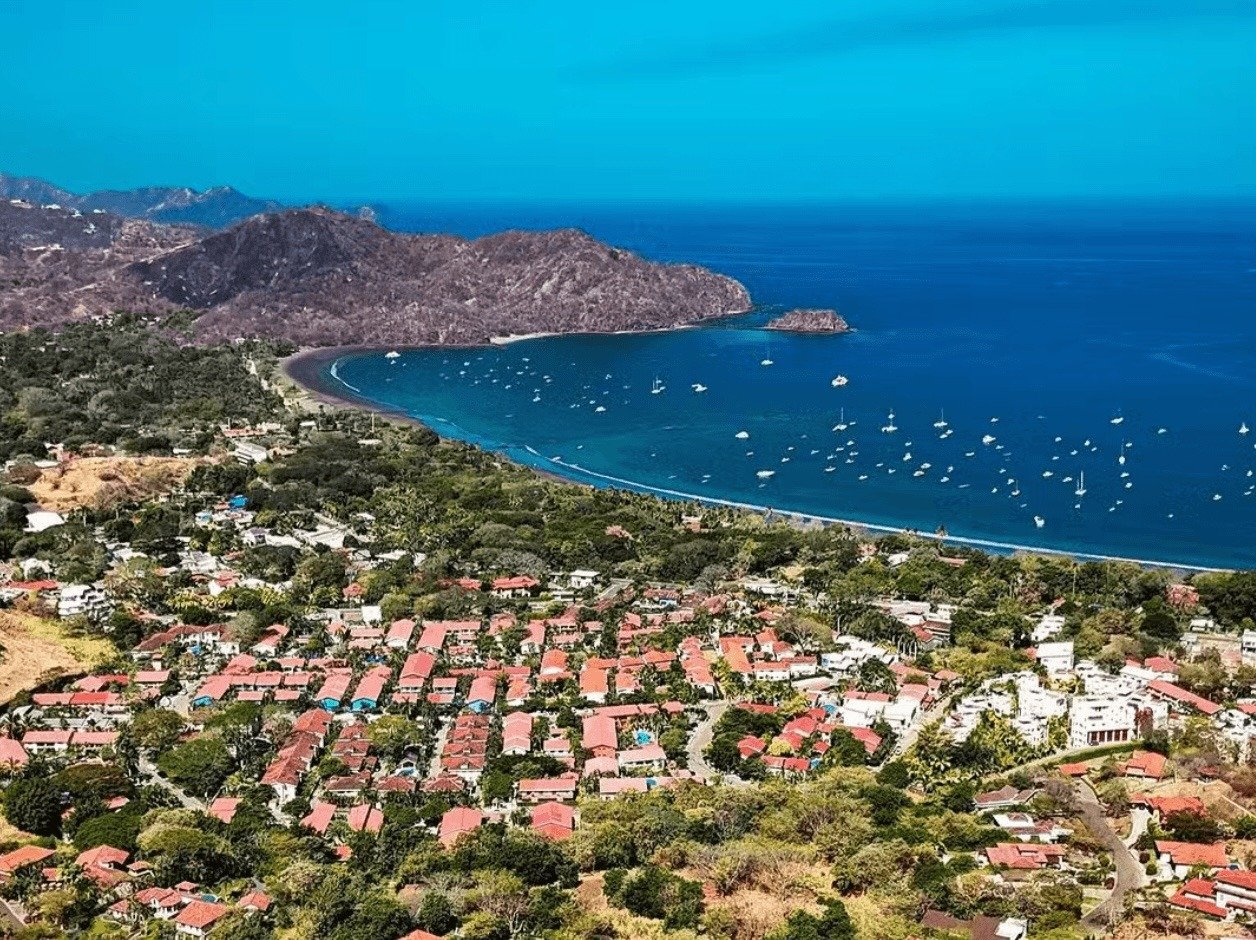
The 2026 World Happiness Report is out, and while Nordic countries continue to dominate, there’s a major moment for Latin America. For the first time ever, Costa Rica has cracked the top five,...

There’s a growing story coming out of Nicaragua — and it’s raising serious global concern. The country is now exporting over 11,000 exotic animals per month, a massive spike compared to previous...

China has dispatched a major shipment of 60,000 tons of rice to Cuba, reinforcing its ongoing support for the island as it faces economic pressure and food shortages. The shipment, announced by the...


0 Comments