0
Items
$0.00

Dark Mode
 Blogs
Blogs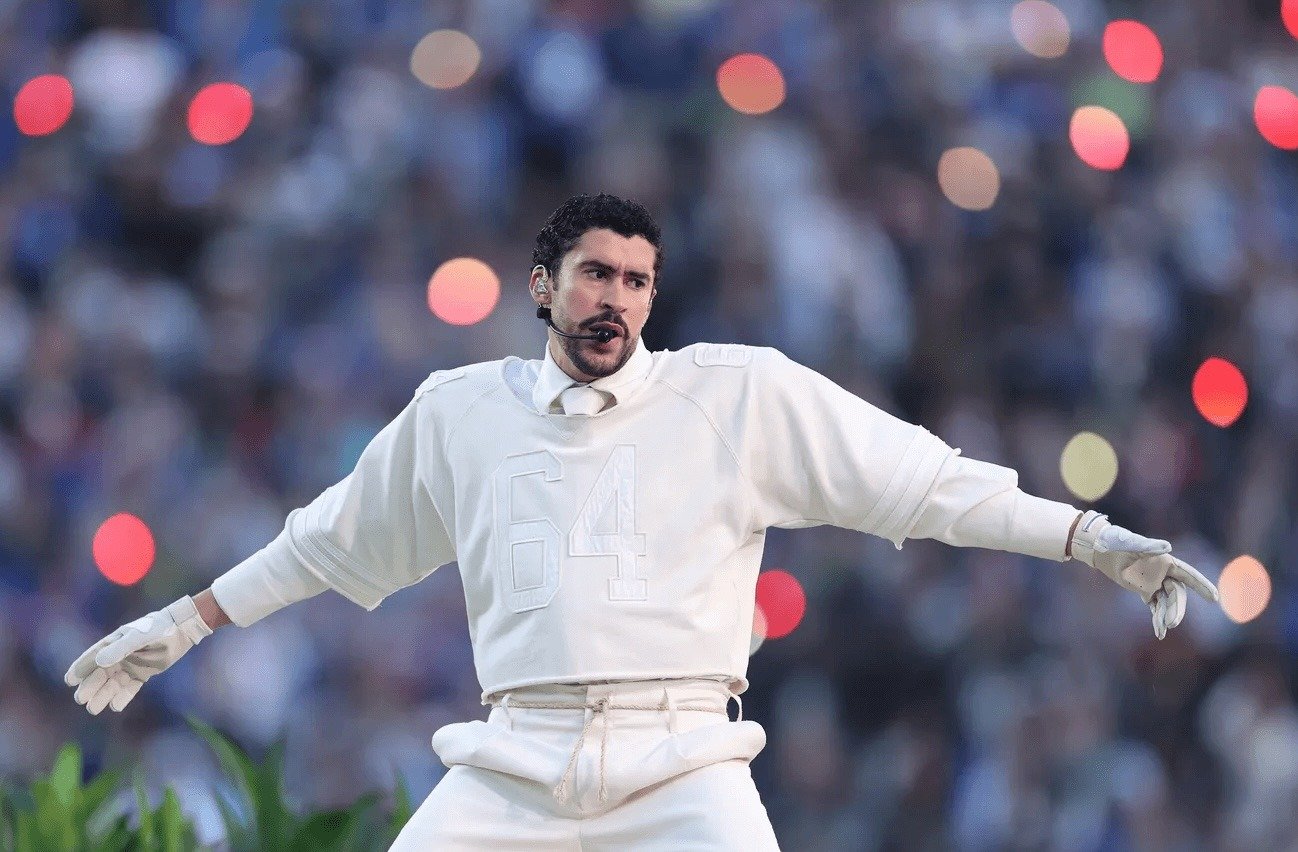
Bad Bunny promised a party — and at Super Bowl LX, he delivered something far bigger.
The Puerto Rican superstar, born Bad Bunny (Benito Antonio Martínez Ocasio), made history as the first solo artist to headline the Super Bowl halftime show in Spanish, transforming the world’s biggest stage into a vivid celebration of Puerto Rican culture, Latin identity, and unity across the Americas.
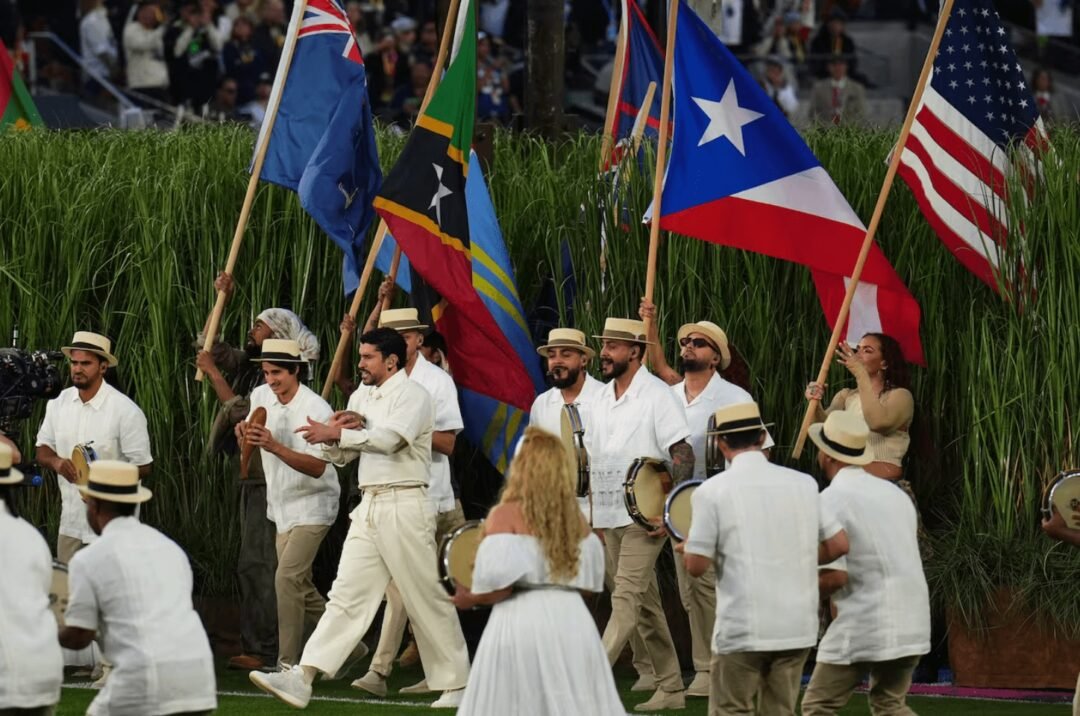
Performing 13 songs in just under 13 minutes, Bad Bunny opened with “Tití Me Preguntó,” strutting across an elaborate set inspired by Puerto Rico — complete with pava hats, domino tables, a nail salon, roadside desserts, and la casita, the traditional Puerto Rican home he dramatically crashed through mid-performance.
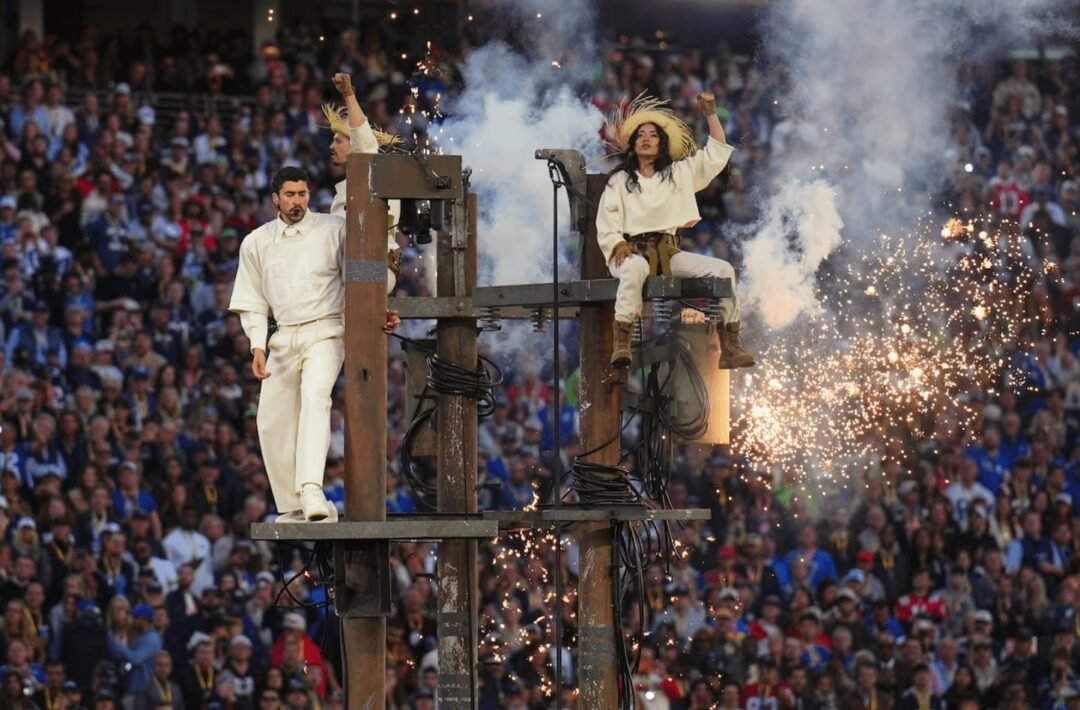
Rather than delivering overt political attacks, Bad Bunny let symbolism do the talking. Songs like “El Apagón”spotlighted real-life issues in Puerto Rico, including blackouts and economic strain, while dancers climbed mock power lines under flashing stadium lights. The performance was deeply rooted in lived experience — not slogans.
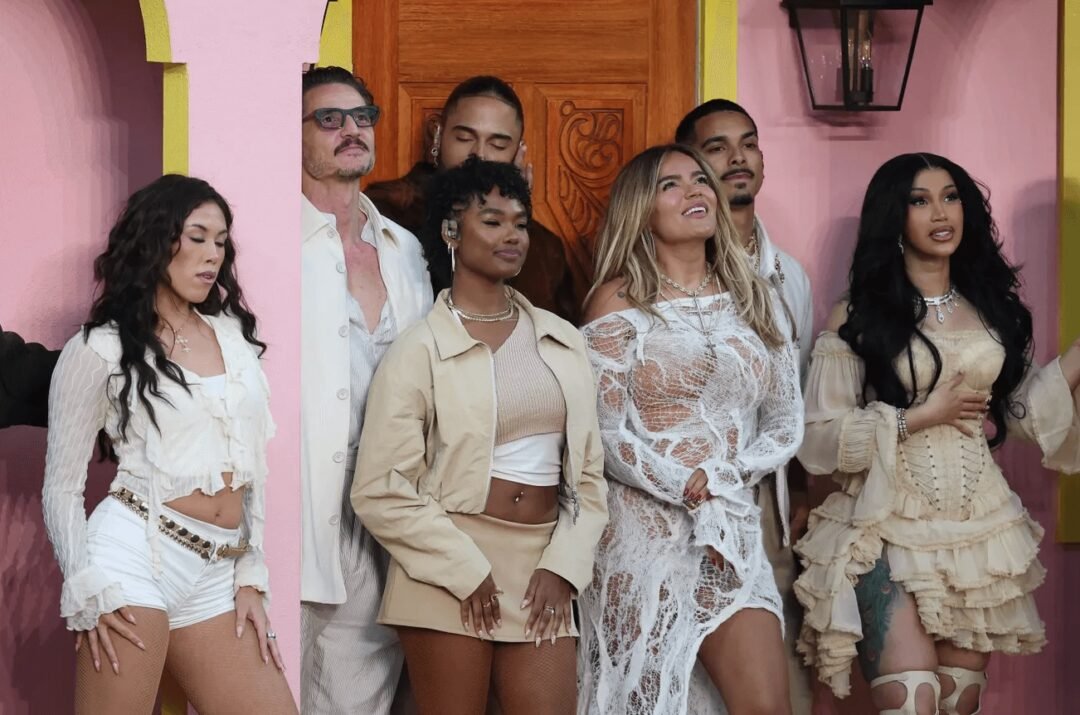
Inside the staged house party, Latin celebrities including Karol G, Jessica Alba, and Pedro Pascal appeared, reinforcing the sense of community and shared heritage.
In classic halftime fashion, Bad Bunny wasn’t alone. Lady Gaga joined him for a salsa-infused moment, dancing alongside Benito during a remix that blended global pop with Latin rhythm. Later, fellow Puerto Rican icon Ricky Martin appeared during a performance addressing gentrification and displacement.
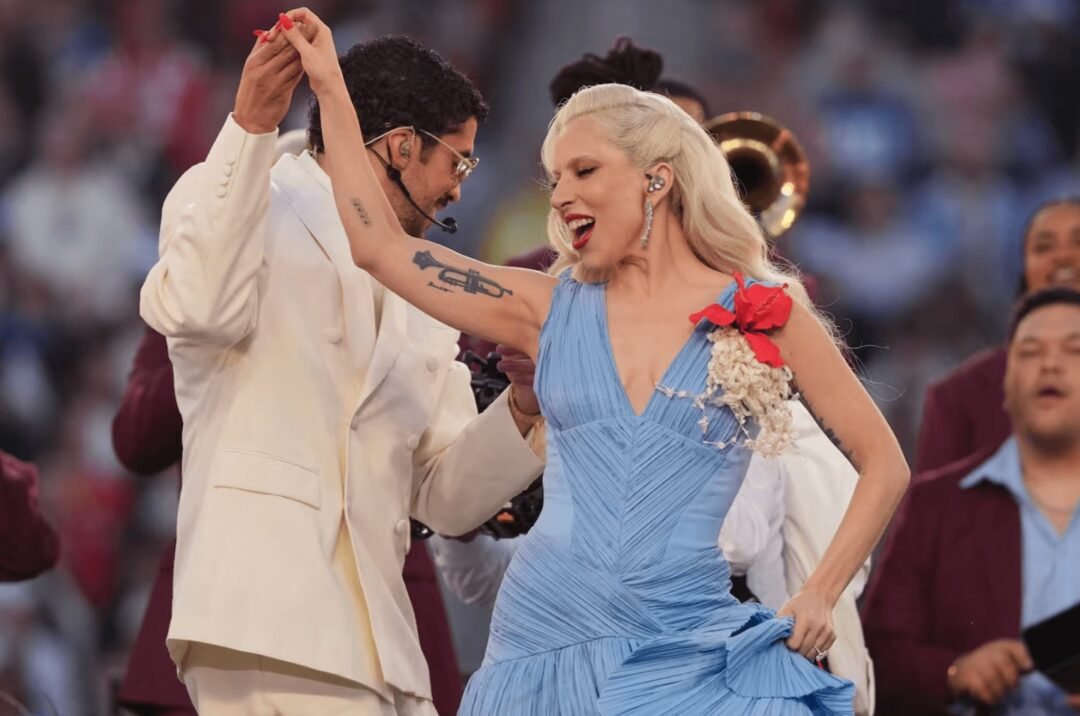
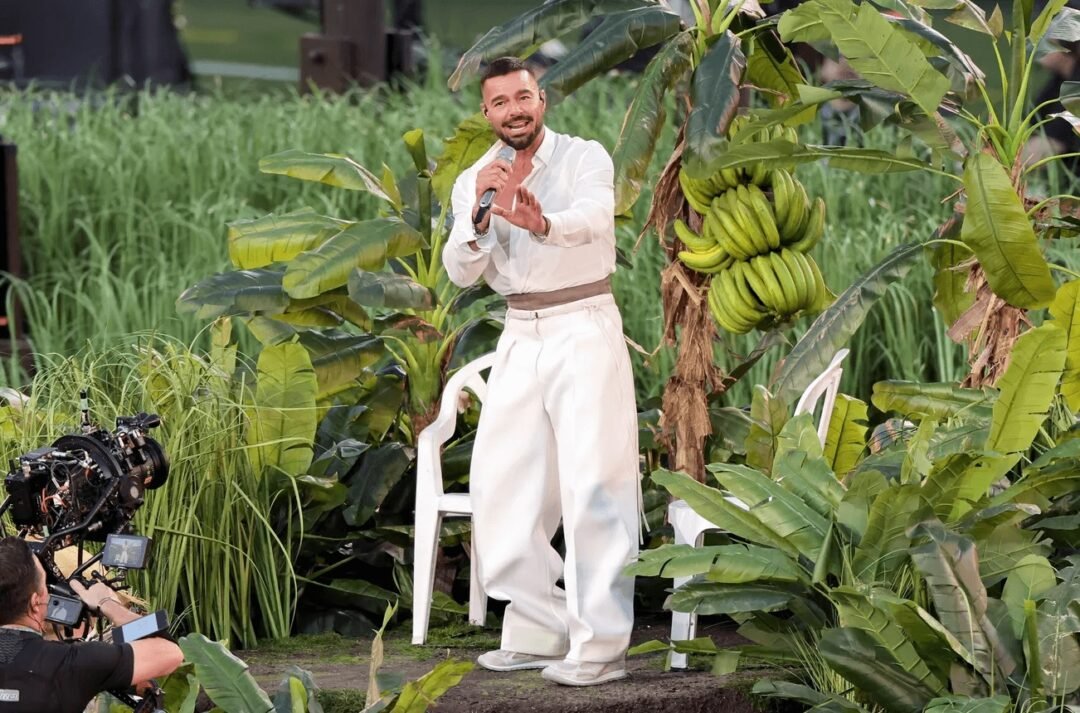
Speculation swirled before the show about whether Bad Bunny would directly call out U.S. politics or immigration enforcement, especially after his outspoken Grammy speeches. Instead, he chose a broader message.
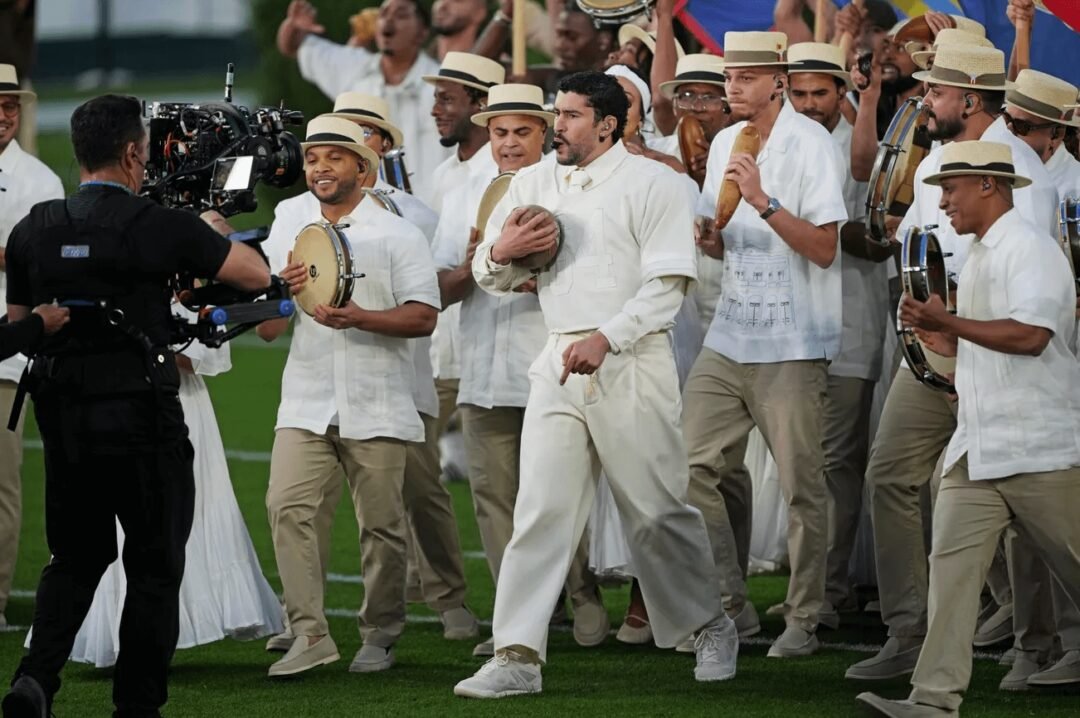
As he closed with DtMF, the title track from his Grammy-winning album DeBÍ TiRAR MáS FOToS, Bad Bunny led flagbearers waving the flags of Latin American nations — including Chile, Argentina, Uruguay, Bolivia, Paraguay, and Canada. Holding a football reading “Together, we are America,” he reminded viewers that America is bigger than borders.
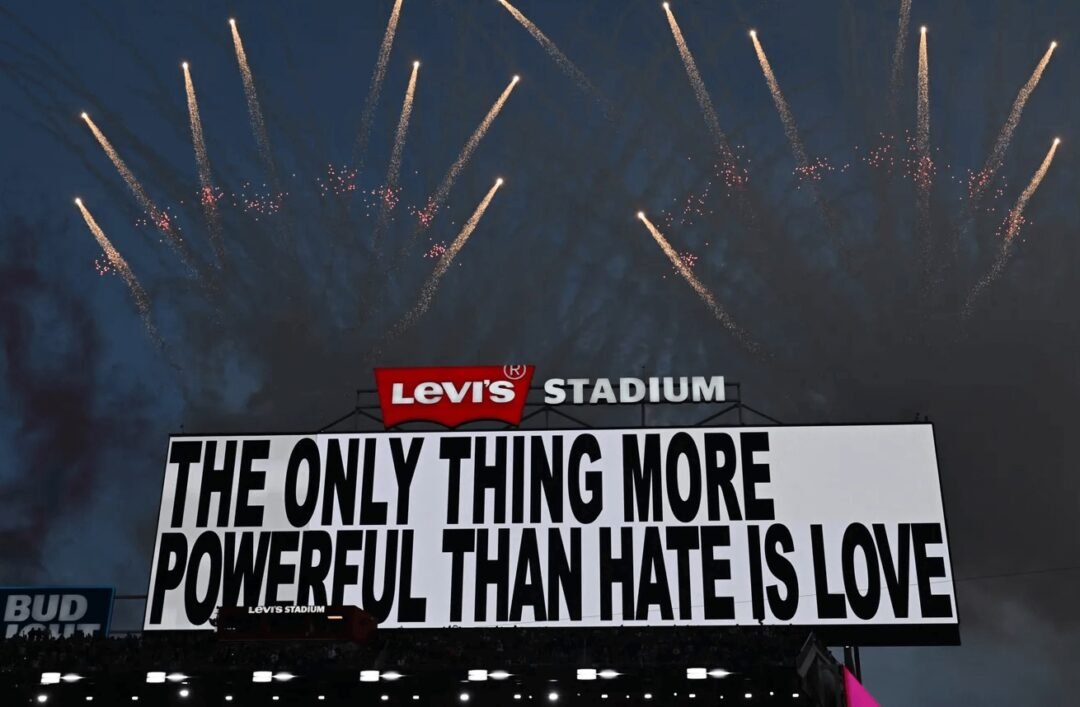
Behind him, a single sentence filled the stadium screen:
“The only thing more powerful than hate is love.”
The halftime show capped a massive run for Bad Bunny. In 2025, he became the most-streamed artist in the world, released a record-breaking album, won Album of the Year at the Grammys, and headlined a residency in Puerto Rico — all before stepping onto the Super Bowl stage.
Love, culture, pride, and representation took precedence over confrontation. And in doing so, Bad Bunny didn’t just perform halftime — he redefined it.
Did you like this article?
Did you like this article?
Toronto is officially ready for the world stage. Major upgrades to BMO Field at Exhibition Place have now been completed ahead of the FIFA World Cup 2026, where the venue will temporarily be known as Toronto Stadium. Delivered through a partnership between the City of...
There’s no easing up when it comes to Lionel Messi — and that’s big news for Toronto. According to Javier Mascherano, resting Messi isn’t part of the plan heading into the 2026 World Cup. The focus is simple: keep him playing, keep him sharp, and manage him in real...
The 2026 World Happiness Report is out, and while Nordic countries continue to dominate, there’s a major moment for Latin America. For the first time ever, Costa Rica has cracked the top five, landing at No. 4 and confirming its rise as one of the happiest places in...

Toronto is officially ready for the world stage. Major upgrades to BMO Field at Exhibition Place have now been completed ahead of the FIFA World Cup 2026, where the venue will temporarily be known...
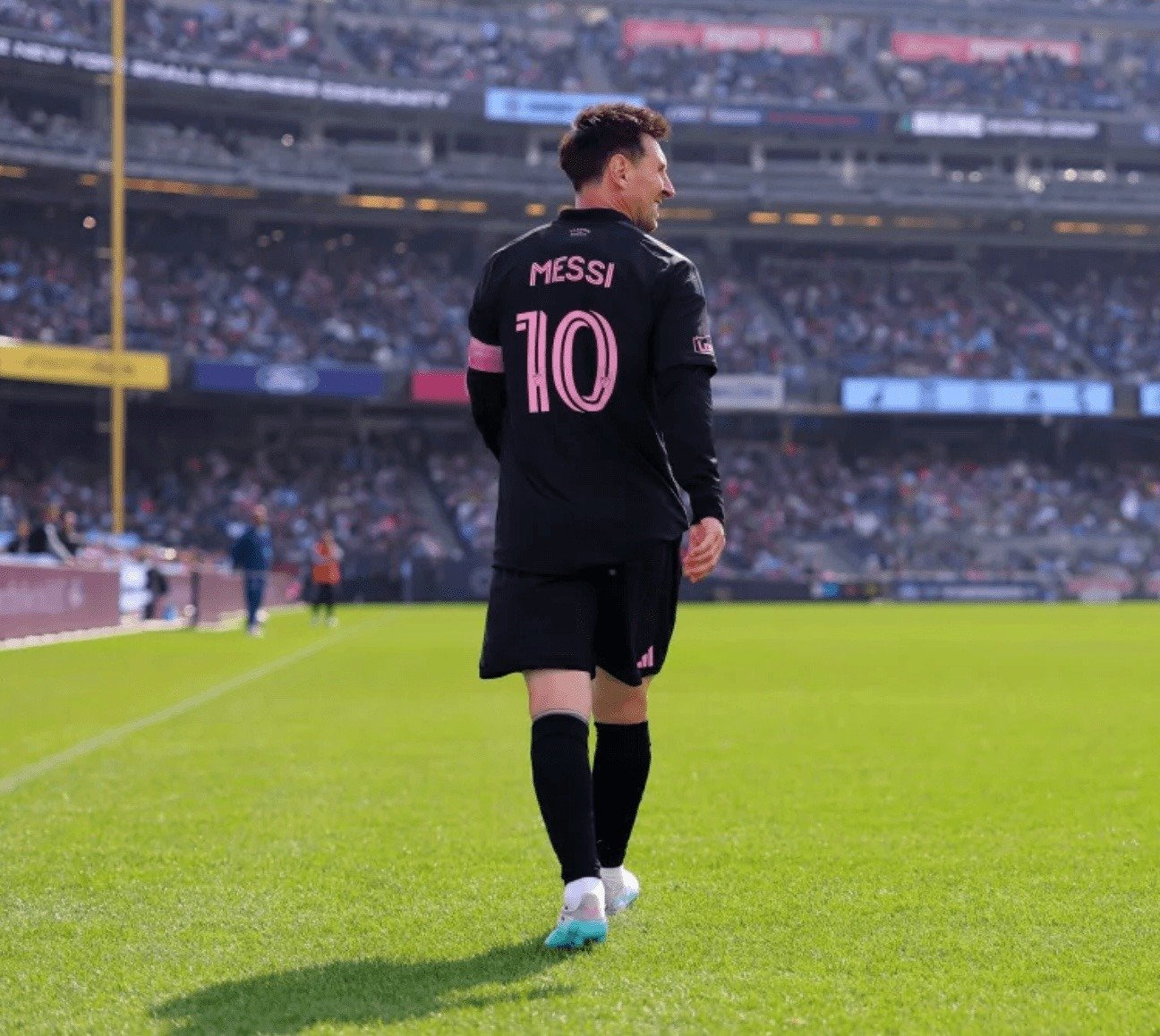
There’s no easing up when it comes to Lionel Messi — and that’s big news for Toronto. According to Javier Mascherano, resting Messi isn’t part of the plan heading into the 2026 World Cup. The focus...

The line between music, culture, and everyday products just got even blurrier — and Karol G is right at the center of it. She’s officially teamed up with Stanley 1913 to launch a limited-edition...

0 Comments