0
Items
$0.00

Dark Mode
 Blogs
Blogs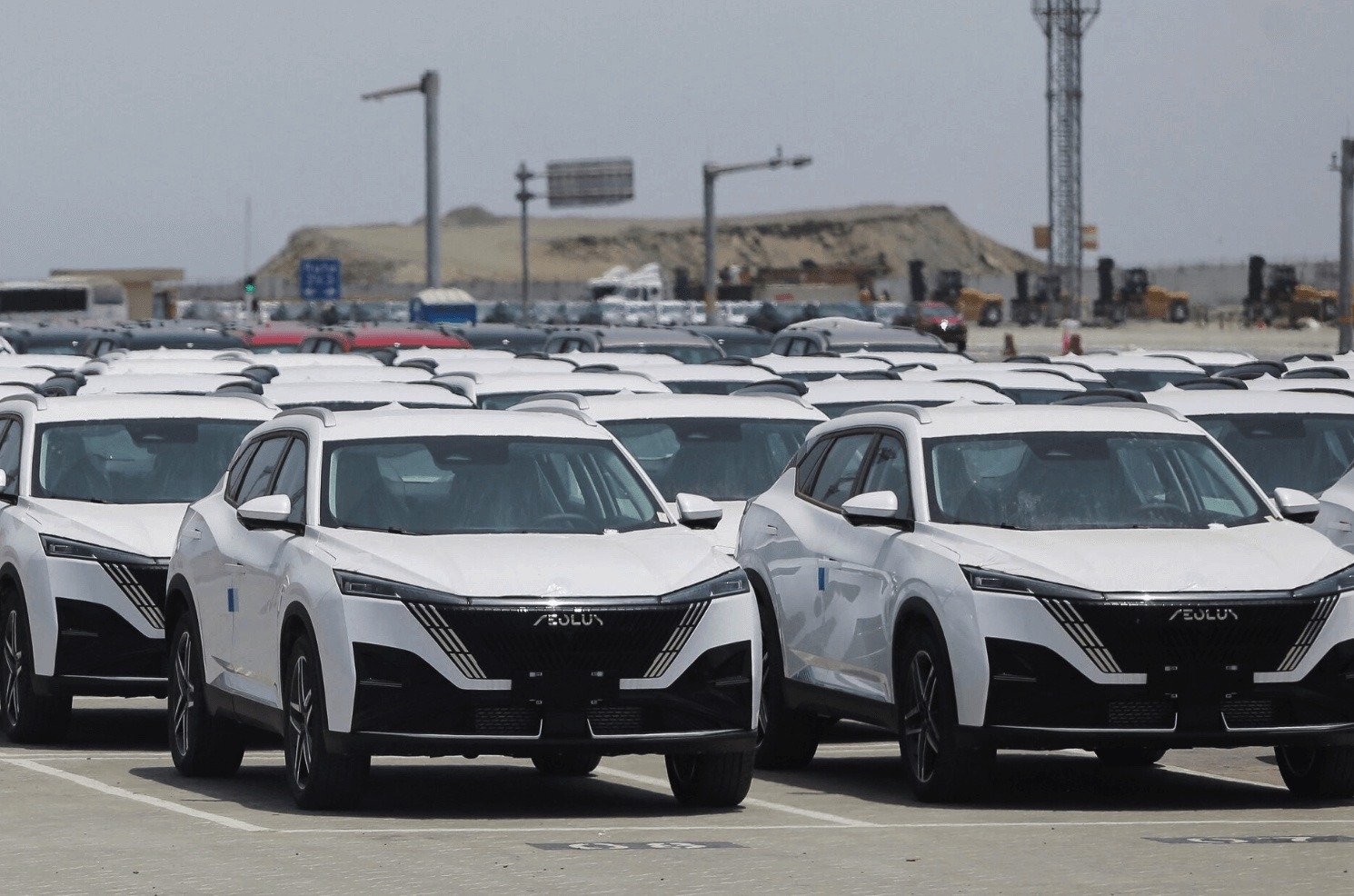
When Peruvian entrepreneur Luis Zwiebach wanted to buy an electric car back in 2019, the journey was anything but simple. He flew more than 6,000 kilometres to California just to test drive a Tesla Model 3 — only to discover Tesla had no official importer in Peru and navigating the country’s vehicle import laws was almost impossible.
Instead of giving up, he found a private seller who had managed to bring one into the country and bought it on the spot.
Charging it, however, was another adventure.
At a beach house outside Lima, the car refused to charge due to improper grounding. The solution? A fork in the soil.
“We literally stuck a fork in the ground to create a ground source,” Zwiebach laughs. “And it worked.”
Fast forward to today, and Peru — along with much of Latin America — is experiencing a quiet electric vehicle revolution, largely driven by Chinese automakers.
Tesla still doesn’t have a showroom in Peru, but Chinese brands like:
BYD
Geely
GWM
Chery
have quickly filled the gap, offering electric vehicles for up to 60% less than a Tesla.
Hybrid and electric vehicle sales in Peru reached 7,256 units in the first nine months of the year — a 44% increase year over year. While EVs are still a small slice of the market, growth is accelerating fast.
Why? A huge factor is the Port of Chancay, a Chinese-built megaport north of Lima that has cut shipping times from Asia in half and turned Peru into a major entry point for Chinese vehicles into the region.
As the U.S. and Europe tighten trade restrictions on Chinese cars, Latin America has become the new frontier.
Here’s how big the shift already is:
Chile: Chinese brands account for nearly 30% of new car sales
Uruguay: Chinese vehicles now hold 22% market share
Brazil: Chinese EV imports are surging, while companies like BYD and GWM have started local production
Argentina: BYD officially entered the market in late 2024
In Uruguay, BYD is now the third-largest car seller overall, trailing only Chevrolet and Hyundai.
One dealer in Punta del Este summed it up best:
“The Chinese struck first — and they struck hard.”
Part of China’s success comes down to pricing.
In Uruguay, a brand-new BYD electric vehicle starts at around $19,000 USD, far cheaper than traditional competitors. Dealers say you can often buy three Chinese pickups for the price of two legacy-brand vehicles.
Manufacturers are also partnering with local banks, offering financing, perks, and even prize draws — making ownership easier than ever.
The Port of Chancay now receives ships carrying between 800 and 1,200 vehicles per shipment. By the end of the year, 19,000 Chinese vehicles are expected to have arrived.
From there, cars are shipped onward to:
Chile
Ecuador
Colombia
Peru is quietly becoming the distribution hub for Chinese electric cars in South America.
Despite the growth, EV adoption still faces real challenges:
Limited charging infrastructure
Long travel distances
Uneven access outside major cities
As Zwiebach points out:
“You can’t easily drive the entire Peruvian coast yet. But the car is cheaper to run, and you barely need a service garage anymore.”
Latin America’s EV market has doubled in penetration, now sitting around 4%, and continues to climb. China’s surplus of vehicles, combined with faster shipping and affordable pricing, has made the region one of the most important growth markets in the world.
What started with a fork in the dirt in Peru is now turning into a full-scale electric revolution across Latin America.
Did you like this article?
Did you like this article?
Désiré Doué delivered a breakout performance, scoring his first senior international goals as France national football teamsecured a confident 3-1 win over Colombia national football team in a friendly match in Maryland. The match wasn’t just big on the pitch—it was...
The “Messi effect” might be pulling in another global superstar. According to renowned journalist Fabrizio Romano, Brazilian midfielder Carlos Casemiro is open to a potential move to Inter Miami CF—and the idea of playing alongside Lionel Messi is a major factor. With...
In a move nobody saw coming—but somehow makes perfect sense—Ye has teamed up with Mexican superstar Peso Pluma on a new track titled “Last Breath.” The collaboration blends Ye’s signature experimental production with Peso Pluma’s raw, melodic delivery, creating a...
The 2026 World Happiness Report is out, and while Nordic countries continue to dominate, there’s a major moment for Latin America. For the first time ever, Costa Rica has cracked the top five,...
There’s a growing story coming out of Nicaragua — and it’s raising serious global concern. The country is now exporting over 11,000 exotic animals per month, a massive spike compared to previous...
China has dispatched a major shipment of 60,000 tons of rice to Cuba, reinforcing its ongoing support for the island as it faces economic pressure and food shortages. The shipment, announced by the...


0 Comments