0
Items
$0.00

Dark Mode
 Blogs
Blogs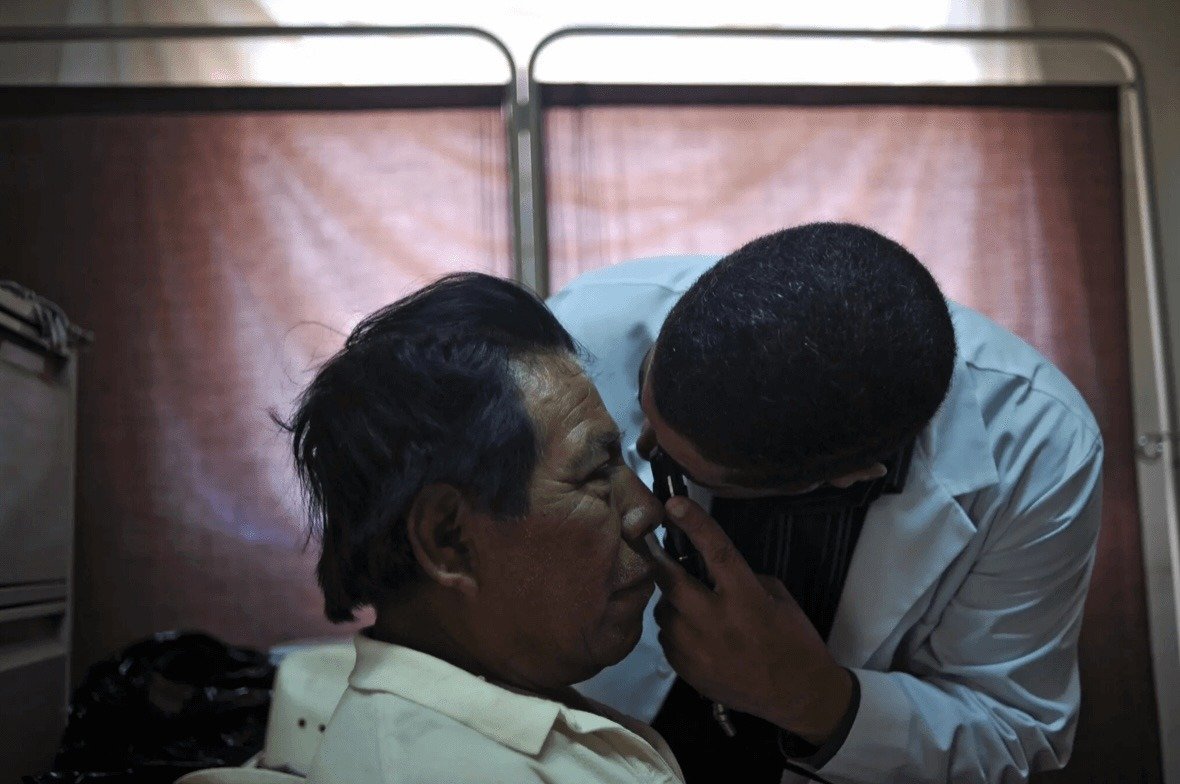
Guatemala has announced it will begin phasing out its nearly 30-year-old Cuban medical brigade program — a move that signals shifting geopolitical winds across Latin America.
The Guatemalan Health Ministry confirmed that the current brigade includes 412 Cuban medical workers, among them 333 doctors serving rural and underserved communities. Officials say the withdrawal will happen gradually as contracts conclude, framing the decision as part of a “technical analysis” to strengthen Guatemala’s national healthcare system.
But the political backdrop is impossible to ignore.
Under President Bernardo Arévalo, Guatemala has moved closer to Washington — signing trade agreements, accepting increased deportation flights, and cooperating on security issues. At the same time, the Trump administration has intensified pressure on countries hosting Cuban medical missions, arguing that the program financially benefits the Cuban government while underpaying doctors abroad.
Several countries — including Paraguay, the Bahamas, and Guyana — have already ended similar agreements.
For Guatemala, however, the impact could be significant. Cuban doctors have long staffed remote Indigenous and low-income communities where local physicians are scarce. Critics warn that removing them could strain already fragile healthcare services.
For Cuba, the medical brigades generate billions annually and serve as a critical source of foreign income.
This isn’t just a healthcare shift — it’s another chapter in the evolving political chessboard of the Americas.
Did you like this article?
Did you like this article?
Toronto is officially ready for the world stage. Major upgrades to BMO Field at Exhibition Place have now been completed ahead of the FIFA World Cup 2026, where the venue will temporarily be known as Toronto Stadium. Delivered through a partnership between the City of...
There’s no easing up when it comes to Lionel Messi — and that’s big news for Toronto. According to Javier Mascherano, resting Messi isn’t part of the plan heading into the 2026 World Cup. The focus is simple: keep him playing, keep him sharp, and manage him in real...
The 2026 World Happiness Report is out, and while Nordic countries continue to dominate, there’s a major moment for Latin America. For the first time ever, Costa Rica has cracked the top five, landing at No. 4 and confirming its rise as one of the happiest places in...
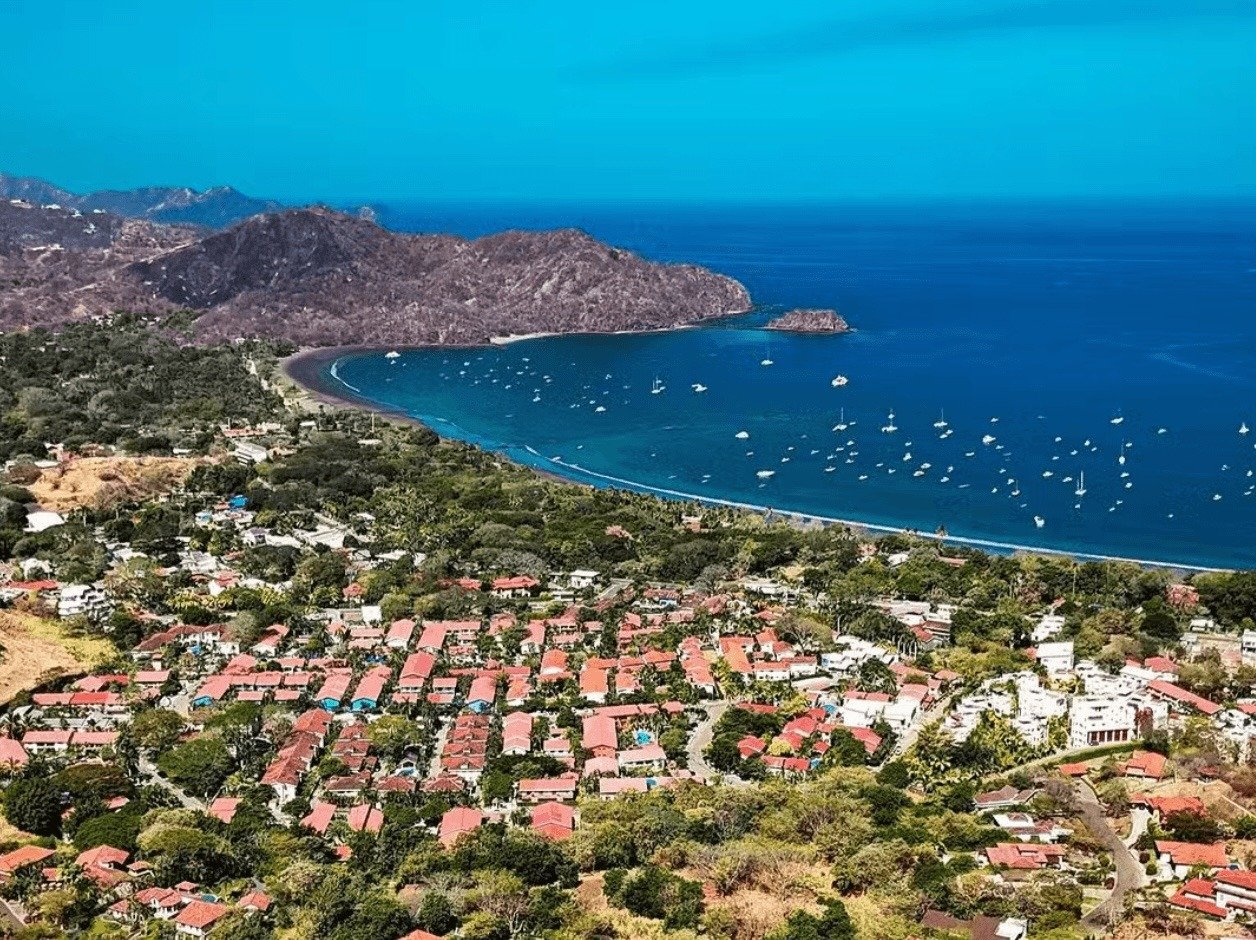
The 2026 World Happiness Report is out, and while Nordic countries continue to dominate, there’s a major moment for Latin America. For the first time ever, Costa Rica has cracked the top five,...
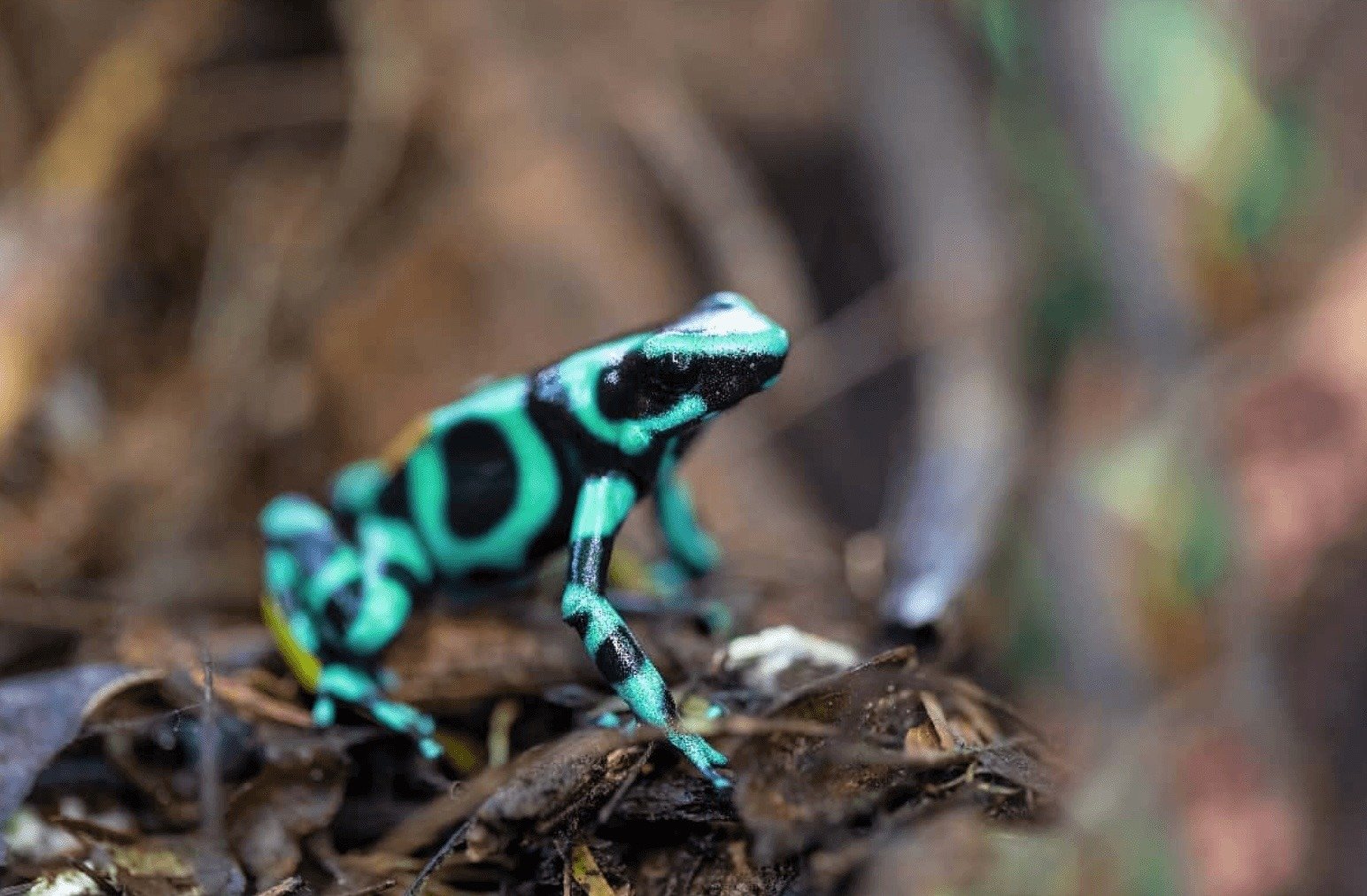
There’s a growing story coming out of Nicaragua — and it’s raising serious global concern. The country is now exporting over 11,000 exotic animals per month, a massive spike compared to previous...
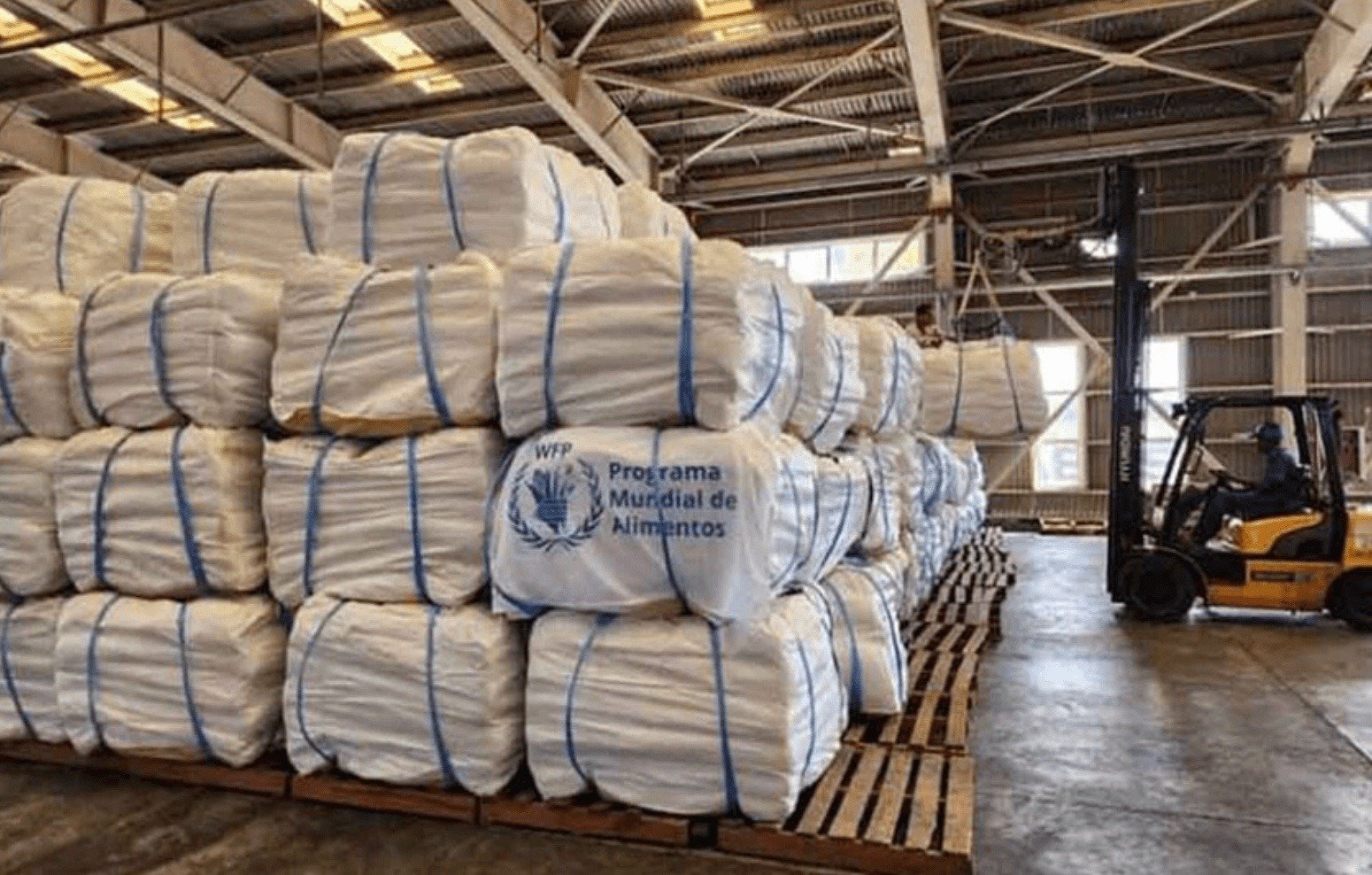
China has dispatched a major shipment of 60,000 tons of rice to Cuba, reinforcing its ongoing support for the island as it faces economic pressure and food shortages. The shipment, announced by the...


0 Comments