0
Items
$0.00

Dark Mode
 Blogs
Blogs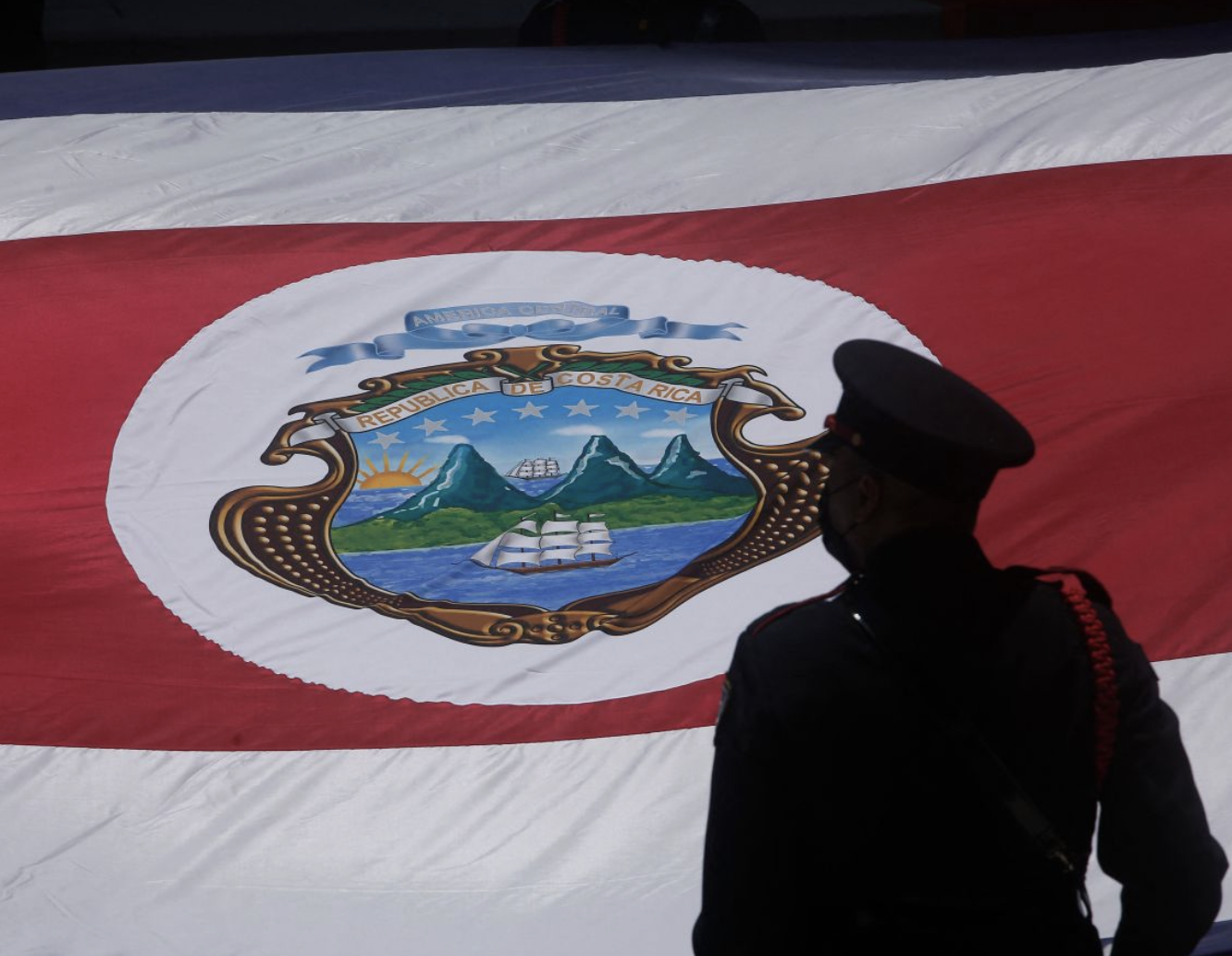
TORONTO (Barrio) – It’s been a rough start for the newly elected Costa Rica president Rodrigo Chaves, who less than a week into office declared his country “at war” with the Conti ransomware gang.
“We’re at war,” Chaves told local media. “The war is against an international terrorist group, which apparently has operatives in Costa Rica. There are very clear indications that people inside the country are collaborating with Conti.”
Conti’s assault on the Costa Rican government began in April. The country’s Finance Ministry was the first hit by the Russia-linked hacking group, and in a statement on May 16, Chaves said the number of institutions impacted had since grown to 27. This, he admitted, means civil servants wouldn’t be paid on time and will impact the country’s foreign trade.
In a message posted to its dark web leaks blog, Conti urged the citizens of Costa Rica to pressure their government to pay the ransom, which the group doubled from an initial $10 million to $20 million. In a separate statement, the group warned: “We are determined to overthrow the government by means of a cyber attack, we have already shown you all the strength and power.”
Conti is among the most prolific hacking groups. The FBI warned earlier this year that the gang was among “the three top variants” that targeted businesses in the United States, and it has been blamed for ransomware attacks targeting dozens of businesses, including Fat Face, Shutterfly and the Irish healthcare service.
Some believe that Conti’s campaign against Costa Rica is motivated for siding with Ukraine. Experts say all signs point to money.
Chaves has repeatedly blamed the attack on his predecessor, former president Carlos Alvarado, for not investing in cybersecurity. While it’s unclear exactly what measures the country had implemented to protect against cyberattacks, Jorge Mora, the country’s director of digital governance, recently said that four million hacking attempts were recently blocked thanks to “protection systems” installed across institutions.
But it’s more likely that Costa Rica was just unlucky and targeted as part of a wider operation rather than due to any perceived weakness.
In a message posted to its dark web blog over the weekend, Conti claimed it had “insiders in [the Costa Rican] government,” which could go some way to explaining why the country became a target, or why the attack had such a devastating impact. This claim was echoed by President Chaves earlier this week, saying “there are very clear indications that people within the country are collaborating with Conti.”
Conti’s attack against Costa Rica is ongoing. In a post on Friday, Conti said it will delete the encryption keys used to lock Costa Rica’s government systems on May 23. As of the time of writing, Costa Rica’s government has refused to give in to Conti’s ransom demands.
Source: TechCrunch
Did you like this article?
Did you like this article?
In a moment that felt like a preview of World Cup fever, Mexico City made history by hosting the largest football class ever recorded. More than 9,500 people filled the iconic Zócalo for a 40-minute массов training session, smashing the previous Guinness World Record...
Feid is entering a defining chapter of his career — and it’s all about identity, control, and evolution. After earning a Grammy nomination for FERXXO VOL X: Sagrado, a fully self-produced album he describes as “overwhelming and stressful,” Feid took a step back to...
If you’re tapped into reggaeton, you already know the name — Nio Garcia is one of the voices behind some of the biggest Latin hits of the last decade. Born in Puerto Rico, Nio first broke through as part of Flow La Movie’s camp and quickly built a global following...
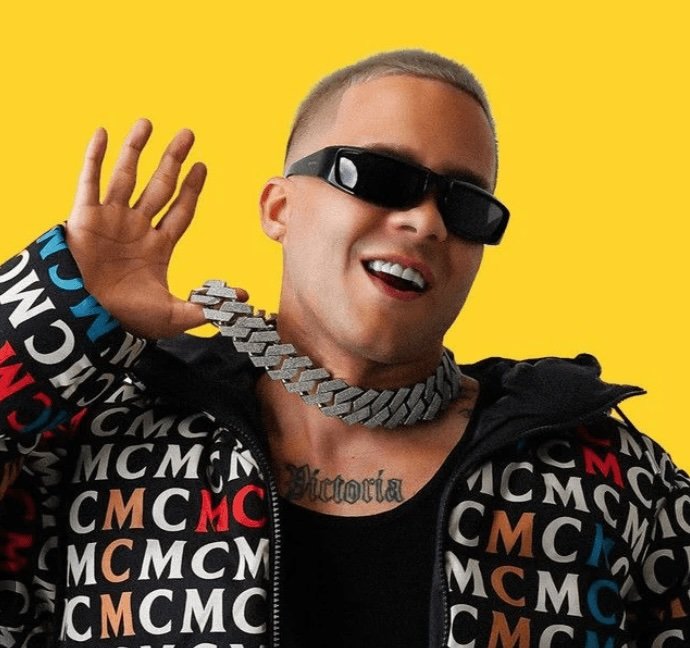
If you’re tapped into reggaeton, you already know the name — Nio Garcia is one of the voices behind some of the biggest Latin hits of the last decade. Born in Puerto Rico, Nio first broke through as...
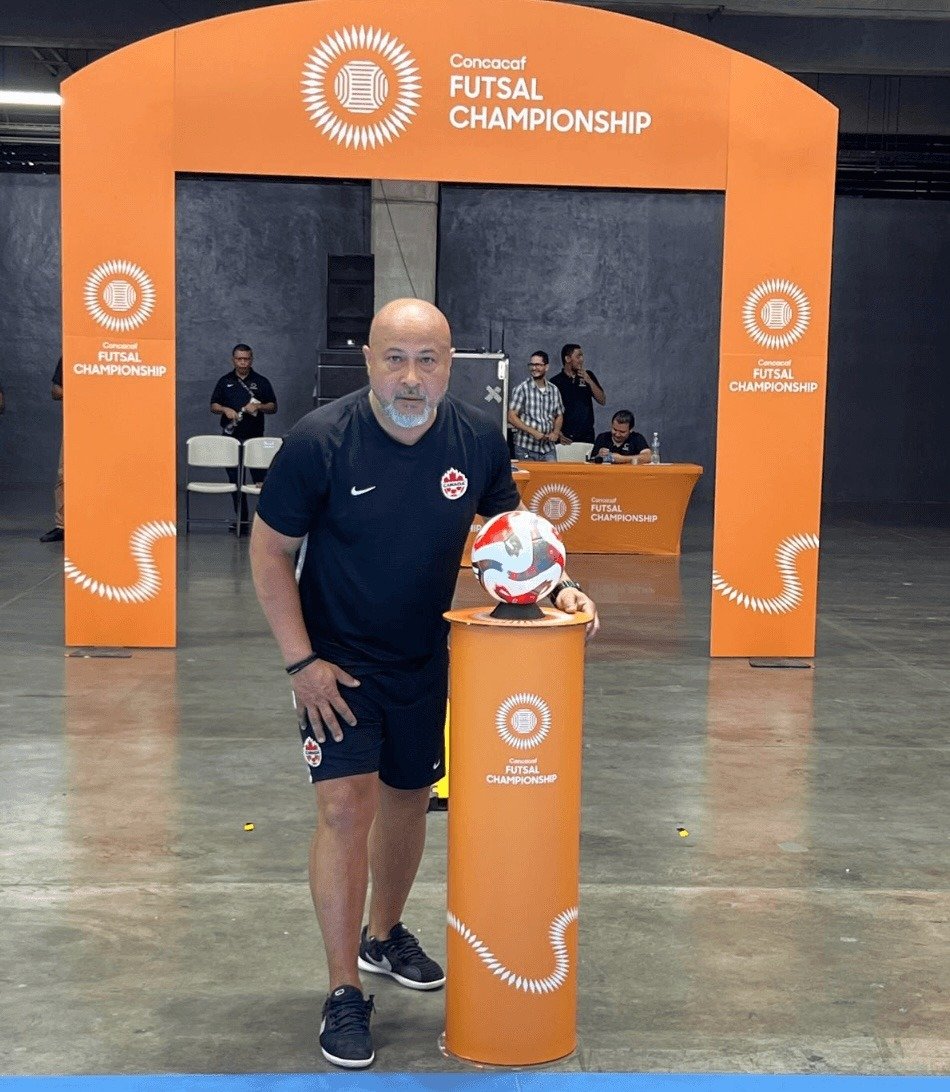
March 2026 Feature At Toronto Latinos, our community is full of inspiring people doing incredible things in sports, business, culture, and leadership. That’s why we’re excited to introduce a new...
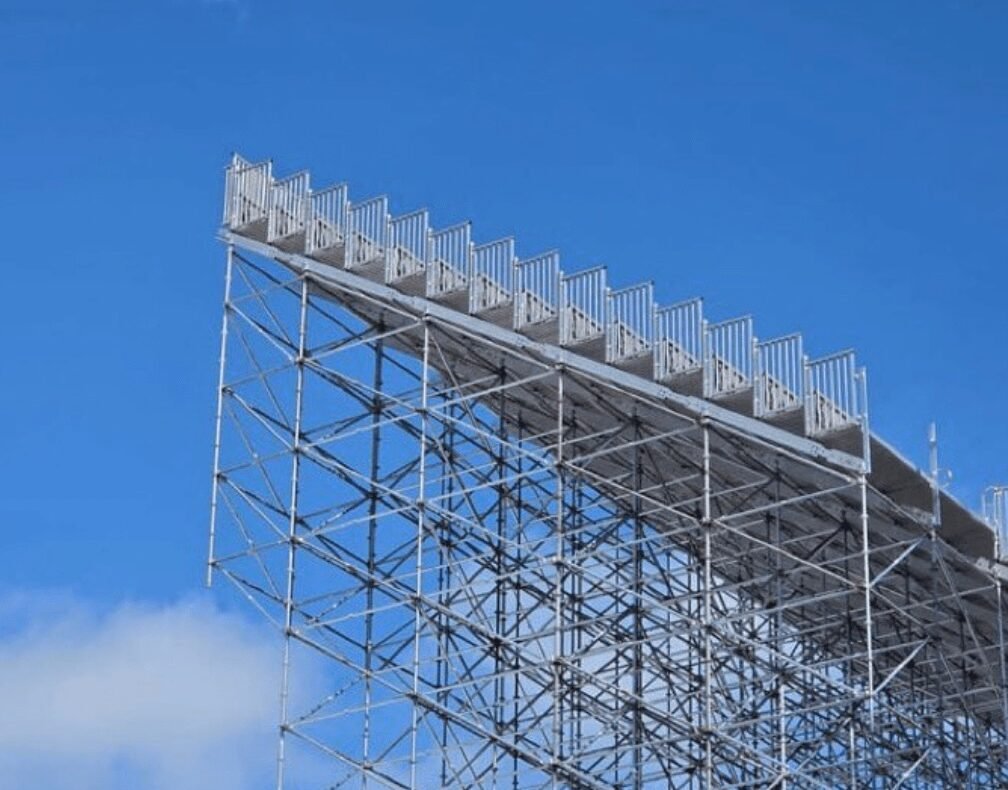
With the 2026 FIFA World Cup around the corner, BMO Field is getting a massive upgrade — but not everyone is sold on how it looks. The stadium is expanding from about 28,000 to 45,000 seats, thanks...


0 Comments