0
Items
$0.00

Dark Mode
 Blogs
Blogs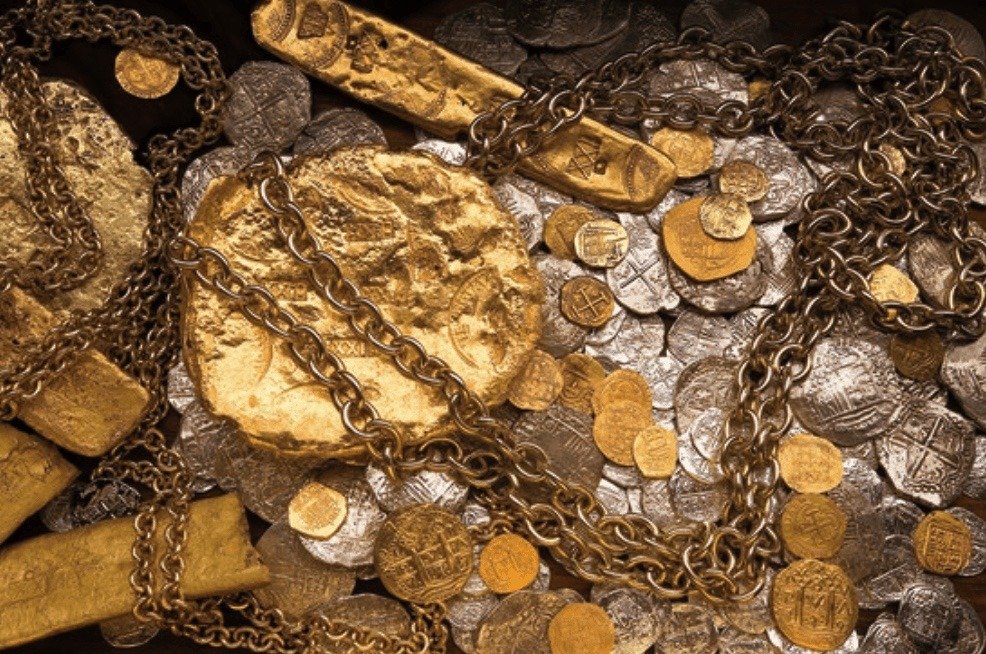
Colombia is once again in the global spotlight after recovering historic artifacts from what many experts have dubbed the “holy grail of shipwrecks” — the legendary Spanish warship San José.
More than 300 years after the vessel sank in Caribbean waters, Colombian authorities have recovered gold and bronze coins, a porcelain cup, and even a cannon from the wreck, offering the first physical glimpse into one of history’s most valuable lost treasure ships.
The San José was a Spanish galleon that went down in 1708 during a naval battle with the British Royal Navy, amid the War of the Spanish Succession. At the time, the ship was transporting massive royal cargo from Spanish colonies in Latin America back to Spain — including gold, silver, and emeralds believed today to be worth billions of dollars.
Because of its legendary cargo and long-lost mystery, the ship has earned the nickname: the holy grail of shipwrecks.
The recovery is not without controversy.
The Colombian government says it officially located the San José in 2015 with the help of international scientists. However, a US-based marine salvage company, Sea Search-Armada (SSA) — formerly known as Glocca Morra — claims it discovered the wreck back in the early 1980s.
SSA has filed a legal case with the Permanent Court of Arbitration, arguing it is entitled to roughly $10 billion USD, or about half of the ship’s estimated treasure value.
Officials say the recovery isn’t about profit — it’s about history.
Colombian Culture Minister Yannai Kadamani Fonrodona called the find a “historic event” that shows Colombia’s growing ability to protect its underwater cultural heritage.
Meanwhile, Alhena Caicedo Fernández, director of Colombia’s Institute of Anthropology and History, said the discovery gives citizens a rare chance to connect directly with the country’s colonial and maritime past through real, tangible artifacts.
The recovered items were brought up using underwater robotic technology. They’ll now undergo a long and delicate conservation process in a specialized laboratory, while historians and archaeologists study them to better understand:
European economics in the 1700s
Colonial trade routes
Maritime warfare of the Spanish Empire
Historical records show the San José was part of the Flota de Tierra Firme fleet, which departed from Peru in 1707 packed with royal cargo destined for the Spanish crown.
It never reached Spain.
Instead, it sank off the coast of what is now Colombia after battle — leaving behind a mystery that took more than three centuries to begin unraveling.
Did you like this article?
Did you like this article?
Désiré Doué delivered a breakout performance, scoring his first senior international goals as France national football teamsecured a confident 3-1 win over Colombia national football team in a friendly match in Maryland. The match wasn’t just big on the pitch—it was...
The “Messi effect” might be pulling in another global superstar. According to renowned journalist Fabrizio Romano, Brazilian midfielder Carlos Casemiro is open to a potential move to Inter Miami CF—and the idea of playing alongside Lionel Messi is a major factor. With...
In a move nobody saw coming—but somehow makes perfect sense—Ye has teamed up with Mexican superstar Peso Pluma on a new track titled “Last Breath.” The collaboration blends Ye’s signature experimental production with Peso Pluma’s raw, melodic delivery, creating a...
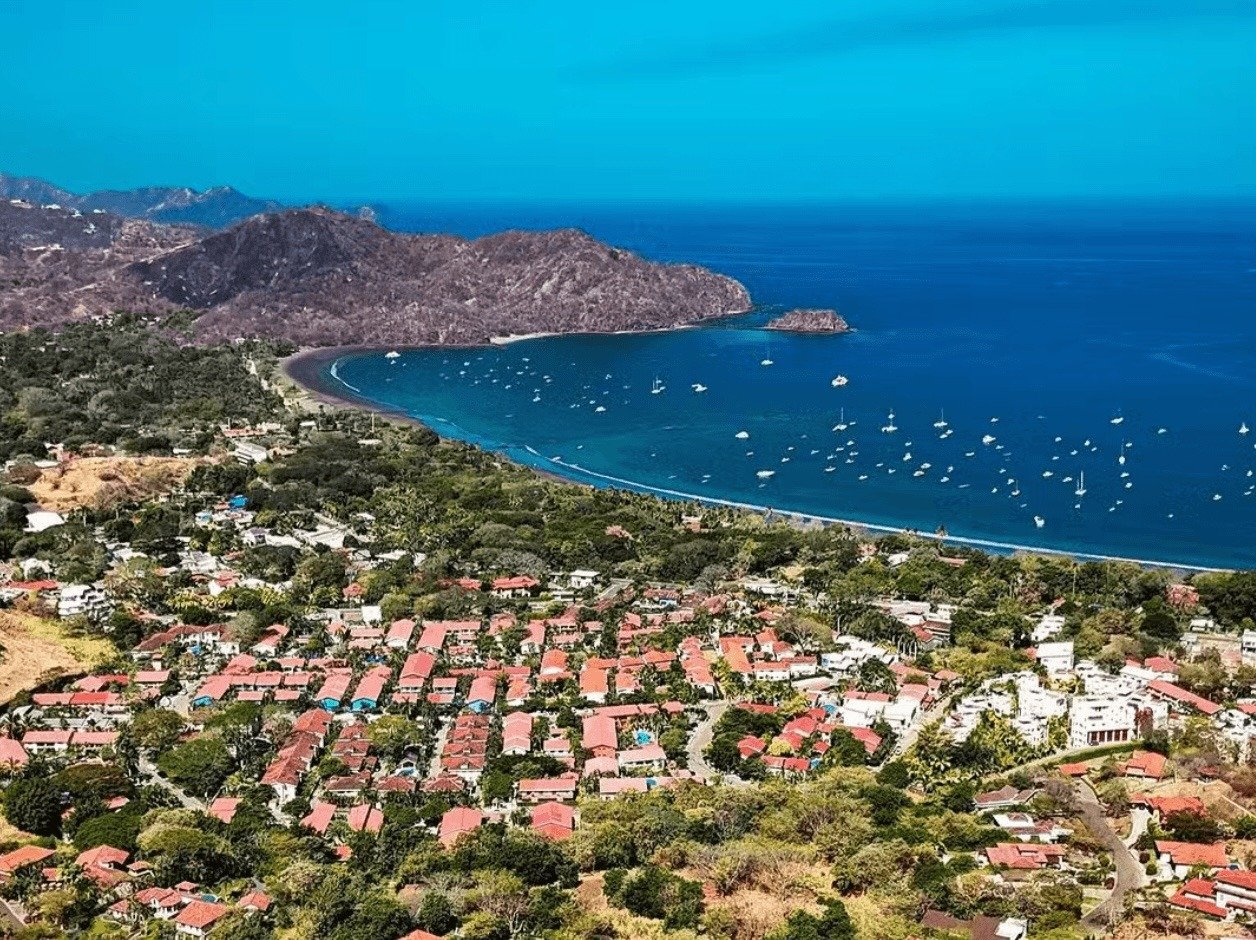
The 2026 World Happiness Report is out, and while Nordic countries continue to dominate, there’s a major moment for Latin America. For the first time ever, Costa Rica has cracked the top five,...
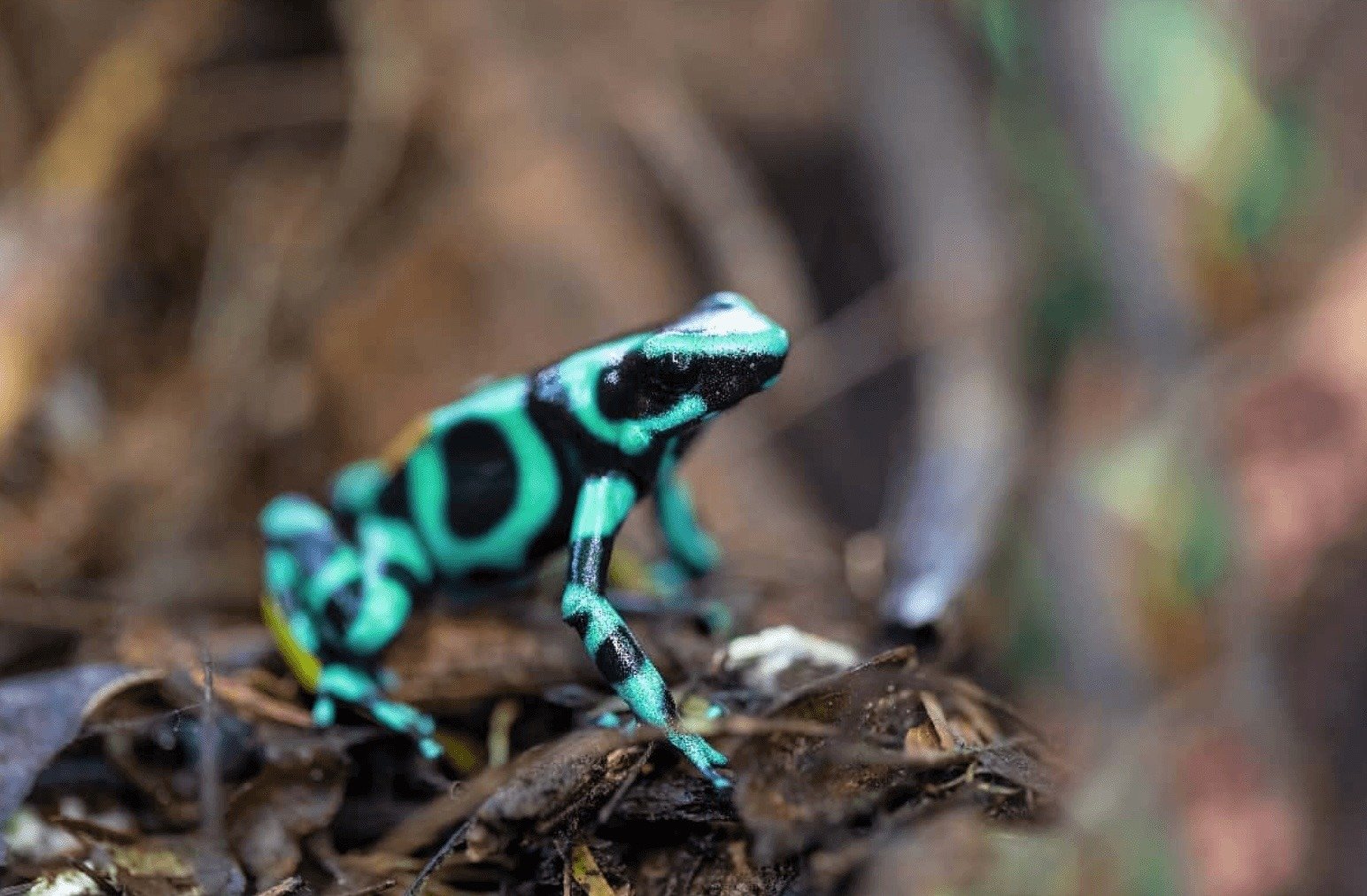
There’s a growing story coming out of Nicaragua — and it’s raising serious global concern. The country is now exporting over 11,000 exotic animals per month, a massive spike compared to previous...

China has dispatched a major shipment of 60,000 tons of rice to Cuba, reinforcing its ongoing support for the island as it faces economic pressure and food shortages. The shipment, announced by the...


0 Comments