0
Items
$0.00

Dark Mode
 Blogs
Blogs
Chile is heading into a tense presidential runoff, and depending on who you ask, the country is either in serious decline or finally moving forward. Years of rising crime, increased migration, social unrest, and a slowing economy have left many Chileans nostalgic for what they see as a safer, more stable past — and that frustration is fueling support for far-right candidate José Antonio Kast.
Kast, a former lawmaker, is running on a tough-on-crime platform, promising mass deportations, stronger police powers, and major cuts to government spending. His message is resonating with voters who feel unsafe and fed up, especially after high-profile thefts and gang violence. With fears around immigration and organized crime dominating the conversation, Kast has positioned himself as the “law and order” candidate — and is widely expected to win.
On the other side is Jeannette Jara, a left-wing labor leader and former minister under President Gabriel Boric. Her supporters argue Chile has made real progress, pointing to higher wages, improved pensions, and labor reforms that made life fairer for working people. They also see her as a safeguard against the rise of far-right politics seen across the globe.
But Jara faces steep odds. Her association with the Communist Party scares moderate voters, and Boric’s low approval ratings haven’t helped. As Chileans prepare to vote, the election has become less about policy and more about two very different visions of the country’s future — one driven by fear and force, the other by reform and rights.
Either way, Sunday’s result could reshape Chile for years to come.
Did you like this article?
Did you like this article?
There’s no easing up when it comes to Lionel Messi — and that’s big news for Toronto. According to Javier Mascherano, resting Messi isn’t part of the plan heading into the 2026 World Cup. The focus is simple: keep him playing, keep him sharp, and manage him in real...
The 2026 World Happiness Report is out, and while Nordic countries continue to dominate, there’s a major moment for Latin America. For the first time ever, Costa Rica has cracked the top five, landing at No. 4 and confirming its rise as one of the happiest places in...
There’s a growing story coming out of Nicaragua — and it’s raising serious global concern. The country is now exporting over 11,000 exotic animals per month, a massive spike compared to previous years. What might sound like a niche trade is actually becoming a major...
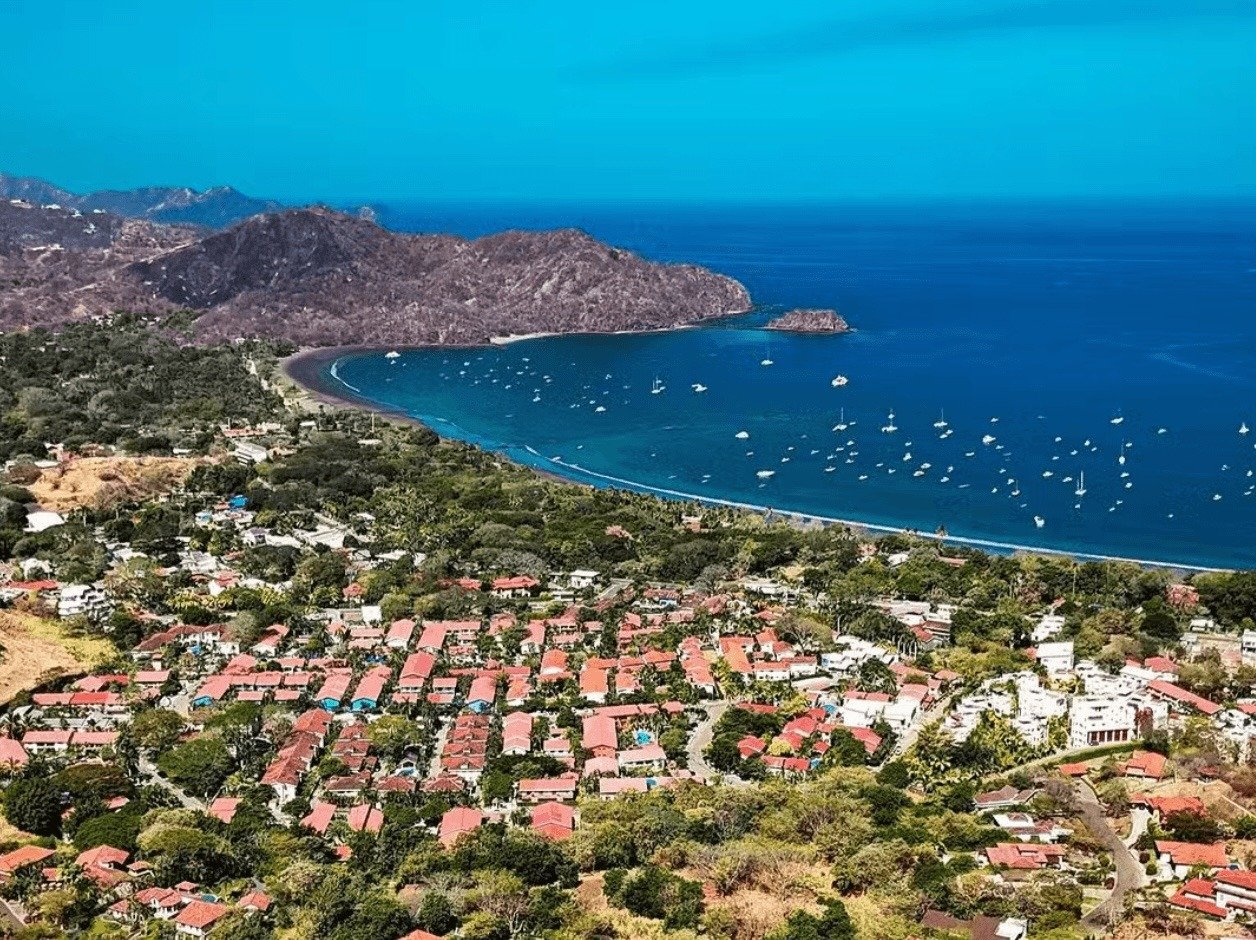
The 2026 World Happiness Report is out, and while Nordic countries continue to dominate, there’s a major moment for Latin America. For the first time ever, Costa Rica has cracked the top five,...
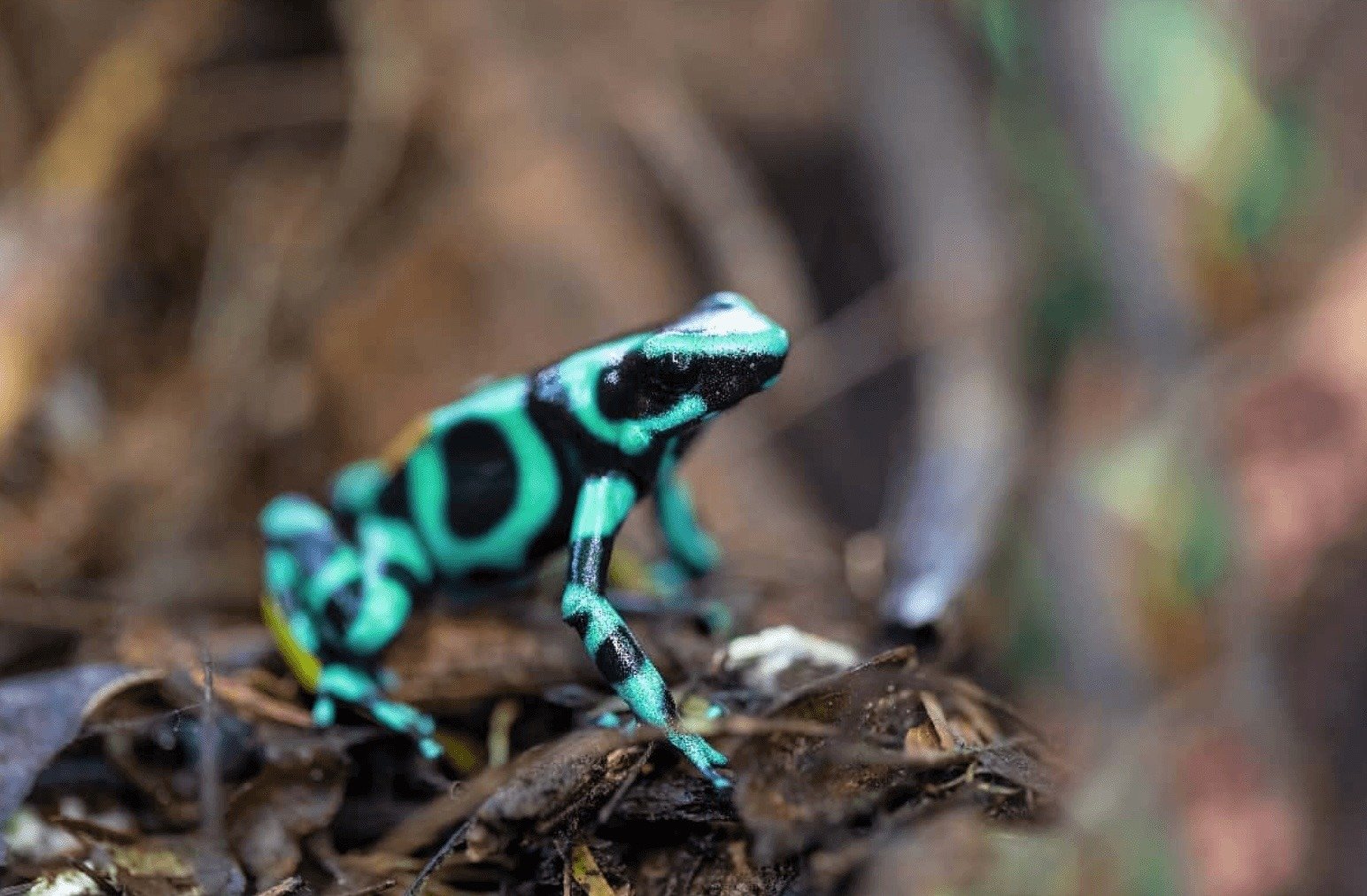
There’s a growing story coming out of Nicaragua — and it’s raising serious global concern. The country is now exporting over 11,000 exotic animals per month, a massive spike compared to previous...
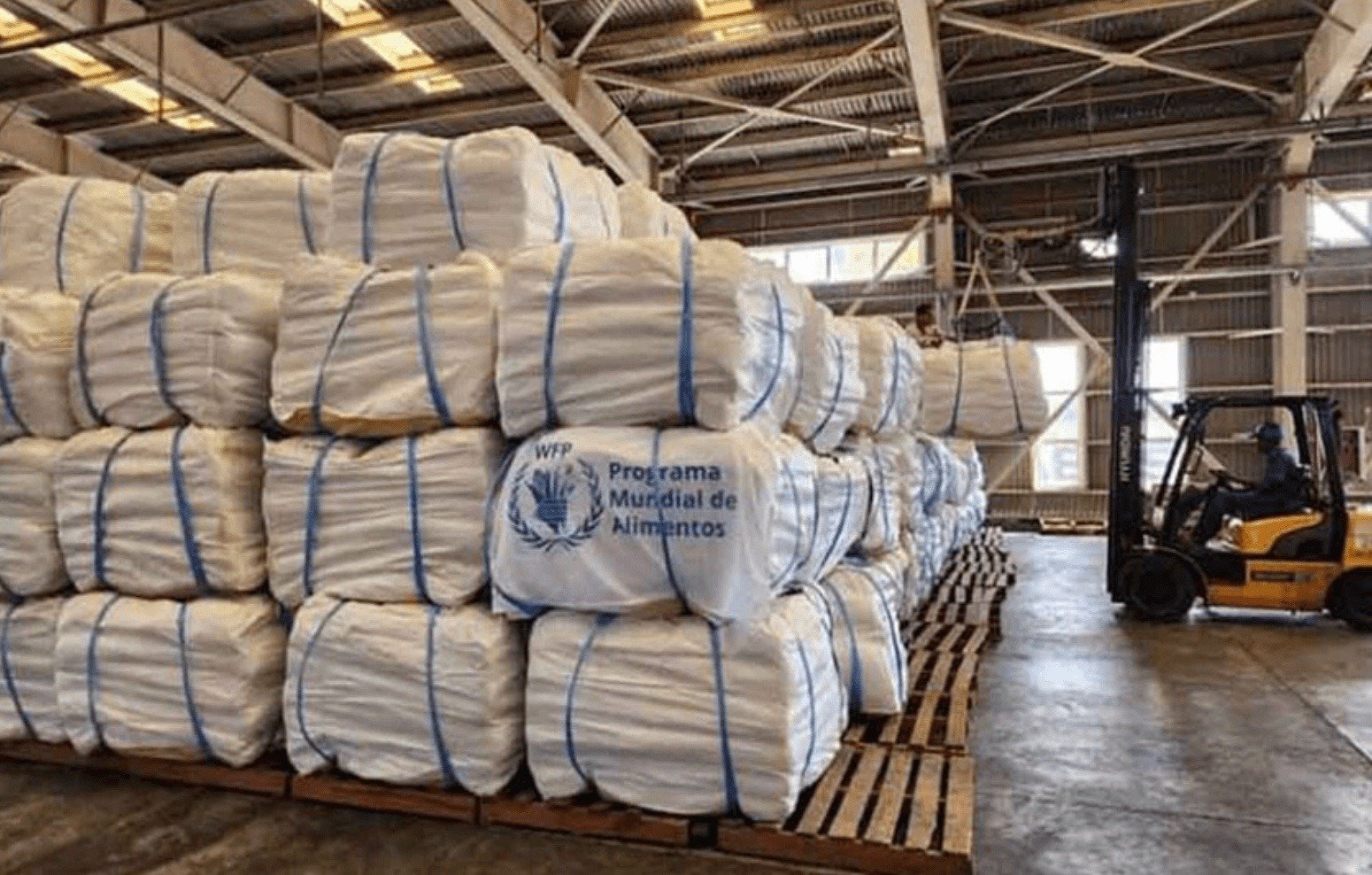
China has dispatched a major shipment of 60,000 tons of rice to Cuba, reinforcing its ongoing support for the island as it faces economic pressure and food shortages. The shipment, announced by the...


0 Comments