0
Items
$0.00

Dark Mode
 Blogs
Blogs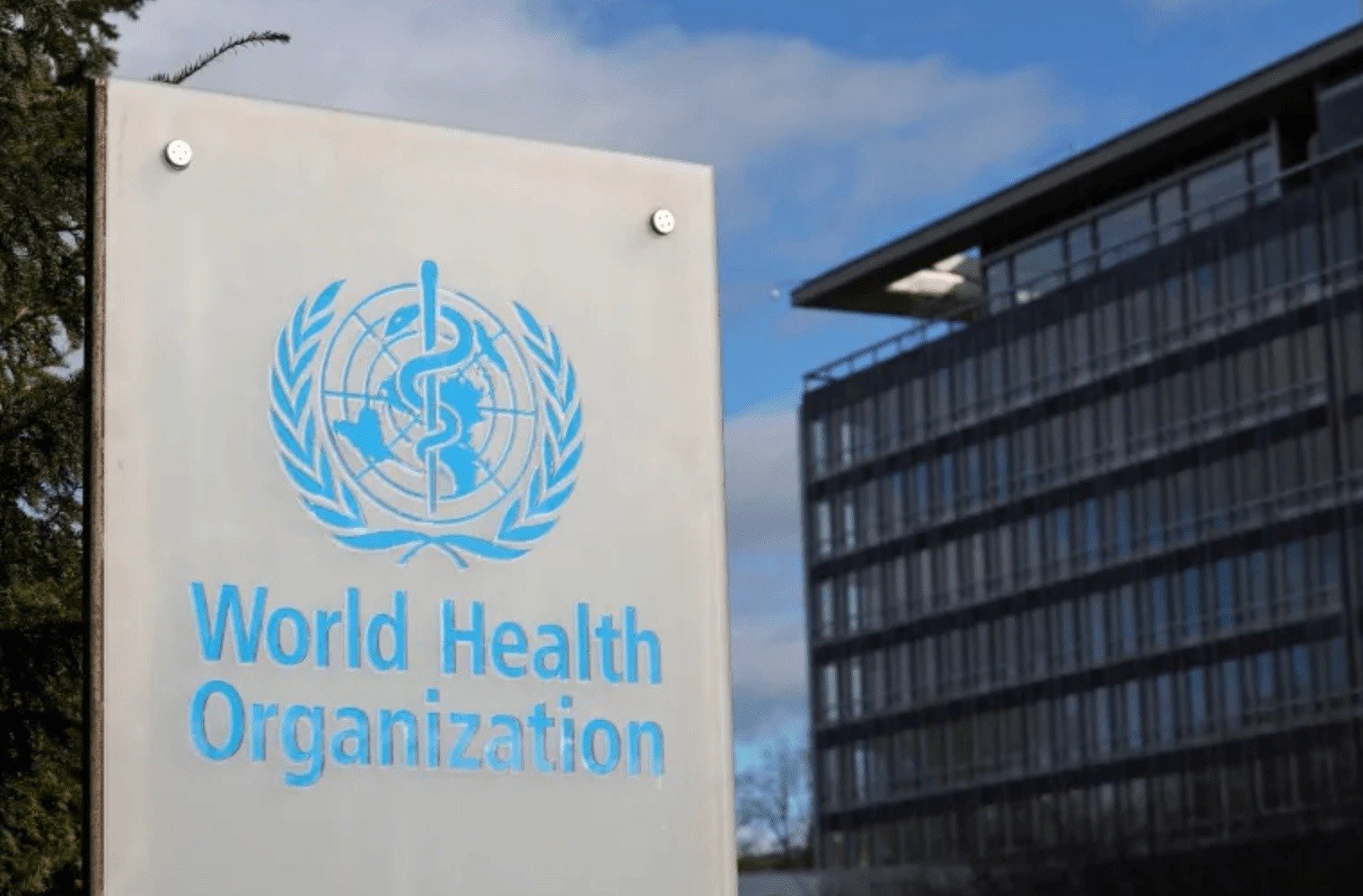
Argentina has officially withdrawn from the World Health Organization, marking a significant shift in the country’s global health alignment.
The decision, confirmed by Foreign Affairs Minister Pablo Quirno, comes one year after the government of President Javier Milei formally notified the agency. As of this week, Argentina has fully severed ties with the WHO.
Milei’s administration has been openly critical of the organization, particularly its role during the COVID-19 pandemic. The president previously described the WHO as a “nefarious organization,” criticizing global health measures like lockdowns, masking, and vaccination campaigns.
Argentina’s move mirrors a similar withdrawal by the United States under President Donald Trump, reflecting a broader push by some governments to distance themselves from international institutions they view as overreaching.
Despite leaving the WHO, Argentina says it will continue international health cooperation through bilateral agreements and regional partnerships, while maintaining full control over its domestic health policies.
The WHO, which currently counts 194 member states, plays a key role in tracking diseases, coordinating global health responses, and supporting healthcare systems worldwide. Its leadership has warned that such withdrawals could weaken global health coordination and preparedness.
Argentina’s exit signals not just a health policy decision — but a wider political stance on sovereignty, global governance, and the role of international organizations moving forward.
Did you like this article?
Did you like this article?
Peru is officially back on the global travel map — and then some. In 2025, the country welcomed a record-breaking 3.4 million international visitors, marking a major post-pandemic comeback and a new era for its tourism industry. But the biggest headline? The surge is...
In a moment that felt like a preview of World Cup fever, Mexico City made history by hosting the largest football class ever recorded. More than 9,500 people filled the iconic Zócalo for a 40-minute массов training session, smashing the previous Guinness World Record...
Feid is entering a defining chapter of his career — and it’s all about identity, control, and evolution. After earning a Grammy nomination for FERXXO VOL X: Sagrado, a fully self-produced album he describes as “overwhelming and stressful,” Feid took a step back to...
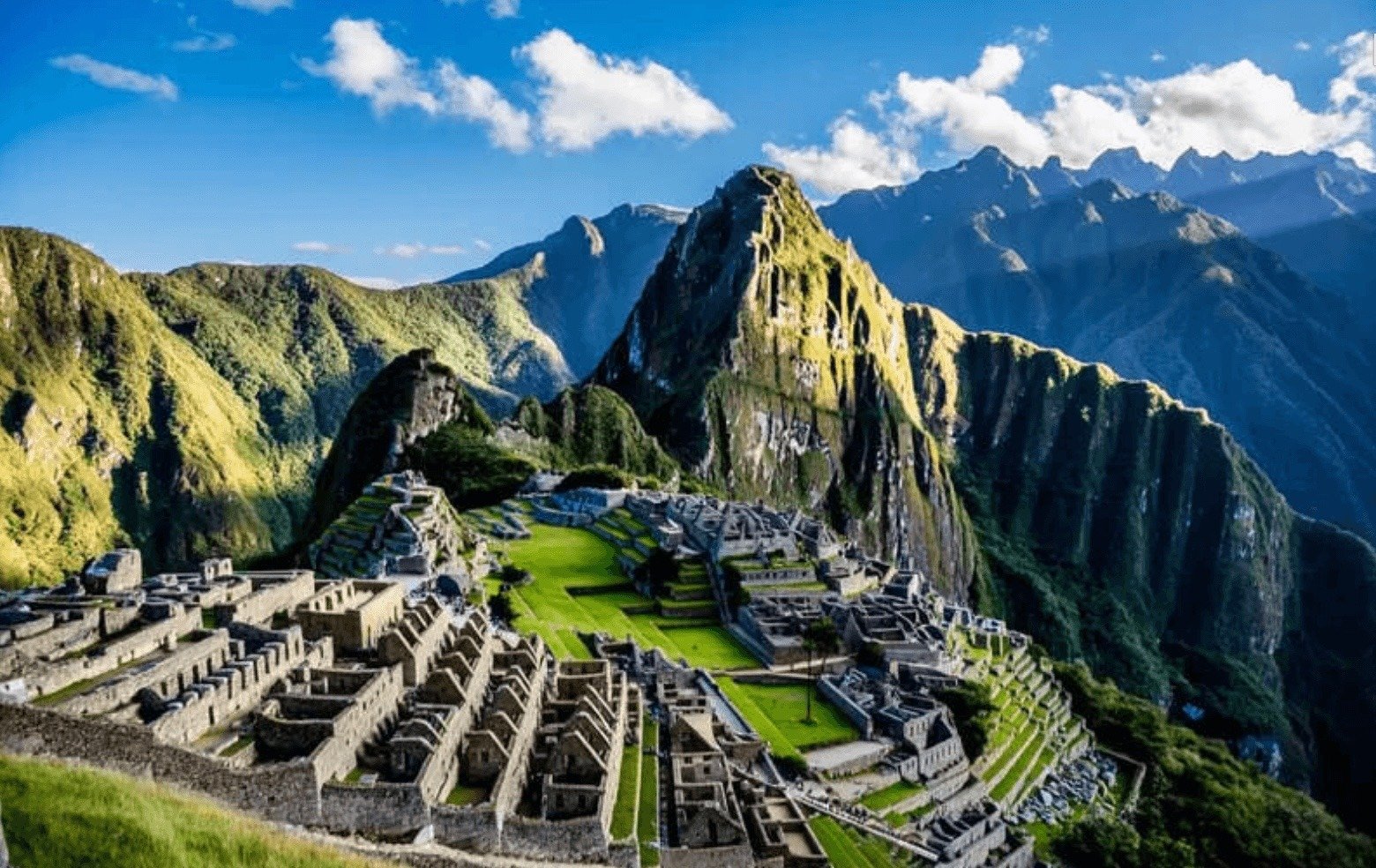
Peru is officially back on the global travel map — and then some. In 2025, the country welcomed a record-breaking 3.4 million international visitors, marking a major post-pandemic comeback and a new...
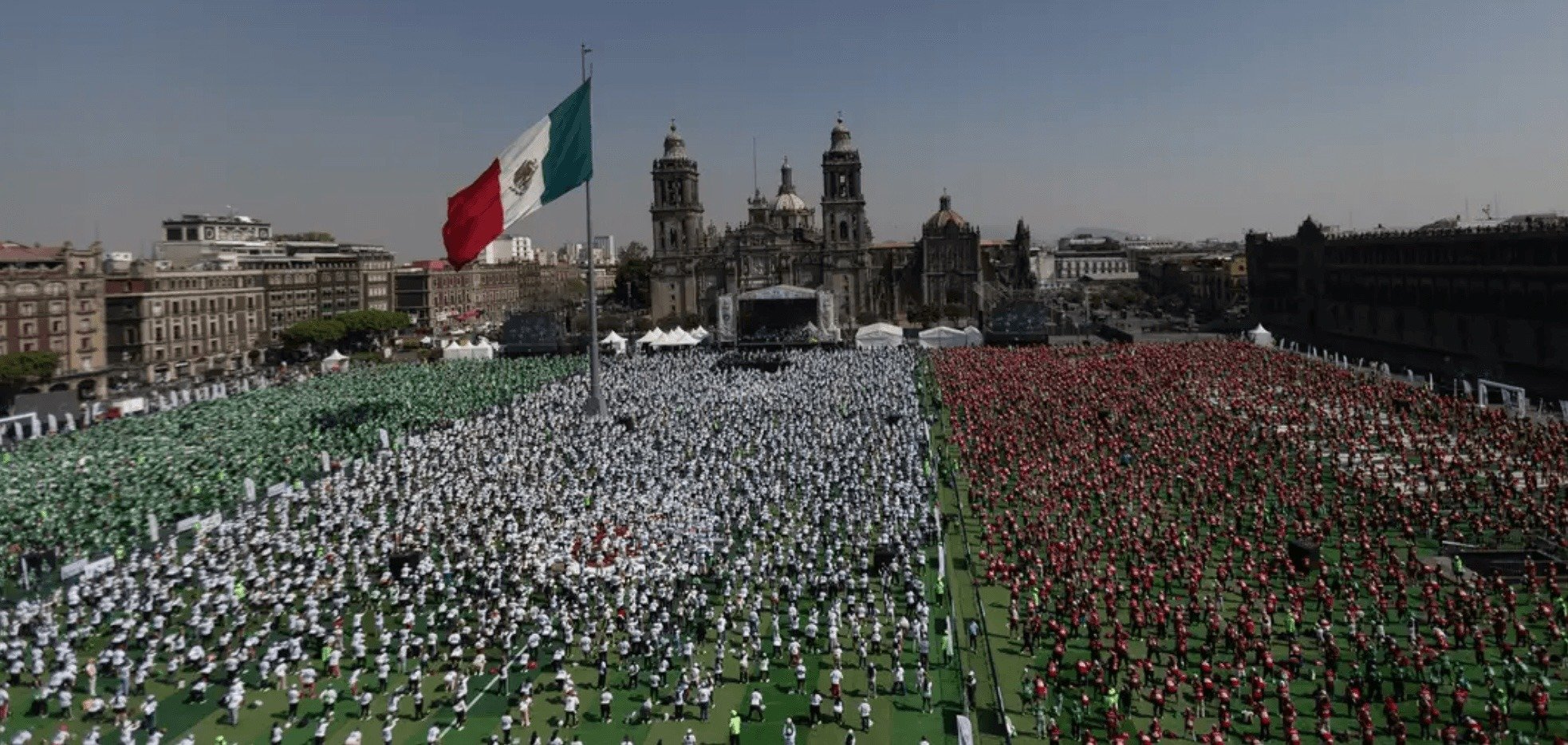
In a moment that felt like a preview of World Cup fever, Mexico City made history by hosting the largest football class ever recorded. More than 9,500 people filled the iconic Zócalo for a 40-minute...
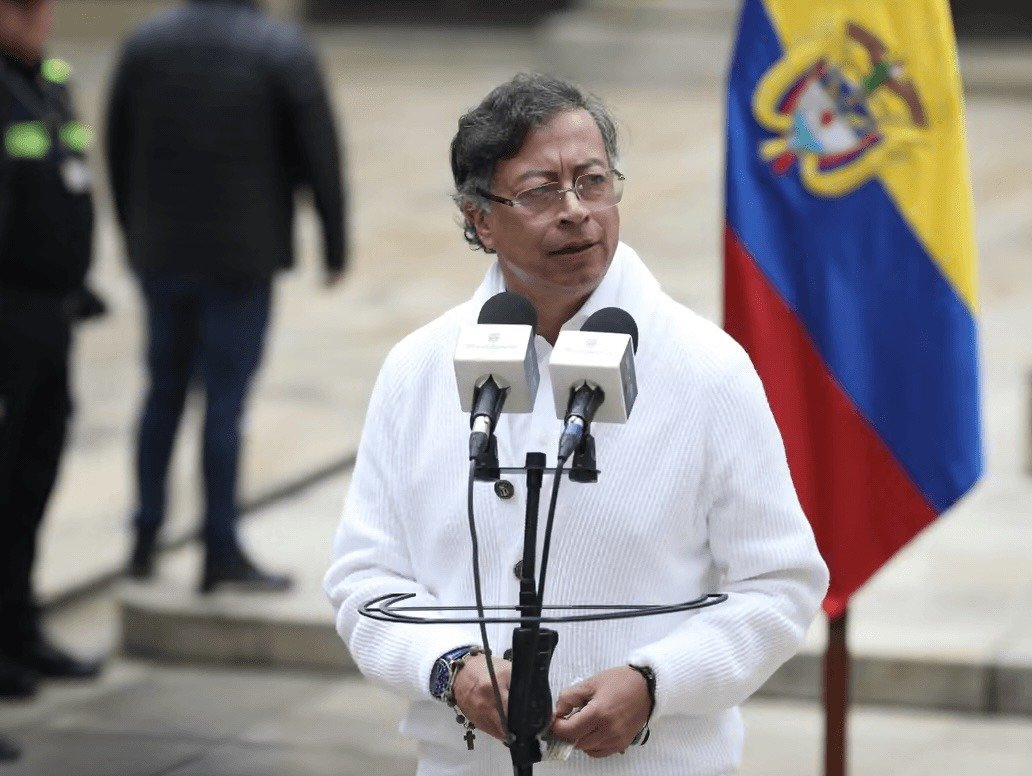
Tensions are rising between Colombia and Ecuador after Colombian President Gustavo Petro accused Ecuador of dropping a bomb near their shared border. Petro shared images of an unexploded device that...


0 Comments